



Swabian, traditionally made for the Thursday before Easter (Gründonnerstag). The popular legend has Cistercian monks at Maulbronn Monastery in the 17th century smuggling meat into pasta to hide it during Lent — earning the nickname Herrgottsbescheißerle ('little God-cheaters'). Whether or not the monastery story is true, the Lenten-meat-disguise function fits the Swabian Catholic calendar.
Swabian, traditionally eaten Gründonnerstag (Maundy Thursday). Legend pins it on Cistercian monks at Maulbronn Monastery hiding meat in pasta during Lent — earning the nickname Herrgottsbescheißerle ('little God-cheaters'). Soaked stale Brötchen in the filling holds water through the simmer; breadcrumbs from a bag absorb broth instead and dry the meat.
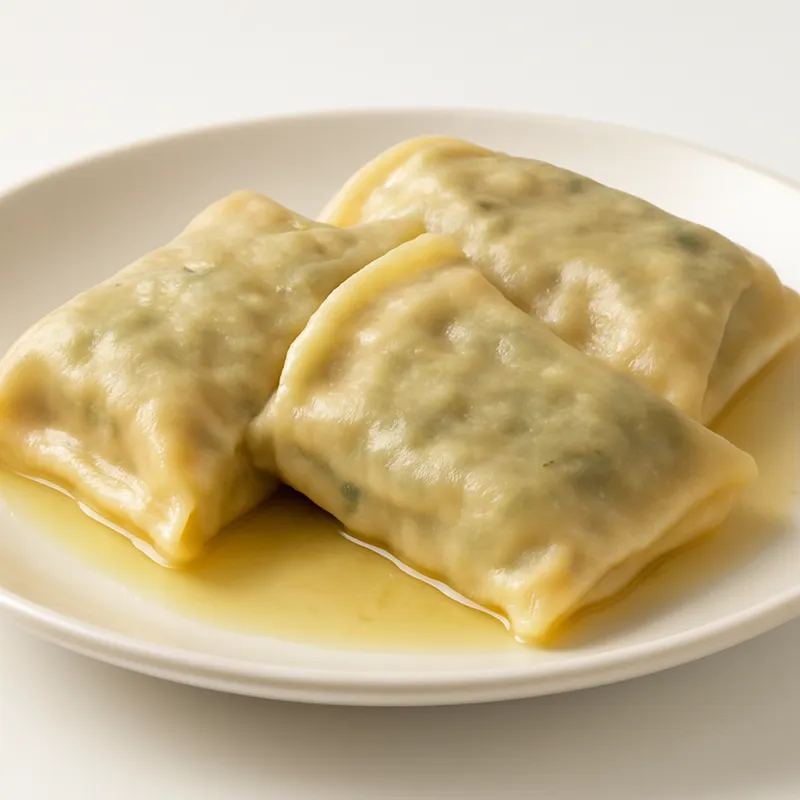
Large square pasta pockets, fist-sized, stuffed with minced meat, soaked stale bread, spinach, and onion, served three ways: in clear broth, sliced and pan-fried with egg, or browned with caramelized onion. Skin is thicker than Italian ravioli — closer to Polish pierogi in chew. The filling shows green from the spinach when cut.
The soaked stale bread (Brötchen, milk-soaked and squeezed) is structural — it holds moisture so the filling stays juicy after a 10-minute simmer. Without it the meat goes dense and dry. Modern shortcut versions use breadcrumbs straight from a bag, which absorb broth instead of releasing it, and the filling tastes like a hamburger patty in a pasta envelope. Dough is rolled thicker than Italian — it has to survive the broth without splitting.
Variations
In der Brühe (in clear broth — Swabian everyday); geschmälzt (sliced and pan-fried with onion and egg); Italian agnolotti del plin is the closest Italian cousin; Polish pierogi z mięsem shares the meat-and-bread filling logic; Maultaschen mit Kartoffelfüllung uses potato instead of meat.
On the Palate
Where Maultaschen sits in the German flavor cloud
Ingredients







How it's made
5 steps · 2 hours
- 127 min
Prepare dough by mixing flour and eggs, then roll it out thinly.
Watch outRoll the dough a shade thicker than Italian pasta — thin enough to eat, sturdy enough to hold together in the broth.
- 216 min
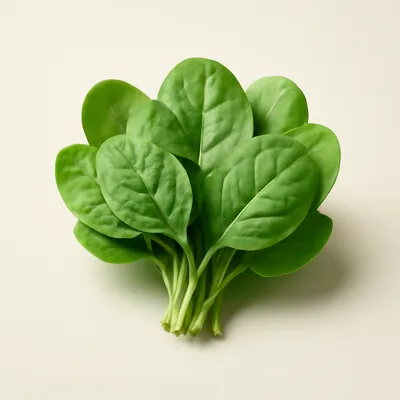
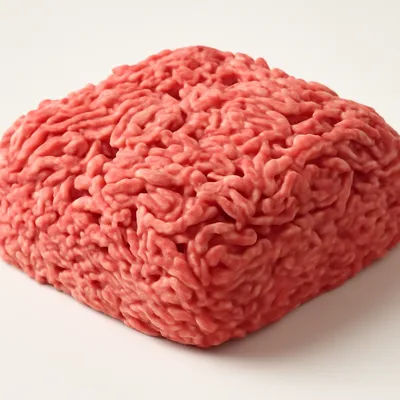
Cook spinach and mix with ground beef, pork, chopped onion, bread crumbs, nutmeg, and parsley.
- 322 min
Cut dough into squares, place filling in the center, and fold over to seal.
Watch outPress the seams flat and airtight so no filling escapes; damp edges weld far better than dry ones.
- 444 min
Boil the Maultaschen in salted water until they float to the surface.
Watch outThey're done when they float and bob at the surface; keep the water at a gentle simmer so they don't split.
- 511 min
Serve with butter and fried onions or in a broth.
Archive tool suggestions — not reviewed
These legacy suggestions have not been evidence-reviewed and are not presented as required tools.