





Rhineland tradition documented from the medieval period, with Cologne and Aachen claiming the oldest forms; legends tie it to Julius Caesar (wine-marinated beef shipped over the Alps to the Roman colony of Cologne) and to Charlemagne (9th c.), with Albertus Magnus credited as a 13th-c. popularizer but written recipes appear from the 14th century onward. The long acid marinade was originally a preservation method for tough or game meat; the gingerbread thickener traces to the Aachen Lebkuchen trade. Each region has a marinade variant — Rhineland sweetest, Franconian drier, Swabian wine-forward.
Rhineland tradition with written recipes from the 14th century onward; legend ties it to Charlemagne but the paper trail starts later. Crushed Lebkuchen as gravy thickener brings molasses, ginger, anise, and crumb body all at once — flour or starch can't replicate it.
A pot roast — usually beef, sometimes horse in older Rhineland versions — that has marinated 3–10 days in red wine vinegar, water, and spices before braising. The meat is dark, sliced thick, sauced with a gravy thickened by crushed Lebkuchen (gingerbread) or raisins. Sweet-sour and deeply spiced, served with potato dumplings and red cabbage. Sunday meal, never weekday.
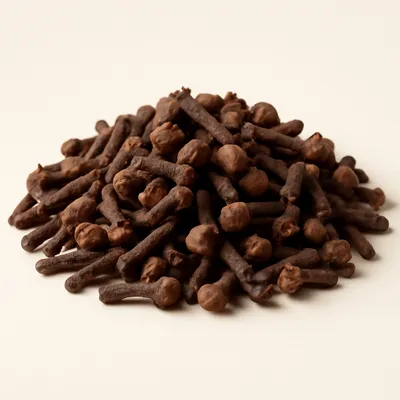
The marinade does two jobs: vinegar denatures surface protein so the braise penetrates faster, and the spices (clove, juniper, bay, black pepper, allspice) embed during the soak rather than just floating in the gravy. Gingerbread as thickener is regional but not interchangeable with flour or starch — it brings molasses, ginger, anise, and crumb body all at once, which is why Rhineland Sauerbraten tastes nothing like a generic pot roast.
Variations
Rheinischer (sweetest, raisins + Lebkuchen, Cologne and Aachen flagships); Fränkischer (drier, no raisins); Schwäbischer (wine-forward, less acid); historic horsemeat version still served at Berliner Schlachthof traditional spots; Sächsischer uses Pumpernickel as thickener.
On the Palate
Where Sauerbraten sits in the German flavor cloud
The marinade is the whole dish: soak the beef in the wine-and-vinegar mix for a full 2-3 days so the acid works its way in and the spices embed, then thicken the braise with crumbled gingerbread — not flour alone — for that molasses-and-spice body a plain pot roast never has.
Ingredients














How it's made
6 steps · 3 days
- 1989 min
Marinate beef in a mixture of red wine, red wine vinegar, sliced onions, carrots, bay leaves, juniper berries, cloves, and black pepper for 2-3 days in the refrigerator.
Watch outMake sure the liquid covers most of the meat and it stays cold — turn it daily so both sides steep evenly over the days.
- 282 min
Remove beef from the marinade and pat dry, reserving the marinade for later use.
- 3132 min
Sear the beef in a hot pan with butter until browned on all sides.
Watch outDon't move the meat until it releases and shows a deep brown crust — that fond is the base of the gravy.
- 42968 min
Add reserved marinade to the pan, bring to a boil, then lower heat and simmer the beef for 2.5 to 3 hours until tender.
Watch outKeep it at a bare simmer, never a rolling boil, for the full 2.5-3 hours until a fork slides in with no resistance.
- 582 min
Remove beef and thicken the sauce with flour and sugar, adding raisins and crumbled gingerbread for sweetness and depth of flavor.
Watch outAdd the gingerbread off the boil and stir until it melts into a smooth, glossy sauce with no lumps.
- 666 min
Slice the beef and serve with the rich, spiced sauce poured over.
Archive tool suggestions — not reviewed
These legacy suggestions have not been evidence-reviewed and are not presented as required tools.


