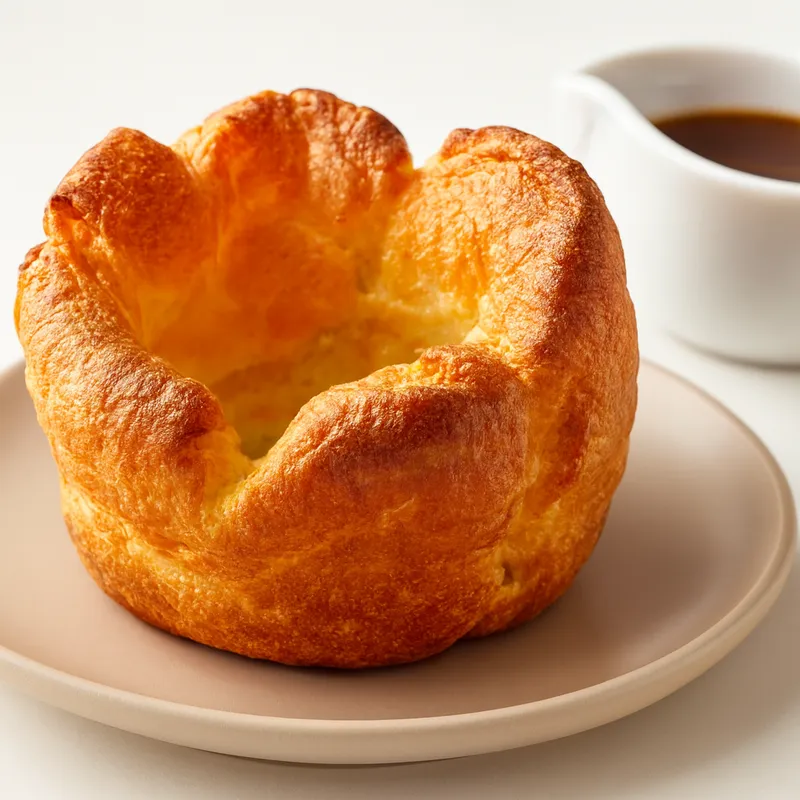




The form was set by the late 1700s in England — Sunday was the day servants and working families had time to roast a joint, and church-going schedules made midday the practical hour. Yorkshire pudding entered the meal in the early 1700s as a way to catch dripping fat and stretch the meat. The whole assembly — meat, potatoes, pudding, gravy, vegetables — became a national fixture by the Victorian era.
Three rituals in one — the joint, the gravy, the Yorkshire pudding. Each rises or falls with the drippings.
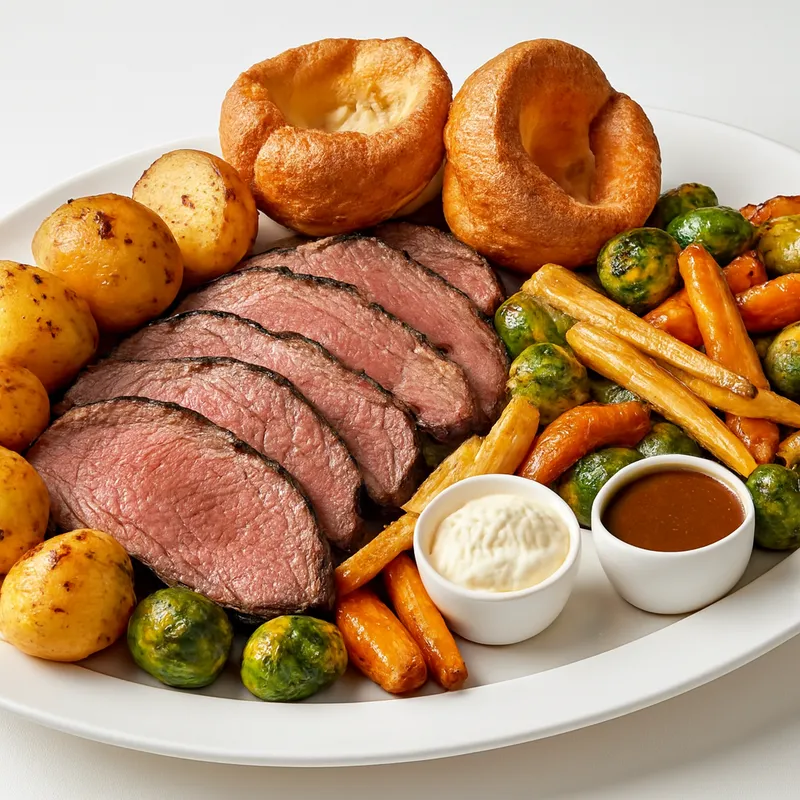
A plate built around a centerpiece roast — beef most often, sometimes lamb, pork, or chicken — sliced pink for beef, alongside roast potatoes that crackle on the outside and collapse to fluff inside, a Yorkshire pudding holding gravy in its cup, roasted carrots and parsnips, peas, and sometimes cabbage or sprouts. Brown gravy poured over everything at the table. Horseradish or mustard on the side. Dry potatoes mean the fat wasn't hot enough.
The roast potato is the difficulty marker. Parboil floury potatoes (Maris Piper, King Edward) until the edges crumble, drain hard, shake them in the colander to rough the surfaces, drop into smoking-hot beef dripping or goose fat at 200 °C, roast 50 minutes turning twice. The roughed surface is what crisps; smooth potatoes stay glossy and soft. Beef gravy is built from the roasting-pan fond — stock-cube gravy is the giveaway of a lazy kitchen.
Variations
Beef gets horseradish, lamb gets mint sauce, pork gets apple sauce; Toad-in-the-hole is the Yorkshire-pudding-meets-sausage version.
On the Palate
Where Sunday Roast sits in the British flavor cloud
Get the roast potatoes right: parboil floury potatoes until the edges crumble, rough them up in the colander, then roast in smoking-hot fat — that shaggy surface is the only thing that crisps.
Ingredients








How it's made
6 steps · 3 hours
- 12 min
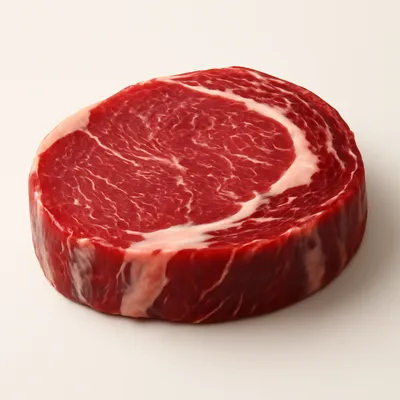
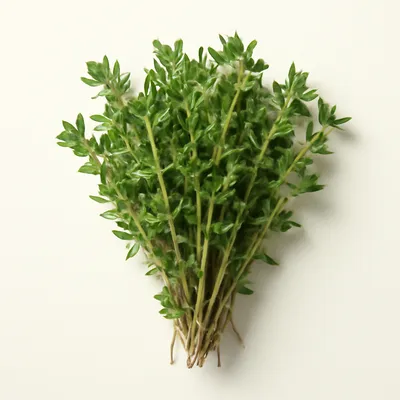
Preheat the oven to 400°F (200°C) and season the beef with salt, pepper, rosemary, and thyme.
- 2120 min
Place the beef in a roasting pan with garlic, onions, carrots, and potatoes, and roast for 1.5 to 2 hours.
Watch outPull the potatoes out with crumbling edges — floury flesh should look sandy, not smooth and wet.
- 32 min
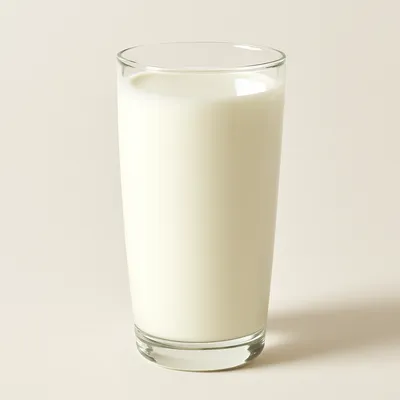
Prepare Yorkshire pudding batter by whisking together eggs, milk, flour, and a pinch of salt.
- 430 min
Remove the beef from the oven and let it rest, while increasing oven temperature to 425°F (220°C) to bake the Yorkshire pudding.
Watch outRest the beef under loose foil while the pudding bakes; the juices need to settle back into the meat before you slice.
- 55 min
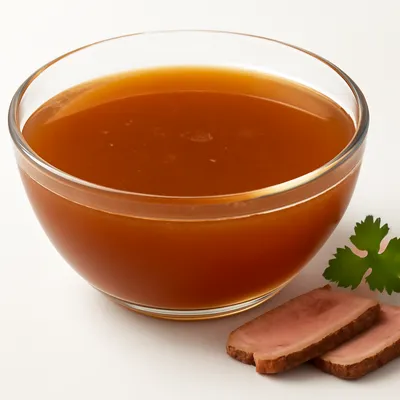
Make gravy by pouring beef broth into the roasting pan, scraping up the browned bits, and thickening with flour and butter.
Watch outThe gravy is done when it coats the back of a spoon and the pan bottom is scraped clean.
- 64 min
Slice the rested beef and serve with roasted vegetables, Yorkshire pudding, and gravy on the side.
Archive tool suggestions — not reviewed
These legacy suggestions have not been evidence-reviewed and are not presented as required tools.