

The name was coined as a marketing campaign by the English Country Cheese Council in the 1960s to sell more cheese in pubs, drawing on the older idea of an agricultural worker's cold midday meal. Cheese-and-bread lunches for field labour go back centuries, but the formalized "ploughman's" on a pub menu is a postwar invention. The Branston pickle pairing dates from the brand's launch in 1922.
Pub assemblage marketed by the Cheese Bureau in the 1950s — bread, cheddar, pickle (Branston is the canonical), pickled onion, ham, hard-boiled egg, apple. The 'farmer's lunch since medieval times' story is post-war copywriting; the components are older but the plate name is not.
A wooden board: a wedge of sharp cheddar (Westcombe, Montgomery, or Keen's if the pub's serious), crusty bread, pickled onions, Branston pickle (sweet-sour-chunky), a slice of cold ham or pork pie, an apple, a hunk of butter. No cooking — assembly. Eaten with hands and a knife, with a pint of bitter. The cheese should be at room temperature; cold cheddar from the fridge is a sign the kitchen didn't think.
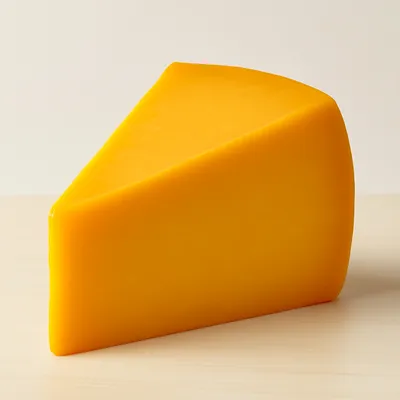
The whole point is unpasteurized British farmhouse cheddar — a clothbound, aged, crumbly cheese that tastes nothing like the rubbery industrial block. The Branston pickle is the second load-bearing item: malt vinegar, swede, carrot, dates, cauliflower in a brown spice paste. Without it, the board is just cheese and bread; with it, the sweet-sour cuts the fat.
Variations
Cheddar with Branston (canonical); Stilton with port-soaked pear; ploughman's with pork pie (Melton Mowbray); Welsh version uses Caerphilly; Irish version subs in soda bread and Cashel Blue; modern gastropub adds chutney and rare-breed ham.
On the Palate
Where Ploughman's Lunch sits in the British flavor cloud
This is an assembly, not a recipe, so the two load-bearing items must be right: a real clothbound aged farmhouse cheddar (crumbly and tangy, not the rubbery block) and a proper Branston-style brown pickle whose malt-vinegar sweet-sour cuts the fat — get those two and the bread, apple, and onion just fill out the board.
Ingredients
How it's made
4 steps · 10 min
- 12 min
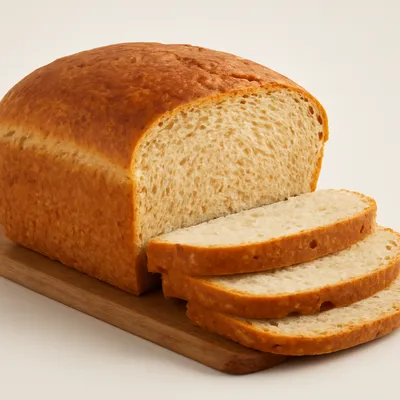
Slice the crusty bread into thick, hearty pieces and arrange them on a large wooden board or platter. The aroma of fresh bread should fill the air.
- 22 min
Cut the Cheddar cheese into generous wedges, placing them beside the bread. The cheese should be rich and inviting, with a slight tang.
Watch outCut generous wedges and look for a crumbly, slightly moist edge — that's aged farmhouse cheddar, not the plastic-smooth block.
- 33 min
Add a selection of pickles and fresh, crisp apple slices to the board. The pickles should be tangy, and the apple should provide a refreshing crunch.
Watch outSlice the apple just before serving so the flesh stays white and crisp instead of browning.
- 43 min
Peel and slice a fresh onion, adding it to the platter. The onion should be sharp and fragrant, complementing the cheese and bread.
Watch outSlice the onion thin and raw-sharp; a few slivers are enough to accent, not overwhelm, the cheese.
Archive tool suggestions — not reviewed
These legacy suggestions have not been evidence-reviewed and are not presented as required tools.