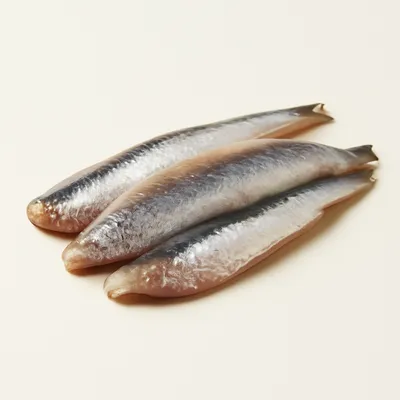
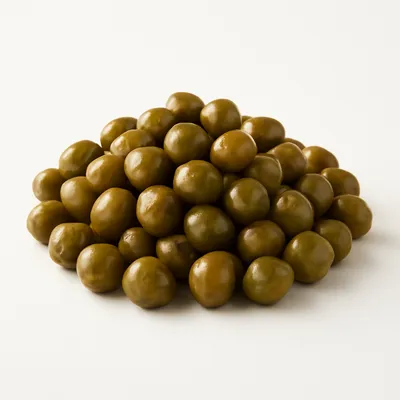
A breaded veal cutlet crowned with a fried egg and finished with anchovy fillets and capers — the salt-and-richness combination that sets it apart from a plain or Jäger Schnitzel. The runny yolk acts as a sauce over the crisp cutlet, while the anchovy and capers cut through with sharp, briny salt. It is named after the Prussian statesman Friedrich von Holstein, a noted gourmet, and was conceived as a way to pile several luxuries onto one plate. A north-German restaurant classic, more refined than its everyday schnitzel cousins.




The dish is named for Baron Friedrich von Holstein (1837–1909), the powerful Prussian Foreign Office official often called the 'grey eminence' of German diplomacy after Bismarck. By the most-repeated account it was created in the late 19th century at a Berlin restaurant to suit Holstein's taste for many delicacies on a single plate; the original is said to have ringed the egg-topped cutlet with caviar, crayfish, smoked salmon, truffle, and mushrooms, pared down over time to the egg, anchovy, and capers known today. The exact restaurant and date vary between tellings and are not firmly documented. The dish carries the name of the Schleswig-Holstein region and entered the northern German repertoire as its enduring elaborate schnitzel.
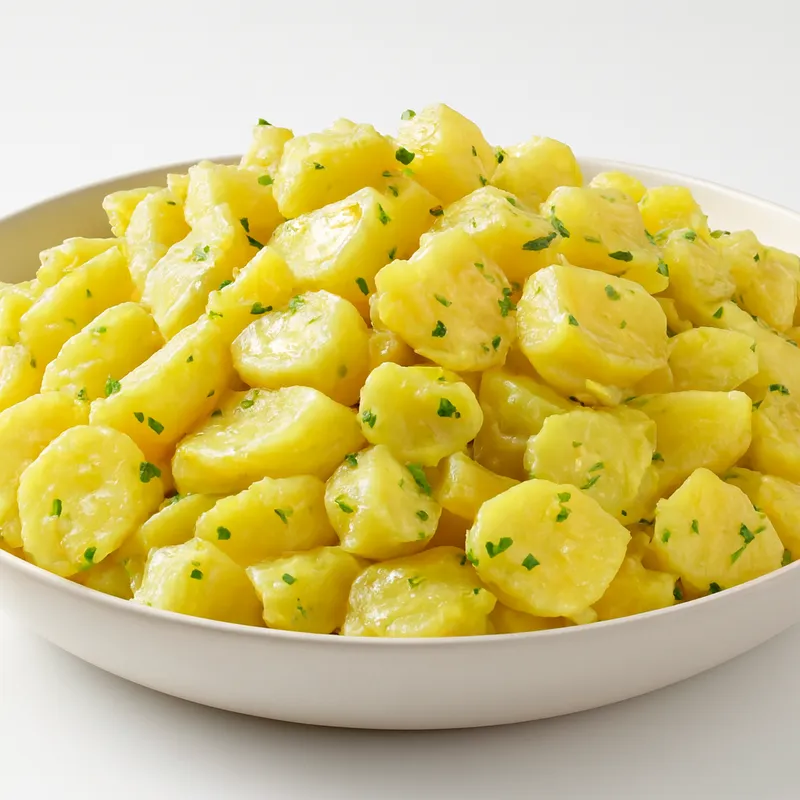
A thin veal cutlet fried to a crisp, golden, slightly puffed crust, with a fried egg laid over it and the yolk left runny. The first cut breaks the yolk so it floods the breading like a sauce. Across the top, salty anchovy fillets and sharp, vinegary capers provide the contrast — without them it would simply be rich. The whole thing is a study in salt against fat: crisp breading, soft veal, silky yolk, briny anchovy. Lemon and parsley potatoes on the side keep it from cloying.
The cutlet is pounded thin and breaded the standard schnitzel way — flour, egg, breadcrumb — and shallow-fried in hot fat so the crust crisps before the thin veal overcooks. The egg is fried separately and slid on top with the yolk soft, because the yolk is meant to function as the sauce: there is no gravy on a Holsteiner. The anchovy and capers are not garnish but seasoning — they supply the salt and acid that a plain schnitzel gets from lemon, here built into the dish. Timing matters: the cutlet, egg, and warm plate must come together at once so nothing goes cold or the yolk sets.
Variations
The luxurious original sometimes reappears in fine-dining versions with caviar, smoked salmon, or crayfish restored around the plate. Everyday versions use pork instead of veal, though purists insist on veal. The egg may be fried sunny-side up or, less traditionally, basted firmer. It is distinct from Jägerschnitzel (mushroom-cream sauce) and from a plain breaded schnitzel — the egg-anchovy-caper trio is what makes it Holsteiner.
On the Palate
Where Holsteiner Schnitzel sits in the German flavor cloud
Ingredients
Serves 2
How it's made
7 steps · 25 min active + 5 min waiting
- 16 min
Pound the veal cutlets thin between sheets of plastic, then season with salt and pepper.
- 25 min
Dredge each cutlet in flour, then beaten egg, then breadcrumbs, pressing lightly to coat.
- 38 min
Shallow-fry the cutlets in hot fat over medium-high heat until golden and crisp on both sides; keep warm.
Watch outShallow-fry in genuinely hot fat so the crust crisps golden before the thin veal overcooks — cool fat leaves it greasy and the meat tough.
- 44 min
Fry the eggs separately in butter, leaving the yolks runny.
Watch outFry the eggs separately and keep the yolks runny — the soft yolk is the sauce on a Holsteiner, so a set yolk leaves the dish dry.
- 51 min
Lay one fried egg over each cutlet.
- 61 min
Arrange anchovy fillets and capers over the egg and cutlet.
- 71 min
Serve immediately with lemon and parsley potatoes.
Archive tool suggestions — not reviewed
These legacy suggestions have not been evidence-reviewed and are not presented as required tools.