A homely Swabian baked pudding built from day-old bread rolls, apples and raisins bound in a sweet egg-and-milk custard, baked until the top turns golden and the inside sets soft and moist. It is classic thrift cooking — a way to use up stale Brötchen and a few apples — and is served warm, dusted with sugar and flooded with vanilla sauce. In Bavaria a close cousin goes by the grimmer name Scheiterhaufen, 'funeral pyre,' for its stacked layers.
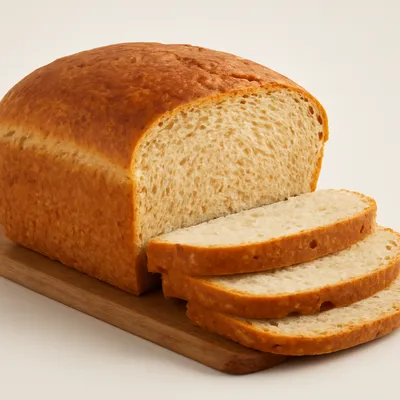



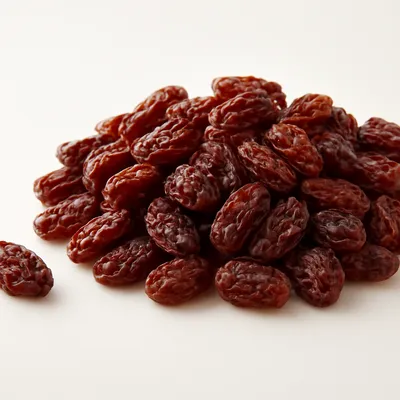

A piece of southern German peasant frugality, long classed as Arme-Leute-Essen, 'poor people's food.' Before sliced loaves and refrigeration, bread went stale fast and nothing was thrown away; the standard rescue was to soak the dry crumb in milk and egg, layer it with whatever fruit was to hand — usually apples and a handful of raisins — and bake it into a sweet that fed a family cheaply. The Swabian name describes the dish slipping ('schlupfen') in the oven ('Ofen'). The same idea recurs across the region under different names, most pointedly the Bavarian Scheiterhaufen, named for its woodpile-like layering of bread slices.
Soft, spoonable and bread-puddingy: custard-soaked roll going tender at the edges where it caught colour, studded with slippery raisins and wedges of apple that have gone jammy in the heat. Sweet but not cloying, warmly spiced with cinnamon, the contrast of the crisp sugared top against the moist middle. Best eaten hot, half-drowned in cold or warm vanilla sauce, the two temperatures playing off each other.
The whole thing rests on a custard set. Stale rolls are essential, not a compromise: dry crumb drinks up the milk-and-egg mixture and holds its structure, where fresh bread would turn to mush. The soaked bread is layered with sliced apple and raisins, then the egg-rich custard fills the gaps and, as it bakes, coagulates around everything to bind the pudding into a sliceable whole. A moderate oven sets the egg gently without scrambling it; butter and a sugar topping caramelise the surface. The apples soften and release their pectin and acidity, cutting the richness of the custard.
Variations
Cooks differ on whether the bread is sliced and layered or torn into chunks and stirred through. Common additions are toasted almonds on top, a splash of rum on the raisins, lemon zest, or a little quark folded into the custard for tang. Pears or plums sometimes stand in for apples. The Bavarian Scheiterhaufen is essentially the same pudding under another name, usually built in distinct stacked layers and meringue-topped in some versions.
On the Palate
Where Ofenschlupfer sits in the German flavor cloud
Ingredients
Serves 4
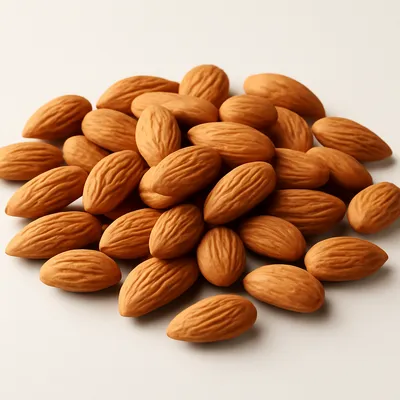
How it's made
6 steps · 50 min
- 115 min
Slice day-old bread rolls and butter an ovenproof dish; peel and slice the apples, soak the raisins briefly in warm water or rum.
Watch outUse day-old, dry rolls, not fresh — dry crumb drinks up the custard and holds its shape; fresh bread collapses into mush.
- 25 min
Whisk eggs, milk, sugar, cinnamon and a little lemon zest into a custard.
- 35 min
Layer the bread, apple slices and raisins in the dish.
- 415 min
Pour the custard evenly over the top and let it soak in for about 15 minutes.
- 540 min
Dot with butter, sprinkle with sugar and flaked almonds, and bake at 180°C until golden and set, about 40 minutes.
Watch outBake at a moderate 180 degrees until golden and just set — gentle heat coagulates the custard smoothly; too hot and the egg scrambles.
- 62 min
Dust with sugar and serve warm with vanilla sauce.
Archive tool suggestions — not reviewed
These legacy suggestions have not been evidence-reviewed and are not presented as required tools.


