A Huelva and Cádiz tapa of cuttlefish (choco) cut into strips or pieces, dredged Andalusian-style in fine wheat-and-chickpea frying flour, and deep-fried fast in hot olive oil, served simply with lemon. It belongs to the pescaíto frito tradition of the Atlantic coast — the fried-seafood culture of Andalusia — and is eaten hot off a shared plate with the fingers. Unlike the long-stewed choco con habas, this is a quick, crisp fry that keeps the cuttlefish white and springy inside.




Huelva, on Spain's Atlantic southwest, is the choco capital — its cuttlefish (the local name for Sepia officinalis, here the smaller, sweeter Gulf of Cádiz animal) is so central to local identity that Huelva natives are themselves nicknamed choqueros, with the saying 'more from Huelva than a choco'. The Gulf of Cádiz, the stretch of coast between the Guadiana and Guadalquivir rivers, is its main fishing ground. Frying it is the everyday counterpart to stewing it: across Huelva and Cádiz the freiduría (frying shop) and bar serve choco cut into strips, floured and fried, as part of the broader pescaíto frito tradition — the Andalusian craft of dredging seafood in flour and frying it in hot olive oil. The exact date the fried tapa took its current form is unrecorded; it is folk frying-shop and home food rather than a dated restaurant dish.
A thin, pale-gold crust that shatters crisp, giving way to cuttlefish flesh that is white and tender-springy inside — never the rubber of a fish cooked wrong. The flour coat is barely there, just enough to crackle; the cuttlefish itself reads clean, faintly sweet and briny. Salt and a hard squeeze of lemon are the whole dressing. Eaten hot with the fingers off a shared plate — let it cool and the crust goes soft and the flesh tightens.
Two things make it work. The coat is the enharinado a la andaluza: the pieces are dried, dredged in fine wheat-and-chickpea frying flour, and the excess is shaken off, so only a whisper-thin layer remains. Chickpea flour browns and crisps more sharply than wheat alone, and a thin coat into very hot olive oil (≈180°C) sets a crust in a flash without soaking up grease. The second is the cuttlefish itself, which has a tenderness curve rather than a doneness point: its collagen-rich muscle goes rubbery in the middle 'danger zone' of cooking, so it must be cooked either very fast and hot or very slow. A brief, hot fry — about two minutes — cooks the flesh before the muscle fibres can fully contract and squeeze out moisture, keeping it springy and white. This is the exact opposite exploitation of the same curve to the slow-stewed choco con habas, where 35-plus minutes of gentle simmer melts that collagen into gelatin and turns the cuttlefish silky from the other direction.
Variations
Cuttlefish strips (chocos en tiras) are the freiduría standard; whole small chocos may also be fried. Beyond frying, choco a la plancha (griddled) and the Huelva choco a la brasa (charcoal-grilled) treat the same animal with dry heat. Two distinctions matter: it is not choco con habas, which is the very same cuttlefish but slow-stewed with broad beans — the opposite technique on the same tenderness curve; and it is not calamares fritos or rabas, which are fried squid (calamar), a different cephalopod that is softer and less salty than cuttlefish. It also sits apart from the finfish fries of the same tradition — boquerones fritos (anchovies), cazón en adobo (marinated dogfish) and mixed pescaíto frito — which are fish, not cephalopods.
On the Palate
Where Choco Frito sits in the Spanish flavor cloud
Ingredients
Serves 4How it's made
5 steps · 20 min
- 18 min
Clean the cuttlefish and cut it into strips or bite-sized pieces; pat thoroughly dry.
- 23 min
Dredge the pieces in fine frying flour (a wheat-and-chickpea blend), then shake off all the excess so only a thin coat remains.
Watch outDredge in the flour and shake off every bit of excess so only a whisper-thin coat remains — a thick coat goes soggy and greasy instead of crisp.
- 33 min
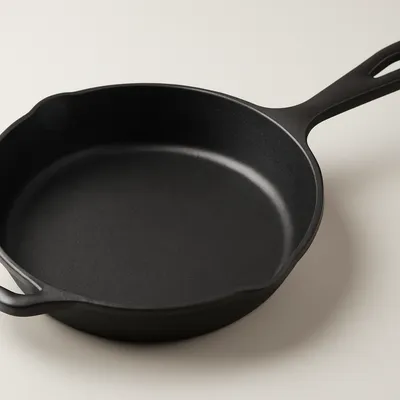
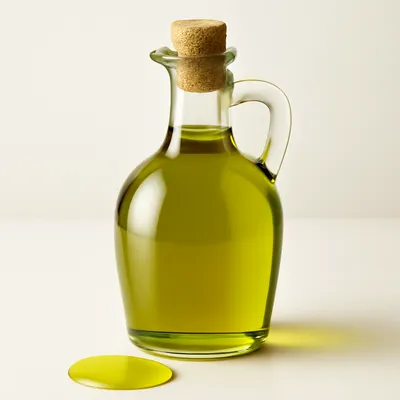
Heat plenty of olive oil to about 180°C — hot enough that a piece sizzles vigorously on contact.
- 44 min
Fry the cuttlefish in small batches for about two minutes, until the crust is pale gold and crisp; do not crowd the oil or let it cook slowly.
Watch outFry hot and fast, two minutes tops, in small batches — cuttlefish goes rubbery in the middle 'danger zone,' so either flash it hot or it toughens.
- 52 min
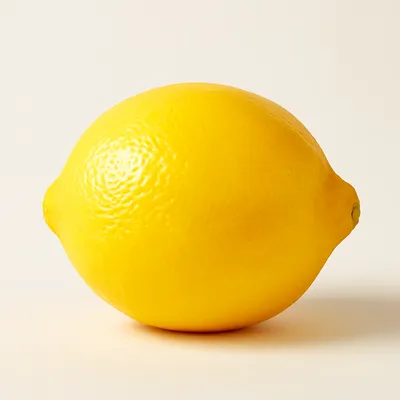
Lift onto a rack or paper to drain, salt at once, and serve hot with lemon wedges.
Archive tool suggestions — not reviewed
These legacy suggestions have not been evidence-reviewed and are not presented as required tools.