'Pasta e fasule', the Neapolitan pasta and beans: cannellini simmered soft, then odds-and-ends of mixed pasta cooked straight in the beans until the pot turns thick, starchy and creamy. So dense it barely counts as a soup, this is cucina povera at its most comforting, dressed with nothing more than raw olive oil and black pepper and famously better the next day.

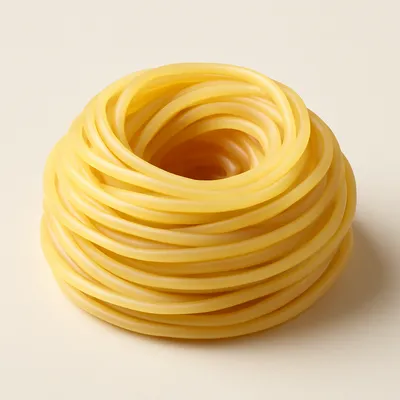


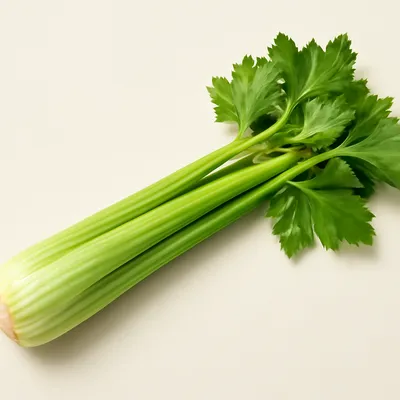

Pasta e fagioli is common across central and southern Italy, but the Neapolitan cook has a defining trick: instead of boiling the pasta apart, it is cooked directly in the beans so all the starch stays in the pot and binds it into the thick, glossy mass locals prize as 'azzeccosa'. The pasta was traditionally 'pasta mista', the broken ends and mismatched shapes from the bottom of the sack, and the beans are usually cannellini. Pork rind (cotiche) or mussels (cozze) are classic enrichments, and the dish keeps and thickens so well it is often better the following day.
Spoon-thick and clinging, the pasta soft and swollen, the beans half-whole and half-melted into a velvety base; it tastes deeply of beans and good oil, warm and starchy and plain in the best way, with black pepper lifting each mouthful.
The creaminess is pure starch management: cooking the pasta in the bean liquid, rather than in water that gets thrown away, keeps the amylose that gelatinises off its surface in the pot, thickening everything. Mashing part of the beans breaks their starch-filled cells for more body, while their soluble fibre and the gelatin from any pork rind make the liquid cling. As the pot cools and is reheated, the gelatinised starch retrogrades and sets firmer, which is why a day-old pot is thicker and, to many, tastier.
Variations
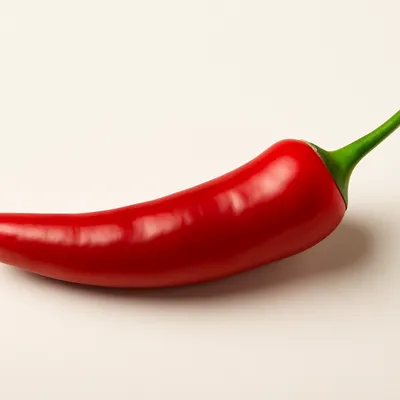
Beyond plain cannellini, cooks use borlotti or fresh 'spollichini' beans; the pasta may be true pasta mista or broken tubes and tagliatelle. Common enrichments are cotiche (pork rind), a ham bone, or, on the coast, mussels and clams for a 'pasta e fagioli con le cozze'. A crushed tomato or two, a rib of celery, garlic and chilli make up the usual soffritto, and some finish with rosemary.
On the Palate
Where Pasta e Fagioli alla Napoletana sits in the Italian flavor cloud
Ingredients
Serves 4

How it's made
8 steps · 15 min
- 1480 min
Soak the dried cannellini beans in plenty of cold water overnight, at least 8 hours, then drain.
- 28 min
In a heavy pot, gently fry the garlic, celery and chilli in olive oil, then add a couple of crushed tomatoes.
- 360 min
Add the drained beans with a bay leaf and enough water to cover well, and simmer gently until very soft, about 1 hour, salting near the end.
- 45 min
Scoop out a ladleful of beans, mash or blend them, and stir back in to thicken the liquid, leaving the rest whole.
Watch outMash part of the beans and stir them back in — breaking those starch-filled cells is what gives the pot its creamy body.
- 52 min
Add the mixed pasta directly to the simmering beans, topping up with a little hot water if needed.
- 613 min
Cook the pasta in the beans, stirring often so the released starch turns everything thick and creamy, about 12 to 14 minutes.
Watch outCook the pasta right in the beans, stirring often, so the released starch thickens everything to a spoon-coating cream — about 12 to 14 minutes.
- 75 min
Turn off the heat and let it rest a few minutes; it should be dense enough to hold the shape of a spoon.
- 83 min
Serve warm with a thread of raw olive oil and plenty of black pepper.


