
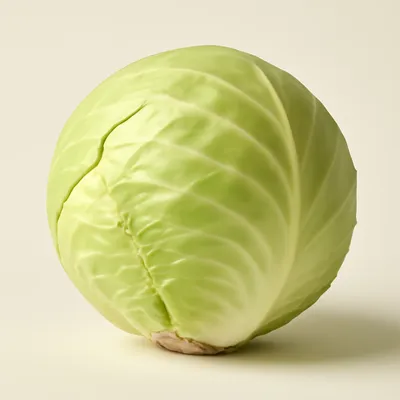
Kaki furai is a Japanese yoshoku (Western-style) dish of shucked oysters dredged in flour, egg, and panko, then deep-fried into plump golden morsels with a creamy interior. A winter specialty made when oysters are at their seasonal peak, it most often uses oysters from Hiroshima, which produces the majority of Japan's farmed oysters. It is typically served as a teishoku set with a mound of shredded raw cabbage, a lemon wedge, tartar sauce, steamed rice, and miso soup. The crisp coating is the foil to the soft, briny oyster sealed inside.



Kaki furai belongs to the family of panko-fried yoshoku dishes (alongside tonkatsu and ebi furai) that took shape in Meiji-era Japan as Western cooking was adapted to local tastes; no single inventor is documented. A recipe using wheat flour, egg, and breadcrumbs appeared as early as October 1893 in the home-cooking column 'Nani ni shiyo ko' of the newspaper Jiji Shimpo, and the Western-style restaurant Rengatei in Tokyo's Ginza — founded in 1895 and credited with popularizing several yoshoku dishes — is said to have carried fried oysters on its menu by around 1901. For decades it remained a restaurant dish before spreading into the home kitchen. Its identity is tied to Hiroshima, where oyster farming dates back centuries and which today supplies most of the country's farmed oysters.
The first bite shatters through a coarse, dry panko crust into a soft, almost custardy oyster that releases a warm gush of briny-sweet liquor. Eaten fresh from the oil it is creamy and just-set inside, the sea-mineral sweetness lifted by a squeeze of lemon and cooled by the crunchy raw cabbage; tartar sauce adds tang and richness. Done badly the oyster overcooks into a rubbery, shrunken nub in a grease-soaked jacket, or weeps liquid that turns the crust soggy and sharp-tasting.
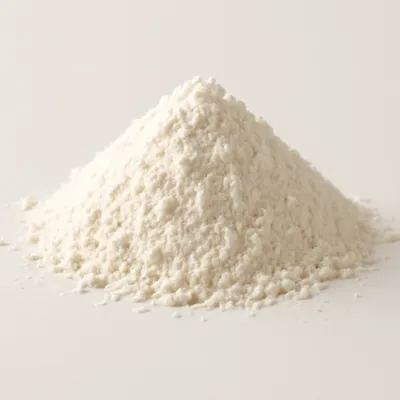
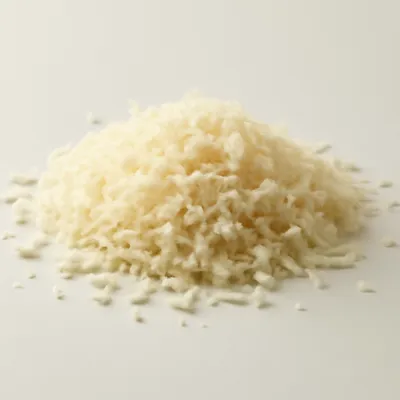
Panko is the point. Made from crustless white bread torn into long, open flakes, it forms an airy, porous shell that absorbs less oil than fine Western breadcrumbs and stays crisp longer. The real work, though, is done by the coating as a seal: the flour-and-egg layer glues the panko on and forms a barrier around the oyster, so the oyster's own liquor is trapped rather than leaking into the oil. Insulated by that shell, the trapped moisture turns to steam and cooks the flesh gently from within, keeping it plump and creamy instead of letting it shrink and toughen. Oysters set very fast, so the window is short — roughly 2 to 3 minutes at 170–180°C (oils run a touch lower, near 175°C, for smaller oysters); too long and the proteins contract into a rubbery knot. The surface browns by the Maillard reaction between the egg/flour and the bread's starches and sugars, giving the golden colour and toasted aroma. Patting the shucked oysters thoroughly dry first is essential: surface water would steam at the crust, blocking crisping and making the oil spit.
Variations
Ebi furai (panko-fried prawns) and tonkatsu (pork cutlet) are its closest yoshoku siblings, sharing the flour-egg-panko method and the cabbage-and-sauce plating; mixed furai platters combine them. Some cooks dress the oysters with Worcester-style sauce or lemon instead of tartar. Kaki furai also appears stuffed into a sandwich as a kaki fry sando. A white-coated version was promoted by Hiroshima Prefecture in 2019. Beyond the deep-fried style, oysters are also enjoyed raw, grilled in the shell, or simmered in the hot pot kaki no dotenabe.
On the Palate
Where Kaki Furai sits in the Japanese flavor cloud
Ingredients
Serves 2


How it's made
9 steps · 20 min active + 5 min waiting
- 15 min
Shuck the oysters (or use shucked oysters); gently swish them in lightly salted water or grated daikon to clean the frills, then rinse and drain.
- 23 min
Pat the oysters thoroughly dry with paper towels, pressing lightly to draw water from the folds; season with a little salt and pepper.
Watch outPat the oysters bone-dry, pressing the water from the folds — surface moisture keeps the coating from gripping and it slides off in the oil.
- 35 min
Set up three trays: flour, beaten egg, and panko. Coat each oyster in flour, then egg, then press generously into panko to form an even shell.
- 44 min
Optionally chill the breaded oysters for a few minutes so the coating sets firmly onto the flesh.
- 52 min
Heat oil to 170–180°C. Fry the oysters in small batches so the temperature does not drop sharply.
Watch outHold the oil at 170-180C and fry in small batches — crowding drops the temperature and the crust soaks up oil instead of crisping.
- 63 min
Fry for about 2 to 3 minutes until the crust is golden and crisp; do not overcook, or the oysters will shrink and toughen.
Watch outPull them at golden after just 2-3 minutes — the oyster's already cooking in its own trapped steam, and overfrying shrinks it tough.
- 71 min
Lift out and drain on a rack or paper towel.
- 84 min
Make tartar sauce by mixing mayonnaise with chopped boiled egg, onion, pickles or capers, and lemon juice.
- 92 min
Plate with a mound of shredded raw cabbage, a lemon wedge, and tartar sauce; serve hot as a set with rice and miso soup.
Archive tool suggestions — not reviewed
These legacy suggestions have not been evidence-reviewed and are not presented as required tools.



