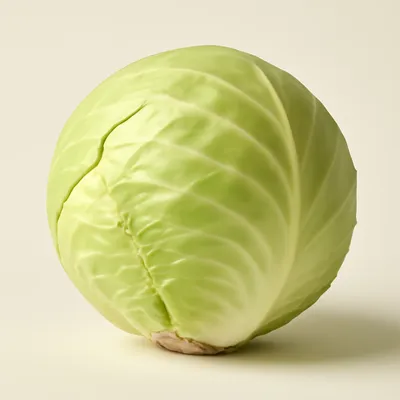
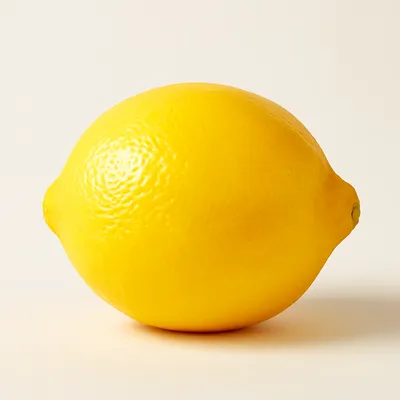
Ebi furai is a yoshoku (Western-style Japanese) dish of prawns breaded in coarse panko and deep-fried until pale gold and shatteringly crisp. The prawns are peeled to the tail, deveined, and the underside scored or gently pressed straight so they fry into a long, straight shape rather than curling. They are floured, dipped in beaten egg, and rolled in panko, then fried at around 170 to 180°C. Ebi furai is served with shredded raw cabbage and a wedge of lemon, with tartar sauce and/or thick tonkatsu (Worcester-style) sauce alongside, typically as a teishoku set with rice and miso soup, or as a starter.



Ebi furai belongs to yoshoku, the body of Western-influenced Japanese cooking that took shape in the Meiji era, developing alongside dishes such as tonkatsu and korokke; references to fried prawns appear in Japanese writing from the mid-Meiji period. It is widely associated with Nagoya (Aichi Prefecture), but it is not a Nagoya invention and is eaten nationwide. That association is generally traced to a televised remark by the entertainer Tamori in the 1980s mocking the Nagoya accent, which the public misread as praise for the city's fried prawns; restaurants leaned into the trend and ebi furai became one of Nagoya's signature foods. Aichi is in any case a heavy shrimp-eating region, and its prefectural fish is the kuruma prawn.
A good ebi furai is rigid and straight, the panko crust coarse and crackling, breaking with an audible crunch to reveal a plump, sweet, springy prawn that snaps cleanly under the teeth. Eaten hot, the contrast is the point: dry, greaseless crust against juicy shellfish, sharpened by a squeeze of lemon and cut by the cool shredded cabbage; tartar sauce adds creamy tang, tonkatsu sauce a dark fruity sweetness. A bad one is soggy and oil-logged from cool oil, curled into a tight C from skipped straightening, or overcooked so the prawn turns rubbery and dry.
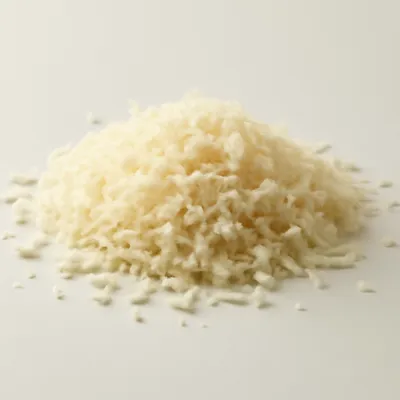
Several controlled steps give ebi furai its crackle. The prawn is straightened by scoring shallow cuts across the belly and pressing it flat, which severs the contracting muscle fibers so the tail does not curl as its proteins denature in the heat. Coarse panko, made from crustless white bread torn into long flakes, has an open structure that absorbs less oil and stays crisp far longer than fine Western breadcrumbs. A standard flour, egg, panko sequence builds a continuous shell: the flour dries the surface for the egg to grip, and the egg glues the panko in place. Frying at roughly 170 to 180°C is hot enough to set and brown that shell quickly via Maillard browning before much oil soaks in, yet not so hot that the crust scorches before the prawn cooks through; the vigorous bubbling is the prawn's own water flashing to steam and pushing oil back out.
Variations
The classic accompaniments split by taste: tartar sauce, thick tonkatsu sauce, Worcester sauce, lemon, or plain salt. The prawn itself ranges from large black tiger prawns or kuruma prawns for a meaty bite to smaller, sweeter species. Whole fried prawns are also used as toppings, set over noodles, on curry rice, or in an ebi furai sandwich; in Nagoya a fried prawn often appears tucked into other dishes. The minced cousin, ebi katsu, packs chopped or pounded shrimp into a patty before breading, and the same technique extends to kaki furai (oysters) and other furai across yoshoku.
On the Palate
Where Ebi Furai sits in the Japanese flavor cloud
Ingredients
Serves 2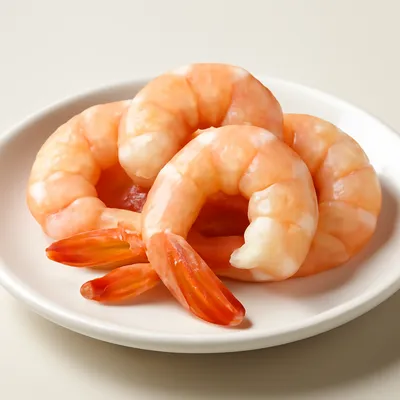

How it's made
8 steps · 25 min active + 10 min waiting
- 18 min
Peel the prawns leaving the tail segment on, devein them, and pat thoroughly dry.
- 26 min
Make shallow cuts across the belly of each prawn and gently press it flat so it will fry straight rather than curling.
Watch outScore the belly and press each prawn flat — this severs the contracting fibers so the tail fries straight instead of curling up.
- 32 min
Set up three bowls: flour, beaten egg, and coarse panko.
- 46 min
Coat each prawn in flour, then egg, then press firmly into the panko so the crumbs adhere all over.
- 52 min
Heat oil to about 170 to 180°C, testing with a few panko crumbs that should sizzle and rise steadily.
Watch outHold the oil at 170 to 180C — drop a few panko crumbs and they should sizzle and rise steadily; too cool and the shell goes oily and soft.
- 63 min
Lower the prawns in a few at a time and fry, turning once, until pale gold and crisp, about 2 to 3 minutes.
Watch outFry just 2 to 3 minutes to pale gold and crisp — overcooking dries the prawn and darkens the coarse panko past its clean crunch.
- 72 min
Lift out and drain on a rack or paper so excess oil runs off.
- 81 min
Serve hot with shredded cabbage, a lemon wedge, and tartar and/or tonkatsu sauce, with rice and miso soup.
Archive tool suggestions — not reviewed
These legacy suggestions have not been evidence-reviewed and are not presented as required tools.