


Hakata (Fukuoka) mizutaki dates to the 1900s, attributed to Hayashida Heizaburo, who opened the restaurant Suigetsu in 1905 in Fukuoka, having gone to British-ruled Hong Kong at age 15 to live with a British family and study Western cooking, where he absorbed both Chinese boiled-chicken cookery and Western consommé technique. He combined the two — long-simmered Cantonese-style chicken yielding a clear-then-cloudy stock — into a Japanese hot pot. Kyoto has its own older mizutaki tradition using only kombu broth, but Hakata's bone-rich style is the version that travelled.
Hakata 1905 invention by Hayashida Heizaburo, who studied Cantonese white-cut chicken in Hong Kong and Western consommé in London, then merged them. Bone-in chicken at a rolling boil emulsifies collagen white — same chemistry as tonkotsu, lighter pot.
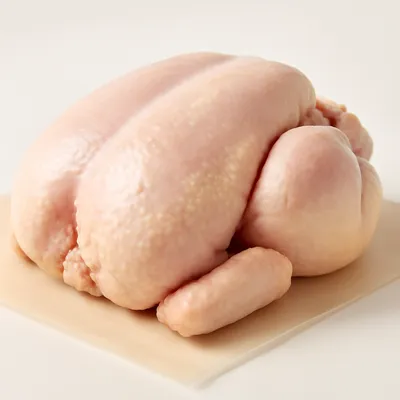
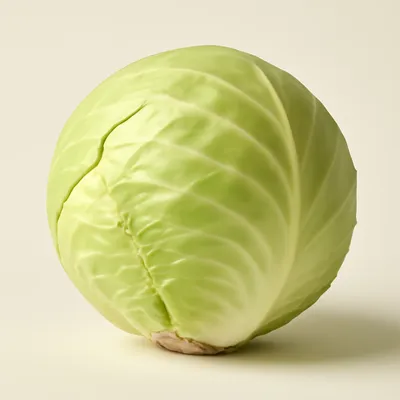
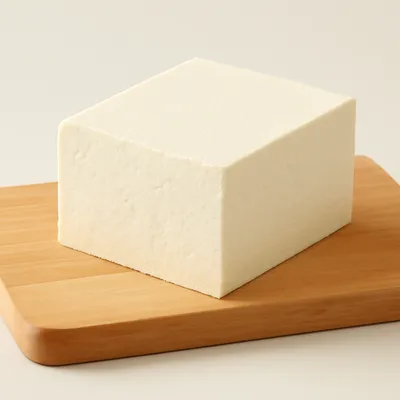
A clay pot of bone-in chicken simmered in plain water with kombu — no soy, no miso, no aromatics added until later. The broth turns milky white from the rendered collagen as it cooks at the table. Diners scoop chicken and vegetables (Chinese cabbage, leek, tofu, shiitake) into ponzu with grated daikon and yuzu kosho. End the meal with rice or noodles cooked in the remaining broth — that's the part most cooks plan for.
The bones are non-negotiable. Bone-in chicken simmered 1-2 hours releases collagen into water, creating an emulsion that turns the broth opaque white — the same chemistry as tonkotsu ramen, but lighter. Boneless chicken yields a thin, sad broth no matter how long it cooks. The Hakata move is to start the bones an hour before service, then add the eating-pieces (with vegetables) at the table — fresh meat in already-rich stock.
Variations
Hakata's Suigetsu (the founding shop opened by Hayashida Heizaburo, still in Fukuoka) is the bone-collagen white-broth lineage; Kyoto mizutaki uses kombu only and stays clear; Toriden in Osaka popularized the home-cookable version postwar.
On the Palate
Where Mizutaki sits in the Japanese flavor cloud
Ingredients




How it's made
5 steps · 3 hours
- 129 min
Prepare a light broth by simmering kombu in water.
Watch outSteep the kombu and pull it right as the water starts to tremble, before any boil — boiled kombu leaks slime and a seaweedy bitterness into the base.
- 223 min
Cut chicken into bite-sized pieces and add to the broth.
- 329 min
Add cabbage, tofu, and shiitake mushrooms to the pot.
- 487 min
Simmer gently until ingredients are cooked through.
Watch outSimmer the bone-in chicken low and long until the broth turns milky-opaque and silky — that white cloud is the collagen; a thin clear broth means it hasn't given yet.
- 512 min
Serve with yuzu kosho and ponzu on the side.
Archive tool suggestions — not reviewed
These legacy suggestions have not been evidence-reviewed and are not presented as required tools.


