A Hokkaido winter specialty: fresh crab — legs, body, and sometimes tomalley — simmered in a clear konbu dashi with tofu, Chinese cabbage, daikon, and mushrooms. A minimalist nabe that lets the crab's flavor dominate; finished with zosui rice porridge in the enriched broth.
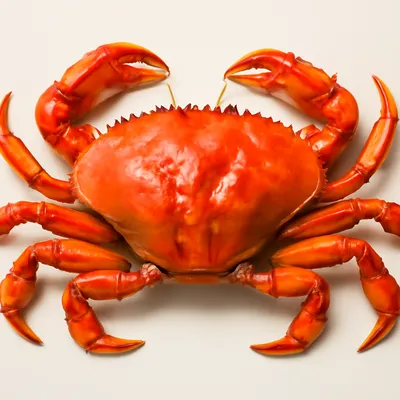





Kani nabe is a winter nabemono hot pot from Hokkaido, documented in Wikipedia's Nabemono article. The dish is built on the abundant snow crab (zuwai-gani) and king crab of Hokkaido's cold waters. The broth is minimalist — often just konbu dashi — so that the crab's flavor dominates. Crab legs, body sections, and sometimes tomalley are simmered with tofu, Chinese cabbage, daikon, shiitake, and enoki mushrooms. The leftover broth, enriched by the crab drippings, is finished with zosui — rice cooked into a porridge in the remaining liquid — which is the prized conclusion of the meal.
A pot of kani nabe brings up whole crab legs and body sections in a clear, intensely crab-savory broth with tender vegetables. The crab — sweet, briny, and rich — perfumes the entire pot; the vegetables have absorbed its flavor through the long simmer. The broth, golden from the crab fat, is the liquid essence of the sea. The zosui at the end — rice cooked in this broth — captures every remaining drop of crab flavor.
Kani nabe rests on the minimalist broth and the crab's own flavor contribution. The konbu dashi provides only a glutamate base; the crab supplies everything else — its shell and flesh release inosinate (a nucleotide umami compound that synergizes with the konbu's glutamate), minerals, and gelatin from the shell. The gentle simmer — never a hard boil — keeps the crab meat tender and the broth clear; a hard boil would toughen the protein and cloud the liquid. The zosui finish exploits the broth's accumulated richness: the rice absorbs the concentrated flavor directly, making each grain a carrier of the crab essence.
Variations
Some versions add miso or soy; the crab, the konbu-dashi broth, and the zosui finish are the Hokkaido constants.
On the Palate
Where Kani Nabe sits in the Japanese flavor cloud
Ingredients
Serves 4
How it's made
6 steps · 25 min
- 15 min
Prepare a konbu dashi in a donabe; remove konbu.
- 25 min
Arrange crab legs and body sections in the pot.
- 35 min
Add Chinese cabbage, daikon, tofu, shiitake, and enoki.
- 420 min
Simmer gently until crab is cooked and vegetables are tender.
Watch outKeep it at a gentle simmer, never a hard boil — a rolling boil toughens the crab meat and clouds the clear konbu broth; the whole dish rides on that clarity.
- 55 min
Ladle into bowls; eat the crab and vegetables first.
- 615 min
For zosui: add cooked rice to the remaining broth; simmer with egg until thick.
Watch outFor the zosui, add the rice to the leftover broth and simmer with egg until thick — the rice drinks up all the crab richness left in the pot, so don't waste that broth.
Archive tool suggestions — not reviewed
These legacy suggestions have not been evidence-reviewed and are not presented as required tools.