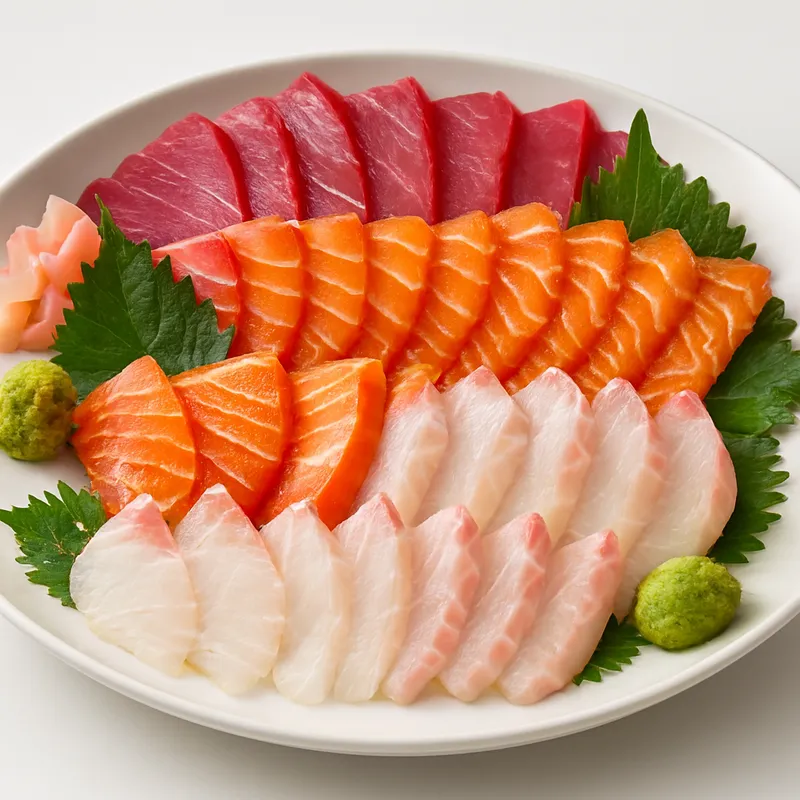
Scattered sushi — a bowl of vinegared sushi rice topped with an artful arrangement of raw fish, cooked vegetables, and egg. Belonging to the haya-zushi (fast sushi) family that emerged during the Edo period, chirashizushi is eaten on festive occasions, especially Hinamatsuri, the Girls' Festival in March.
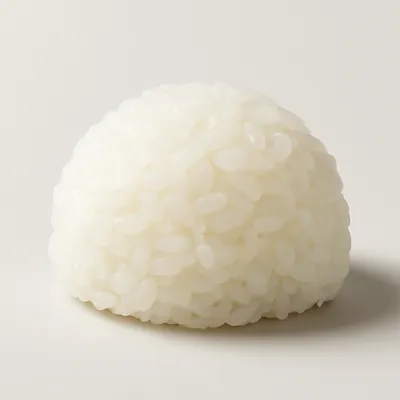

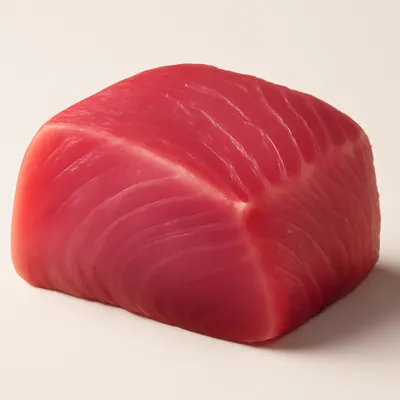
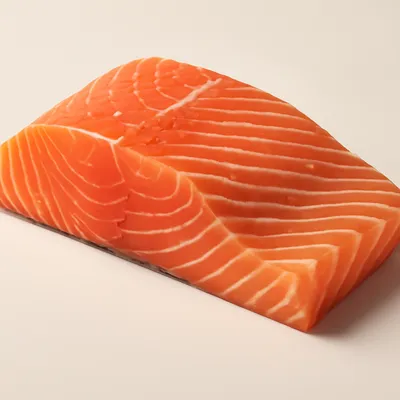

Chirashizushi — also called barazushi — belongs to the haya-zushi family, the fast sushi that emerged during the Edo period, when rice vinegar replaced the older lactic-acid fermentation and allowed sushi to be assembled immediately. No single inventor or founding year is documented for chirashizushi itself. Three regional styles are documented: Edomae chirashizushi, with uncooked ingredients arranged on top of the rice; gomokuzushi of the Kansai region, with cooked or uncooked ingredients mixed into the body of the rice; and sake-zushi of Kyushu, with rice prepared with rice wine instead of vinegar. Chirashizushi is traditionally eaten on Hinamatsuri — the Girls' Festival in March — and on Children's Day in May.
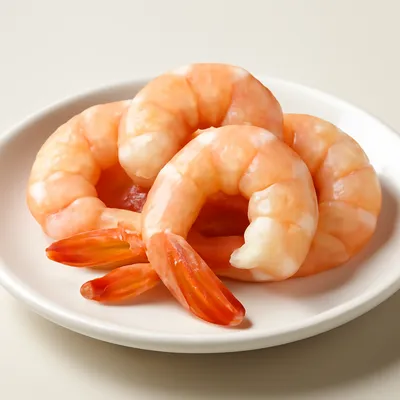
A bowl of chirashizushi is colorful and abundant: vinegared rice beneath, topped with glistening slices of tuna, salmon, and shrimp; thin ribbons of egg; shiitake mushrooms simmered sweet; cucumber and lotus root for crunch. Each bite combines the clean acidity of the sushi rice with the varying textures and flavors of the toppings. Eaten cold, it is a festive, celebratory dish designed for sharing.
Chirashizushi rests on the vinegar-seasoning of the rice and the arrangement of toppings. Short-grain white rice is cooked and seasoned while hot with a mixture of rice vinegar, sugar, and salt — the sushi-zu; the vinegar's acetic acid supplies the sourness that the older narezushi once obtained from lactic-acid fermentation, and the acid also firms the rice's surface starches, keeping each grain distinct rather than mushy. The rice is cooled to body temperature, then placed in individual bowls; toppings are arranged artfully on top in the Edomae style, or mixed into the rice in the Kansai gomokuzushi style. The variety of toppings — raw and cooked, soft and crunchy, fish and vegetable — provides a different combination in every bite, which is the dish's defining pleasure.
Variations
Edomae (toppings arranged on top), gomokuzushi (toppings mixed in), and sake-zushi (rice wine instead of vinegar) are the three documented regional styles.
On the Palate
Where Chirashizushi sits in the Japanese flavor cloud
Ingredients
Serves 4

How it's made
6 steps · 40 min
- 120 min
Cook short-grain rice; while hot, season with sushi-zu — rice vinegar, sugar, and salt — and cool with fanning to body temperature.
Watch outFold the sushi-zu through the rice while it's hot, then fan it as you cool it — the fanning drives off steam and gives each grain its glossy, distinct set.
- 220 min
Prepare toppings: slice sashimi-grade fish, simmer shiitake in soy and mirin, julienne cucumber, cook and shred egg into ribbons.
- 35 min
Place the vinegared rice in individual bowls.
- 410 min
Arrange the toppings artfully on top of the rice.
- 55 min
Garnish with shredded nori and wasabi.
- 65 min
Serve at room temperature.
Archive tool suggestions — not reviewed
These legacy suggestions have not been evidence-reviewed and are not presented as required tools.