Japanese spiny lobster (Panulirus japonicus), a prized luxury ingredient caught along the Pacific coast of Japan, particularly associated with Mie Prefecture and the Ise-Shima region. Eaten as sashimi, boiled, or in miso soup; the flesh is sweet and firm, and the head shells are used to make a rich, orange lobster miso. A celebratory and high-end seafood, traditionally served at weddings and New Year.
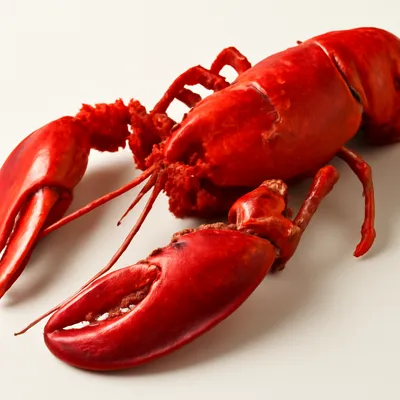
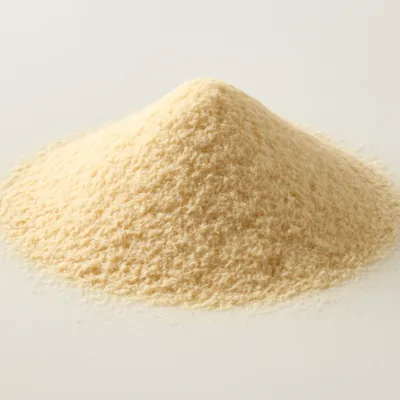
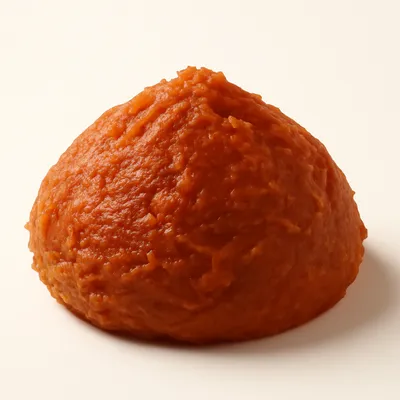

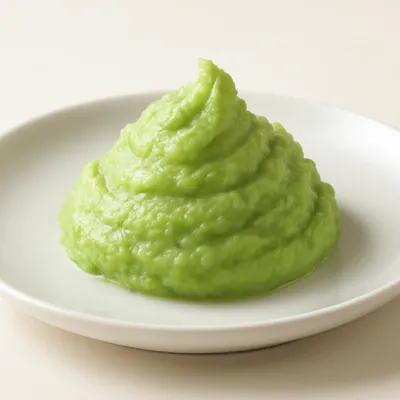
Ise-ebi (Japanese spiny lobster) is named after Ise Province (now Mie Prefecture), where it has been fished for centuries. It is one of Japan's most prestigious seafoods, tied to celebration — its curved body and red cooked color read as auspicious symbols of longevity, so it features at weddings, New Year osechi, and shichi-go-san. The Ise-Shima area (Shima, Toba, Minami-Ise) is the main fishery. Mie enforces strict conservation, with a closed spawning season and a minimum-size release rule, and markets its catch under a Mie-brand antenna tag; the lobster is also Mie's designated prefectural fish. Preparation is often minimal — split and grilled or boiled, the meat dipped in vinegared soy, the head and shell simmered into a prized miso soup.
A piece of raw ise-ebi sashimi is translucent and slightly firm, with a clean, sweet flavor and a faintly crunchy texture. Cooked (typically boiled or grilled), the flesh turns opaque white and firms up, becoming sweeter and richer. The head and shell, when roasted and simmered, yield a deep orange, intensely flavorful miso-based soup that captures the lobster's essence. Eaten as sashimi first, then the head as soup.
Ise-ebi's appeal depends on freshness and minimal handling. For sashimi, the live lobster is opened, the tail meat removed and sliced immediately — the high natural sweetness (from glycogen and amino acids) and the slight crunch (from the muscle's structure) are at their peak. For cooking, brief boiling or grilling preserves the firm, sweet texture; overcooking toughens the meat. The head and shells, rich in flavor compounds (amino acids, fats, and carotenoid pigments), are roasted to develop Maillard flavors, then simmered into miso soup — this is the dish's second preparation, using the whole animal. The deep orange color comes from astaxanthin, a carotenoid pigment released by heat.
Variations
Sashimi (raw), boil (yude), and grill (yaki) are classic; the head becomes a miso soup (dubbed 'ise-ebi no aji-miso').
On the Palate
Where Ise Ebi sits in the Japanese flavor cloud
Ingredients
Serves 2How it's made
6 steps · 15 min
- 15 min
Dispatch a live ise-ebi humanely; split lengthwise.
- 25 min
Remove the tail meat; slice thinly for sashimi.
Watch outSlice the tail meat and serve it the instant it's cut — the natural sweetness and springy crunch peak fresh and fade fast once exposed.
- 31 min
Serve sashimi immediately with soy and wasabi.
- 48 min
Reserve the head and shells; roast over flame until fragrant.
Watch outRoast the head and shells over flame until fragrant before simmering — that browning is what gives the miso soup its deep lobster flavor.
- 510 min
Simmer the roasted shells in dashi and miso to make lobster miso soup.
- 61 min
Strain and serve the soup hot, optionally with tail meat pieces.
Archive tool suggestions — not reviewed
These legacy suggestions have not been evidence-reviewed and are not presented as required tools.



