
Buckwheat noodles topped with sansai — the foraged mountain vegetables that define spring cooking in the Nagano highlands: warabi (bracken fiddleheads), zenmai (royal fern), fuki (butterbur), kogomi (ostrich fern), and others, blanched, soaked to remove bitterness, and simmered briefly in dashi. Served either hot in broth or cold for dipping, the dish pairs Shinshu's two great mountain staples, soba and sansai, in one bowl. It is the everyday taste of the season when the snow melts and the slopes flush green.



Sansai gathering is an old practice across the snow country of central and northern Japan, where foraged greens supplemented a thin early-spring larder before garden vegetables came in; in Nagano, where rice was scarce and buckwheat plentiful, pairing the foraged greens with soba was natural. There is no single inventor — sansai soba is a regional everyday dish rather than a shop creation, served at highland soba restaurants, mountain lodges, and farmhouse tables. Many sansai are sold salted or preserved so the dish appears year-round, but the true season is spring.
The noodles bring the nutty buckwheat aroma; the sansai bring a gentle, clean bitterness and a range of textures — the slippery snap of warabi, the firmer chew of zenmai, the green stalkiness of fuki. The dashi ties them together with quiet umami. It is a restrained, vegetal bowl, far from the richness of a meat or seafood soba, and tastes distinctly of the mountains.
The key step is the bitterness removal: wild sansai contain harsh, sometimes mildly toxic compounds, so they are blanched and the bracken and royal fern are treated with wood ash or baking soda (aku-nuki) and soaked to leach out the aku before cooking — skip this and the greens are unpleasantly astringent. A light dashi of kombu and bonito carries the dish; the soba is boiled and shocked exactly as for any cold soba, then either left cold for dipping or warmed in the broth just before serving so the noodles do not bloat.
Variations
Served hot (kake) in broth or cold (mori) for dipping. The mix of sansai changes with what the mountain offers — warabi, zenmai, kogomi, fuki, taranome, udo. Often crowned with a raw egg yolk, grated yam (tororo), or a knob of grated daikon. Closely related to tororo soba and the highland soba family of Togakushi and Kiso.
On the Palate
Where Sansai Soba sits in the Japanese flavor cloud
Ingredients
Serves 2How it's made
7 steps · 25 min active + 15 min waiting
- 115 min
Blanch the foraged sansai; for bracken and royal fern, treat with wood ash or baking soda and soak to remove bitterness (aku-nuki), then rinse.
Watch outTreat the bracken and fern with ash or baking soda and soak to leach the aku — skip this bitterness-removal and the wild greens are harshly astringent, even mildly toxic.
- 28 min
Simmer the prepared sansai briefly in seasoned dashi with soy sauce and mirin until just tender and flavored; set aside.
- 35 min
Make a kombu-and-bonito dashi and season it for the soup or the cold dipping tsuyu.
- 43 min
Boil the soba noodles in plenty of water until just done, then drain and shock in cold water.
Watch outBoil the soba just to done and shock it in cold water — the cold rinse tightens the surface starch so the strands stay firm and slick; overcook or skip the shock and they bloat soft.
- 52 min
For a hot bowl, briefly reheat the noodles in the broth; for cold, plate the chilled noodles on a draining basket.
- 62 min
Top the noodles with the simmered sansai and any garnish, and ladle over hot broth or serve the dipping tsuyu alongside.
- 71 min
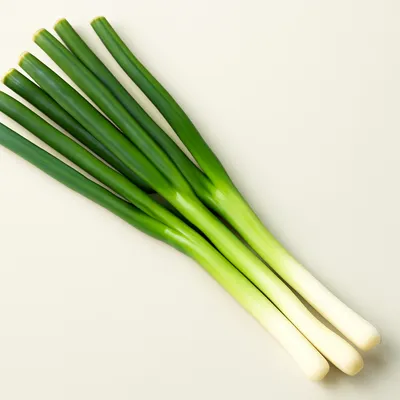
Finish with chopped negi and, if liked, a raw egg yolk or grated yam.
Archive tool suggestions — not reviewed
These legacy suggestions have not been evidence-reviewed and are not presented as required tools.


