
Single-distilled spirit from barley, sweet potato, or rice, 25-30% ABV. Honkaku grade is single-pot pot-still only.


Distillation reached Kyushu via Ryukyu and Korea by the 16th century — a 1559 graffiti at Koriyama Hachiman shrine in Kagoshima complains the carpenters got no shochu. Honkaku (single-pot) and korui (column-still) split was codified by Japanese tax law in 1949.
Iwakura distillery in Kagoshima still uses kame-tsubo clay pots buried in the floor for fermentation — owner Iwakura Genzaburo says ceramic breathes where steel suffocates.
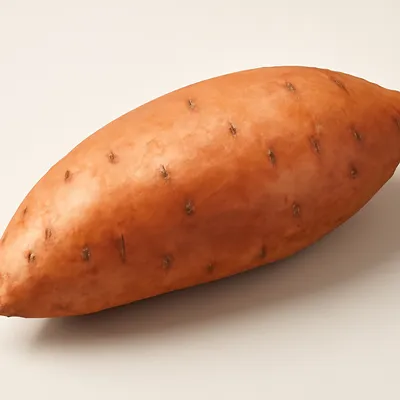
Imo (sweet potato) is earthy, almost cooked-yam funky; mugi (barley) clean, biscuit-like; kome (rice) closer to soft sake. Served on the rocks, mizuwari (split with cold water), or oyuwari (with hot water for winter).
Black koji (kawachi strain) drives second-stage moromi fermentation, generating citric acid that protects against bacteria in Kyushu's warm climate. Single pot-still distillation preserves raw-material character — column-distilled korui is neutral.
Variations
Kagoshima's Mao and Kuro Kirishima are imo flagships. Iki island in Nagasaki claims original mugi shochu from the 16th century. Kuma in Kumamoto is the protected kome region. Awamori from Okinawa is the Indica-rice ancestor.
On the Palate
Where Shochu sits in the Japanese flavor cloud
Ingredients
Serves 1How it's made
4 steps · 2 min active + 198 days 4 hours waiting
- 125920 min
Ferment base (barley, sweet potato, or rice) with koji + yeast 2–3 weeks.
Watch outLet it ferment the full 2-3 weeks — the black koji needs the time to throw off enough citric acid to keep the warm-climate mash from souring off.
- 2240 min
Single-distill in copper or stainless pot still (honkaku grade).
Watch outRun it through a single pot-still pass — one pass keeps the raw grain or sweet-potato character; column distilling strips it neutral.
- 3259200 min
Rest in tank 1–6 months before bottling at 25–30% ABV.
- 42 min
Serve cold, on the rocks, or with hot water (oyuwari) at 60 °C.
Watch outFor oyuwari, pour the hot water first then the shochu to about 60 degrees — that warmth lifts the aroma without scalding it flat.


