Harako-meshi is an autumn rice dish from the town of Watari in Miyagi Prefecture, in the Tohoku region. Pieces of autumn salmon are simmered in soy sauce, mirin and sake; the rice is then cooked in that salmon simmering broth so it takes on the fish's color and flavor, and the bowl is topped with the simmered salmon flakes and a heaped mound of bright salmon roe, called harako locally and ikura more widely. Served warm, it pairs the savory salmon-stained rice and tender flesh with the briny pop of the roe — a dish of the same fish in two forms, flesh and eggs, over its own broth. It is a seasonal specialty eaten from early autumn through early winter.



Harako-meshi is the local cuisine of Watari, a town at the mouth of the Abukuma River in southern Miyagi, where the river's autumn salmon runs have long supported a fishery. The dish grew from the fishermen's own cooking at the Arahama district of Watari, made when salmon were running, and restaurants in Arahama are recorded selling it from the Meiji era (1868-1912). The local name harako for salmon roe gives the dish its name. A frequently repeated story holds that the Sendai-domain lord Date Masamune was served harako-meshi on a visit to Watari and praised it, but this is local folklore rather than documented history. Watari and the neighboring town of Yamamoto remain the dish's home, and October 8 has been promoted locally as Harako-meshi Day, around the lifting of the salmon-fishing season.
The rice is the heart of it: stained tea-brown by the salmon broth, each grain carries a savory, faintly fishy depth before any topping. The simmered salmon on top is firm and flaky and fully seasoned, while the roe is the contrast — cool, glossy beads that burst with a salty, oceanic liquid against the warm rice. Good harako-meshi balances the three so the broth-cooked rice tastes of salmon without being heavy, the flesh stays moist rather than dry, and the roe is plump and just-firm, not hard or overly salty.
The dish runs on using one fish completely. Simmering the salmon in soy sauce, mirin and sake seasons the flesh and, just as importantly, produces a broth carrying the fish's water-soluble umami — inosinate (the savory nucleotide that builds up in fish flesh) plus the glutamate of soy sauce, a pairing whose combined savoriness is far greater than either alone. Cooking the rice in that broth drives the flavor into every grain, while the starch in the rice absorbs and holds the seasoned liquid. The roe is treated gently and added only at the end, off the heat: salmon roe is delicate, and its membrane toughens and the eggs go hard and grainy if cooked, so it is laid on the hot rice to warm slightly while keeping the soft burst. Using autumn-run salmon matters because the female fish carry the roe and the flesh is at its richest in the spawning season.
Variations
Some cooks fold the simmered salmon and its broth through the rice during cooking so the fish is mixed in; others keep the flesh as a separate topping over plainly broth-cooked rice. Toppings vary with shredded nori, a scatter of mitsuba or kinome, and grated ginger. Harako-meshi is closely related to the wider family of salmon-and-roe rice bowls — the raw sake-ikura don piles fresh raw salmon and roe over plain rice, where harako-meshi instead simmers the salmon and cooks the rice in its broth. Within Tohoku it sits alongside other salmon dishes of the northern coasts, such as Niigata and the broader Sanriku catch.
On the Palate
Where Harako-meshi sits in the Japanese flavor cloud
Ingredients
Serves 4

How it's made
7 steps · 30 min active + 30 min waiting
- 110 min
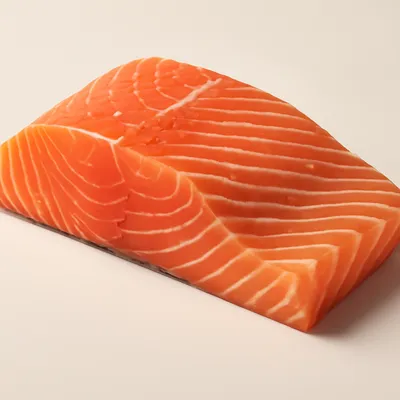
Cut fresh autumn salmon fillet into pieces and lightly salt; rinse rice and let it drain.
- 212 min
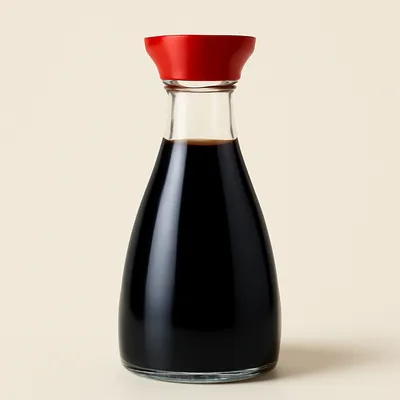
Simmer the salmon pieces gently in a mix of soy sauce, mirin, sake and a little water until just cooked through, then lift the salmon out and reserve.
Watch outSimmer the salmon just until cooked through, then lift it out and keep the liquid — that broth carries the umami into the rice.
- 33 min
Strain the simmering liquid and make up the volume with water or dashi to the amount needed to cook the rice.
- 425 min
Put the drained rice in a pot or rice cooker and cook it in the seasoned salmon broth instead of plain water.
Watch outCook the rice in the strained salmon broth instead of plain water — this is what drives the flavour into every grain.
- 58 min
While the rice cooks, flake the simmered salmon off its skin and bones into bite-size pieces, discarding skin and pin bones.
- 65 min
When the rice is done, let it steam a few minutes, then fluff it gently so the broth flavor is even.
- 74 min
Mound the rice into bowls, arrange the flaked salmon over the top, spoon a generous heap of salmon roe alongside, and garnish with mitsuba or shredded nori; serve warm.
Watch outAdd the roe only at the very end off the heat — salmon roe is delicate and its membranes burst grainy if it simmers.
Archive tool suggestions — not reviewed
These legacy suggestions have not been evidence-reviewed and are not presented as required tools.