
Imobou is a centuries-old Kyoto specialty in which ebi-imo, a curved, shrimp-shaped variety of taro, is slow-simmered together with bodara, rock-hard air-dried cod, in a dashi seasoned with soy sauce, mirin, sake, and sugar. The two ingredients are cooked together because they protect and improve each other: gelatin released from the cod keeps the soft taro from crumbling, while the taro tempers and softens the stiff, intensely savory fish. The result is taro that is creamy yet intact and cod that has turned tender and gently sweet-savory. It is most closely associated with the Maruyama district near Yasaka Shrine and with the restaurant Imobou Hiranoya, and is traditionally eaten in autumn and winter and at New Year. The dish is usually served as a simmered side, the taro and a length of cod plated in a little of the dark, glossy cooking liquid.


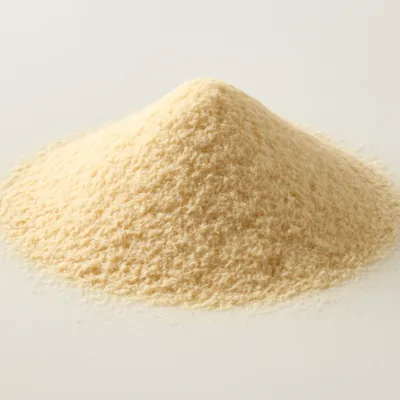


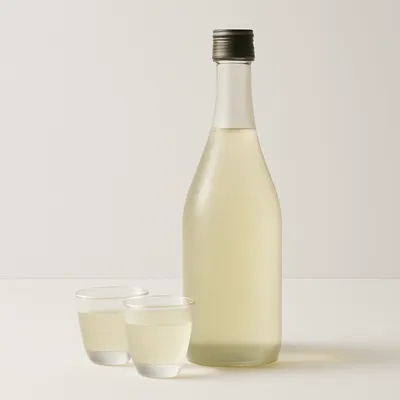
Imobou comes from Kyoto's Maruyama district, beside Yasaka Shrine, and is built on ebi-imo, a taro cultivar developed locally. By tradition the variety traces to the An'ei era (1772–1781), when a prince of the Shoren-in is said to have brought tubers of karaimo taro back from Nagasaki in Kyushu and entrusted their cultivation to Hirano Gondayu; grown in the Maruyama soil and repeatedly hilled, the tubers curved into the striped, shrimp-like shape that earned the name ebi-imo. The pairing with bodara, dried cod brought to Kyoto from Hokkaido, is credited to the same Hirano line, which still runs the restaurant Imobou Hiranoya near Maruyama Park and claims a lineage of fourteen generations. The founding details are semi-legendary and the dates given by the restaurant and by horticultural records do not fully agree, so the exact origin is unrecorded; what is documented is that ebi-imo is a recognized Kyoto heirloom vegetable and that the dish has long been a Maruyama signature.
Done well, the ebi-imo eats creamy and faintly fluffy at the center yet holds its shape to the chopstick, having drunk up the dark soy-dashi liquid so that each bite is deeply savory and gently sweet. The cod, after its long soak and slow simmer, pulls apart in tender, slightly springy flakes with a concentrated, faintly briny umami rather than fishiness. The two are bound by a lightly gelatinous, glossy sauce. Done badly, the taro slumps into mush or stays hard and chalky at the core, and the cod remains tough, dry, and aggressively salty-stiff.
Bodara is true cod dried so hard it is nearly wood; before cooking it is soaked for days—rinse-water at first, then fresh water changed once or twice daily over roughly a week—until the muscle rehydrates and slackens. During the long, gentle simmer (held below a hard boil, around 80–95°C) the cod's abundant connective collagen is slowly hydrolyzed into gelatin, which dissolves into the liquid and coats the cubes of taro; this viscous film cushions the soft, starchy ebi-imo and physically holds its gelatinized starch granules together, preventing the disintegration that plain taro suffers in boiling water. Running the other way, the taro's own starch and the impurities (aku) it sheds draw salt and stiffness out of the fish and soften its rehydrated flesh, while the starch thickens the broth and tempers its concentration. Because each ingredient buffers the other, the pair must be simmered slowly and together rather than boiled hard or cooked apart—the essence of Kyoto's deai-mon, or 'meeting ingredients,' principle.
Variations
The defining version uses ebi-imo, whose dense, fine-grained flesh resists crumbling far better than ordinary sato-imo (round taro), though home cooks short on ebi-imo do substitute regular taro at the cost of a softer result. Bodara is the traditional fish and is prized for the gelatin it contributes; fresh cod can stand in but lacks the concentrated savor and the binding collagen, making it a different, milder dish. The Hiranoya restaurant guards a closely held house method passed down within the family, while everyday home and temple recipes treat it as a humble simmered dish (an 'oban-zai' style taitan). Beyond imobou, ebi-imo is also simmered in kenchin-style vegetable stews and dropped into oden, where its shape-holding creaminess is equally valued.
On the Palate
Where Imobou sits in the Japanese flavor cloud
Ingredients
Serves 4

How it's made
8 steps · 30 min
- 110 min
Soak the bodara (dried cod) to rehydrate it: rinse, then submerge in plenty of cold water (rice-rinsing water at first, then fresh water), keeping it in the refrigerator and changing the water once or twice a day for about 5 to 7 days, until the flesh has swollen soft all the way through.
Watch outSoak the rock-hard dried cod for days, changing the water daily, until the flesh has swollen soft all the way through — under-soaked, the core stays woody and never cooks tender.
- 210 min
Drain the rehydrated cod, blanch it briefly in boiling water or weak roasted-rice tea, then discard that water to wash away surface impurities and residual odor; cut the cod into serving lengths.
- 310 min
Peel the ebi-imo taro, trimming it into even pieces, and lightly rinse off surface starch; optionally parboil 3 to 4 minutes and drain to remove some aku.
- 410 min
Lay the cod in the bottom of a heavy pot, set the taro on top, and add dashi to barely cover along with sake and a first measure of sugar; bring slowly to a bare simmer.
- 530 min
Hold the pot at a gentle simmer below a rolling boil (about 80 to 95°C), with a drop-lid if available, letting the cod's collagen melt into the liquid; skim any foam.
Watch outHold the pot at a gentle simmer below a rolling boil, around 80-95 degrees — this slow, low heat melts the cod's collagen into the liquid and cushions the taro so it doesn't fall apart.
- 635 min
Add soy sauce and mirin in stages and continue simmering gently until the taro is creamy but still whole and the cod is fork-tender, basting occasionally.
- 720 min
Turn off the heat and let the dish rest so the flavors settle and the taro absorbs the liquid; gently reheat before serving.
- 85 min
Plate a piece of taro and a length of cod together in a little of the glossy cooking liquid.
Archive tool suggestions — not reviewed
These legacy suggestions have not been evidence-reviewed and are not presented as required tools.


