
Suiton predates udon and soba — the word 'suiton' (水団) appears in Muromachi-period records, though the modern hand-torn form only took shape in the late Edo period, when wheat was a poor-soil crop in Tohoku. The dish became culturally iconic during the 1940s wartime and postwar food shortages, when rice was rationed and flour was the only staple available. Generations of Tohoku elders associate suiton with hunger; the dish is now eaten more from memory than necessity.
Flour-and-water dumpling soup recorded since the Muromachi 14th century, when wheat fed the poor-soil prefectures. Became a Tohoku ration-memory dish in the 1940s — most elders still eat it tasting of hunger.
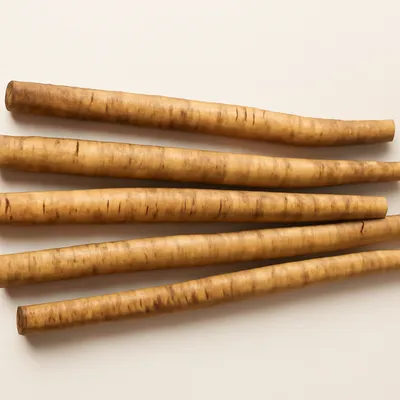
Hand-torn flour-dough lumps simmered in a dashi-soy or miso broth with whatever's at hand — root vegetables (daikon, carrot, burdock), pork or chicken, sometimes mushrooms. The dumplings are uneven, irregular, soft outside with a denser core; they thicken the broth as they cook. Cheap food, peasant food, postwar-rationing food. Still eaten in winter Tohoku homes when there's not much in the fridge.
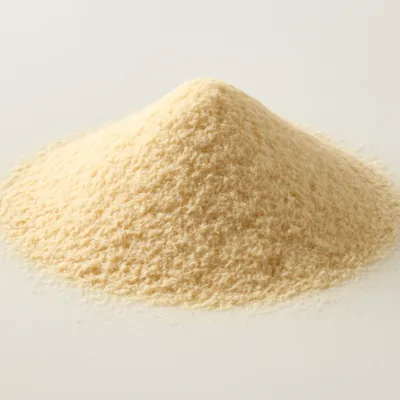
The dough has no eggs, no leavening — flour, water, salt, sometimes a splash of oil. Tearing rather than rolling and cutting matters: the rough surfaces grab broth and starch leaches out at the edges, lightly thickening the soup. Drop the pieces into already-simmering broth (not cold, or they dissolve). Resting the dough 10-15 minutes before tearing relaxes the gluten so the cooked dumplings aren't rubbery.
Variations
Tohoku winter homes run a miso-broth version with daikon and burdock; Tokyo wartime suiton was thinner, almost just dumplings in salted water; modern Sendai shops like Komatsuya plate it with pork belly and shiitake.
On the Palate
Where Suiton sits in the Japanese flavor cloud
Ingredients







How it's made
5 steps · 45 min
- 13 min
Mix wheat flour with water to form a soft dough, then pinch into small dumplings.
Watch outWork the flour and water into a soft, smooth dough and let it rest before shaping — rested dough tears into rough-edged pieces that grab the broth instead of cooking up rubbery.
- 215 min
In a pot, bring dashi to a simmer and add soy sauce.
- 35 min
Add sliced pork, daikon, carrot, and burdock to the pot.
- 45 min
Introduce konnyaku and dumplings, cooking until vegetables are tender.
Watch outDrop the dumplings into broth that's already simmering, not cold liquid — cold and they slump and dissolve; they're done when they float and turn glossy.
- 52 min
Serve hot, garnished with green onions.
Archive tool suggestions — not reviewed
These legacy suggestions have not been evidence-reviewed and are not presented as required tools.