
Houtou belongs to Yamanashi Prefecture (the mountainous Kai region west of Tokyo), not Nagoya, and dates at least to the Sengoku period — 16th-century warlord Takeda Shingen reportedly fed it to his troops because the one-pot format needed no rice and could feed many quickly. The name 'houtou' likely derives from hōtō (餺飥), an ancient Chinese flat-noodle term recorded in Japanese texts as early as the Heian period.
A Yamanashi mountain dish, not Nagoya — fed to Sengoku warlord Takeda Shingen's troops in the 16th century because the one-pot format fed many fast. Un-boiled noodles release starch directly into the miso broth; that's what binds the soup.
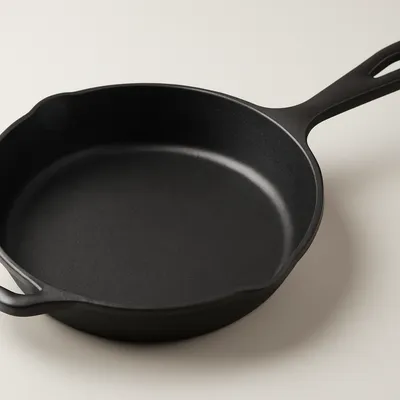
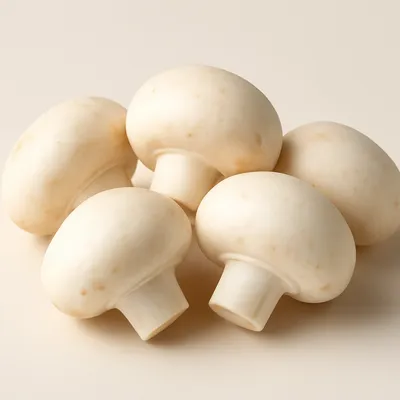
Wide, flat hand-cut wheat noodles — thicker than udon, almost belt-like — simmered directly in a miso broth heavy with kabocha squash, daikon, mushroom, leek, and sometimes pork. The kabocha breaks down and thickens the broth into something between soup and stew. Noodles arrive without pre-boiling, so the starch enters the pot. Eat from a cast-iron pot still on a small burner at the table.
The starch from un-boiled noodles is what binds the soup — without it, miso houtou is thin and the kabocha just floats. Authentic versions use an unsalted noodle dough so the miso can do all the seasoning; salted noodle dough leaches sodium into the broth and breaks the balance. The kabocha must go in early enough to fully soften (about 20 minutes) — semi-cooked kabocha is the home-cook tell.
Variations
Kosaku and Fuetafuki (both Kofu, Yamanashi) are the canonical sit-down shops; oyaki-house homestyle versions skip the meat entirely; Mimi is a related but distinct triangular dumpling soup from the same Kai region; Tokyo restaurants increasingly run it but rarely cut their own noodles.
On the Palate
Where Houtou sits in the Japanese flavor cloud
Ingredients





How it's made
5 steps · 1 hour
- 14 min
Prepare the wheat noodles by boiling until just tender, then drain.
- 27 min
In a pot, combine miso with water to create a broth.
- 311 min
Add sliced kabocha, daikon, carrot, and pork to the broth.
Watch outGet the kabocha in early and let it simmer a full twenty minutes to melting soft — half-cooked, firm-cornered squash is the dead giveaway of a rushed pot.
- 433 min
Simmer until all ingredients are tender and flavors meld.
Watch outLet it simmer until the broth thickens and clings to the spoon — that body comes from the noodle starch, so don't thin it out with extra water.
- 54 min
Serve hot, garnished with sliced green onions.
Archive tool suggestions — not reviewed
These legacy suggestions have not been evidence-reviewed and are not presented as required tools.