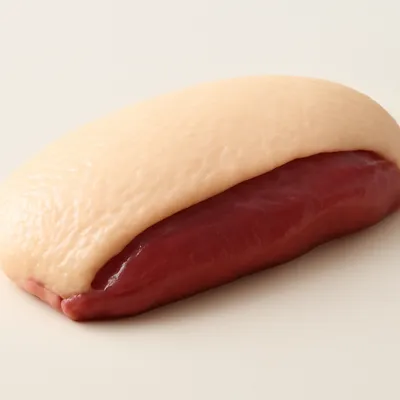
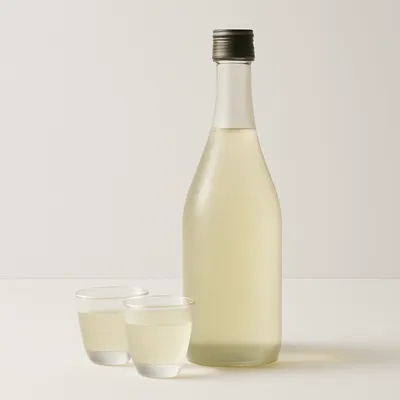
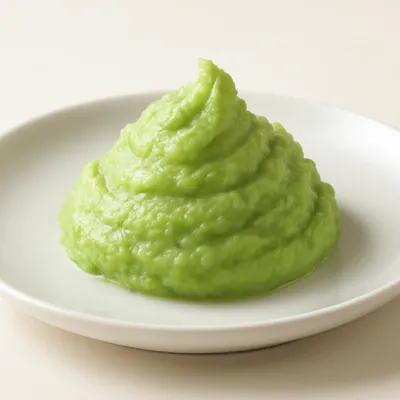
Jibuni is a simmered dish (nimono) from Kanazawa in Ishikawa Prefecture, the seat of the former Kaga domain, and one of the most representative dishes of Kaga cuisine. Slices of duck (chicken is the common substitute) are dusted in wheat flour, then gently simmered with sudare-fu, a rolled wheat-gluten specialty of Kanazawa, along with seasonal vegetables and mushrooms in a broth of dashi, soy sauce, mirin, sake, and a little sugar. As it cooks, the flour coating dissolves and thickens the broth into a light, glossy sauce that clings to every piece. Each portion is finished with a dab of fresh wasabi mounted on top, whose sharp aroma cuts the sweet-savory richness.



Jibuni traces back to the warrior society of the Kaga domain (present-day Ishikawa Prefecture) in the early Edo period and is counted among the classic dishes of Kaga cuisine. Commoners are also said to have prepared a jibu-style stew in autumn and winter from migratory waterfowl such as wild duck hunted in the hills of Kaga and Noto. The origin of the name is genuinely unsettled, with several competing folk theories: one holds it was devised by Okabe Jibu-emon, a provisioning officer who served Toyotomi Hideyoshi and is said to have brought it from the continent; another derives it from the jibu-jibu sound of the broth bubbling as it simmers. Other accounts credit the Christian lord Takayama Ukon learning it from missionaries, or point to its rare use of flour as a thickener as evidence of Portuguese influence in the early Edo period. None of these has been established as fact.
The duck stays tender and faintly springy, its surface slick where the flour film has melted into sauce. The broth is silky rather than watery, coating the tongue with a deep, sweet-savory umami balanced by the soy and mirin. The sudare-fu is soft and spongy, soaking up the liquid like a sponge, while the wasabi delivers a brief, clean nasal heat that lifts each bite before fading.
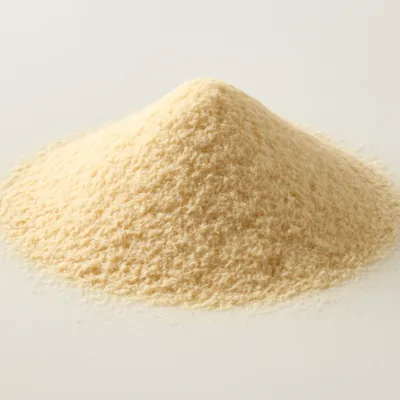
The defining technique is the thin coat of wheat flour dusted onto the duck before simmering. As the meat cooks, the flour's starch granules absorb the hot broth, swell, and gelatinize, releasing amylose and amylopectin that thicken the surrounding liquid into a light, glossy sauce without any separate thickener. The same flour film seals the surface of the meat, slowing moisture loss so the duck stays tender and juicy under a gentle simmer, and it gives the sauce a sticky surface that helps the broth's flavor cling to each piece. The broth itself is built on dashi, where glutamate from kombu and inosinate from katsuobushi act in synergy, multiplying perceived umami several-fold over either compound alone, while the soy, mirin, sake, and sugar round it into a balanced sweet-savory base.
Variations
The most traditional version uses wild or farmed duck, but chicken (often thigh) is now the everyday substitute and appears in most home and restaurant versions. Komatsu, a city in Ishikawa, is known for a duck-forward jibuni. Sudare-fu is essential and hard to replace, though other fresh wheat-gluten (nama-fu) is sometimes used elsewhere. Seasonal vegetables vary by season—lily bulb, shiitake, spinach or the local komatsuna, and seri (Japanese parsley)—and some cooks finish with grated wasabi while others use a dab of wasabi paste.
On the Palate
Where Jibuni sits in the Japanese flavor cloud
Ingredients
Serves 4


How it's made
7 steps · 25 min
- 112 min
Make a dashi broth: gently heat kombu in water until small bubbles rise, remove the kombu just before it simmers, add katsuobushi, then strain after it steeps. Season the dashi with soy sauce, mirin, sake, and a little sugar.
Watch outLift the kombu out the moment tiny bubbles cling to the pot bottom and the water is about to simmer — never let it boil.
- 28 min
Slice the duck (or chicken) thinly on the diagonal. Soak the sudare-fu briefly to soften, then squeeze and cut into pieces. Trim and cut the vegetables and mushrooms.
- 33 min
Just before cooking, lightly dust each piece of duck on both sides with wheat flour, shaking off the excess so only a thin film remains.
Watch outAfter dusting, the duck should look barely floured with no dry white patches — shake off anything more than a thin film.
- 46 min
Bring the seasoned broth to a gentle simmer and add the firmer vegetables and shiitake, cooking until nearly tender.
- 56 min
Slip the floured duck into the simmering broth one piece at a time so they do not stick, and simmer gently until just cooked through; the broth will thicken as the flour gelatinizes.
Watch outSlip the pieces in one at a time and watch the broth turn faintly cloudy then glossy as the flour gelatinizes and thickens it.
- 63 min
Add the sudare-fu and any quick-cooking greens and simmer briefly until heated through and the sauce is glossy.
- 72 min
Arrange the duck, fu, and vegetables in bowls, spoon over the thickened broth, and finish each portion with a small mound of fresh wasabi on top.
Archive tool suggestions — not reviewed
These legacy suggestions have not been evidence-reviewed and are not presented as required tools.