
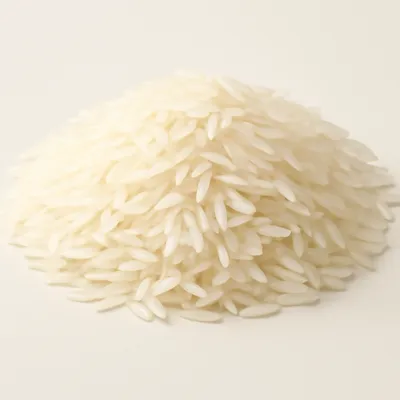
Mehari-zushi is a large hand-held rice ball wrapped in a whole leaf of salt-pickled takana mustard greens, the signature country food of the Kumano region of southern Wakayama Prefecture. Despite the '-zushi' name it is not vinegared nigiri sushi: the Kumano original is shaped from plain cooked white rice, sometimes mixed with chopped pickled-greens stems and sometimes lightly seasoned, with the tangy pickled leaf doing the flavoring from the outside. The ball is traditionally big enough to fill a hand, eaten in large bites without utensils. The pickled takana leaf both seasons the bland rice and holds the parcel together. It is eaten as a snack or a light meal, often packed as a portable lunch.



Mehari-zushi grew up as the working food of the Kumano mountains on the Kii Peninsula, in southern Wakayama and reaching into neighboring Mie and southern Nara; its exact origin is unrecorded, as befits a folk food. In a region where forestry, charcoal-making, farming, and river rafting were the main livelihoods, it was the portable field meal carried by laborers working the hills—a sturdy, salt-pickled parcel that needed no plate and survived a long day's work. The wrapper is a leaf of takana (a leaf mustard, Brassica juncea), pickled in salt around the cold months and squeezed; the same greens, chopped, were often worked into the rice. The name is most commonly explained as me o haru—'to open the eyes wide'—said to describe a rice ball once so large that one had to open the mouth, and the eyes, wide to bite it; other explanations are recorded (that it was 'so good it made the eyes open,' or that the rice was sealed shut inside the leaf), so the etymology is best treated as folk tradition rather than fixed fact. Today it is a celebrated specialty of Wakayama and the wider Kumano area, sold at stations and served in restaurants in smaller, neater forms.
The first taste is the leaf: salty and tangy, faintly bitter and mustardy, with the soft chew of a well-pickled green. Inside is a big mouthful of plain, slightly warm rice, mild and a little sweet, so the seasoning sits almost entirely on the wrapper and the rice carries it. A good one is moist and tender with a clean, lactic sourness to the takana; a poor one is either bland because the leaf was under-pickled, or harshly salty and dried-out at the edges. It is filling and savory, made to be eaten in large, satisfying bites by hand.
The dish works on the food science of salt-pickling. Packing takana in salt draws out water and lets the lactic-acid bacteria naturally on the leaves ferment its sugars into lactic acid; this lowers the pH to an acidic level that, together with the salt, suppresses spoilage and pathogenic microbes, so the leaf—and the rice it wraps—keeps through a work day without refrigeration. The same fermentation breaks down proteins into free amino acids, building the savory, faintly sour umami that flavors the otherwise plain rice from the outside in, an exchange helped by the leaf pressing tight against the warm grains. Physically, the pliable, salt-softened leaf wraps and binds the loose rice ball into a parcel that holds its shape and is sealed against the air, which slows the rice from drying out and staling—exactly the qualities that made it a practical portable meal for laborers.
Variations
The most basic form is plain white rice in a pickled leaf; very common is rice studded with the chopped, pickled takana stems, and some cooks lightly season the rice with soy or dashi. Although the Kumano original uses plain rice, vinegared sushi rice is also used by preference, and across the prefectural line in the Kumano area of Mie the rice is often more clearly seasoned. Historically, when rice was scarce, barley was mixed in to stretch it. Modern restaurant and station versions are usually made much smaller and neater than the old field-meal size. It belongs to a wider family of leaf-wrapped rice: the everyday takana onigiri shares the same greens, and Wakayama's kakinoha-zushi—sushi wrapped in a persimmon leaf—is a regional cousin in using a leaf to wrap and protect rice.
On the Palate
Where Mehari-zushi sits in the Japanese flavor cloud
Ingredients
Serves 4How it's made
8 steps · 20 min active + 5 min waiting
- 13 min
Have ready whole leaves of salt-pickled takana mustard greens; if they are very salty, soak briefly in water, then gently squeeze out the excess moisture and pat dry.
Watch outIf the pickled greens are very salty, soak briefly and squeeze dry — too salty and the leaf overpowers the plain rice inside.
- 23 min
Trim the thick stems from the leaves and set the stems aside; chop a portion of them finely for mixing into the rice.
- 33 min
Lightly fold the chopped pickled stems through warm cooked white rice, and season very lightly with a little soy sauce if you like; keep the rice plain for the Kumano style.
- 41 min
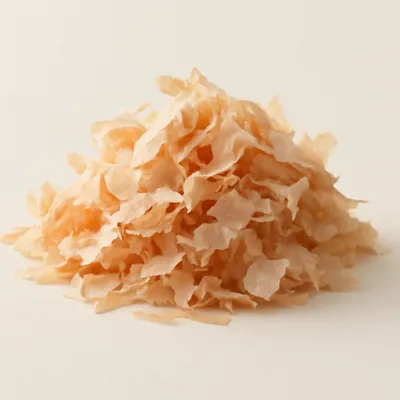
Optionally toss in a few toasted sesame seeds or a little bonito for extra savor.
- 52 min
Wet your hands and shape the rice into a firm, fist-sized oval ball.
- 62 min
Lay a takana leaf flat, smoothing it out, and place the rice ball in the center.
- 73 min
Fold the leaf snugly around the rice so the ball is fully wrapped and the seam sits underneath, pressing gently so it holds together.
Watch outWrap the leaf snug with the seam underneath and press gently — a loose wrap and the ball falls apart when you pick it up.
- 83 min
Let the wrapped ball rest a few minutes so the leaf's flavor and salt settle into the rice, then serve whole to be eaten by hand.
Archive tool suggestions — not reviewed
These legacy suggestions have not been evidence-reviewed and are not presented as required tools.


