






Rooted in the offerings of the Mitarashi Festival at Kyoto's Shimogamo Shrine; the sugar-soy glazed form was later popularized by the Kamo Mitarashi tea house by the shrine gate (the tea house itself dates to the early 20th century, c. 1922). The shape — a separated top ball above four — is said to mimic both the water bubbles that rose in the Mitarashi pond when Emperor Go-Daigo scooped water (one large bubble, then four) and a human form (top = head, lower four = body), an amulet against misfortune, where pilgrims washed before entering the shrine. The grill-char came later, originally added for keeping dango fresh longer.
From Kamo Mitarashi Tea House near Kyoto's Shimogamo Shrine in the early Edo period (17th c.). The four-balls-plus-one shape is said to mimic a human body offered at the shrine's purification pond. Glaze is reduced past soft-ball candy stage so it clings without dripping.
Three or four white rice-flour balls on a bamboo skewer, lightly charred from the grill, glazed in a glossy soy-and-sugar sauce that's thickened to syrup. The dango is chewy — closer to mochi than to bread. The glaze is sweet-salty with a faint smoky edge from the char. Eaten warm off the skewer, one bite per ball.
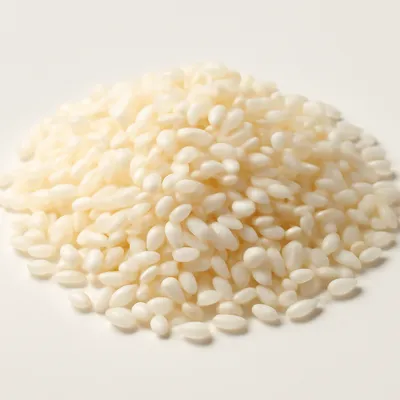
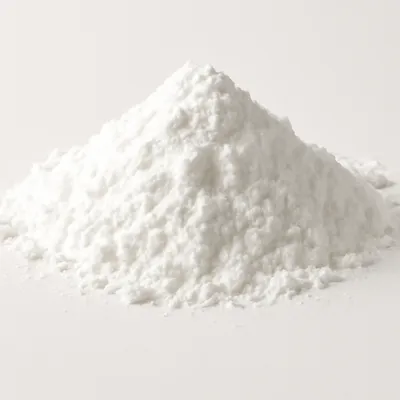
The flour matters: shiratamako (glutinous rice) gives stretch, jōshinko (non-glutinous) gives bite — most shops blend both. The glaze is reduced past the soft-ball candy stage so it clings to the dango without dripping. Reheated mitarashi loses the glaze sheen and goes sticky; it's a dish that doesn't travel.
Variations
Kamo Mitarashi Cha-ya original three-ball-plus-one Kyoto skewer; Tokyo-style four-on-a-stick standard; bocchan dango (three colors) is the Matsuyama variant; an-dango with sweet bean paste skips the soy glaze entirely.
On the Palate
Where Mitarashi Dango sits in the Japanese flavor cloud
Ingredients

How it's made
5 steps · 45 min
- 17 min
Mix glutinous rice flour with water and knead into a smooth dough.
- 28 min
Roll the dough into small balls and boil until they float.
Watch outBoil the balls till they bob up and float, then give them another half minute — floating means the center is cooked through, not still raw and chalky.
- 38 min
Skewer the dumplings and grill until slightly charred.
Watch outGrill just to a few light char spots — you want the smoky edge and a firmer skin, not to dry them out.
- 45 min
Prepare a glaze using soy sauce, sugar, and mirin.
Watch outSimmer the glaze past syrup stage till it coats the back of a spoon — too thin it drips off the dango, too far it seizes into candy.
- 52 min
Brush the glaze over the grilled dumplings before serving.
Archive tool suggestions — not reviewed
These legacy suggestions have not been evidence-reviewed and are not presented as required tools.


