Tai-somen is a celebratory banquet dish of Ehime Prefecture and the wider Seto Inland Sea, in which a whole red sea bream (madai), simmered in a sweet-savory broth, is laid over chilled somen noodles arranged in flowing, wave-like ripples on a large platter. The fish is presented intact, head to tail, and its reduced cooking broth is spooned over both fish and noodles as the dressing. It is a fixture at weddings, longevity celebrations and a baby's first-meal rite, where the auspicious sea bream and the long, fine noodles together stand for good fortune drawn out long. Unlike Ehime's tai-meshi, which serves sea bream with rice, tai-somen pairs the fish with noodles.



Tai-somen belongs to the celebratory food culture of the Seto Inland Sea, where madai has long been the auspicious fish of festivities and somen the noodle of formal occasions. The custom of eating somen draws on an old association with Tanabata: a Muromachi-period practice of eating somen at the star festival, its thread-fine strands likened to the weaver-maiden's thread, which by the Edo period had spread among ordinary people. Married to a whole sea bream — a play on medetai, meaning 'auspicious' — the pairing came to express the wish that happiness run on, fine and unbroken, like the noodles themselves. The dish is best known in Ehime, particularly the Nanyo region around Uwajima, and is also eaten in neighbouring Yamaguchi.
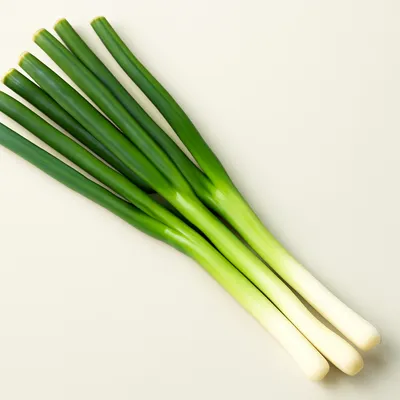
The sea bream is firm and clean, its lean white flesh flaking off the bone in sweet, savory leaves that have drunk up the soy-and-mirin broth. The somen beneath are cold and silky, slippery against the warm fish, and they catch the dark, glossy broth that pools at the bottom of the platter. Kinshi-tamago, shredded shiitake and a scatter of scallion add gold, earth and a green snap. The contrast of warm braised fish over cold noodles, set out whole on one shared platter, makes it feel as much a centrepiece as a meal.
Madai is a lean white fish — around 20 g of protein and only about 6 g of fat per 100 g — so its taste is clean rather than rich, built on free glutamate and inosinate, the savory nucleotide that breaks down slowly in sea bream and lets the fish hold its flavor. Simmering the whole fish, head and bones included, draws gelatin and these umami compounds out into the broth, which is then reduced with soy, mirin and sake into a concentrated tare; poured over the noodles, it seasons them with the fish's own savor. The somen are boiled, then shocked and rinsed in cold water, which halts the cooking and rinses off surface starch so the strands stay separate, firm and slick rather than soft and clumping — the cold, taut noodle set deliberately against the warm, yielding fish.
Variations
Presentation and garnish shift by area: in the Nanyo region the platter is dressed with kinshi-tamago, shredded shiitake and condiments, while around Matsuyama colored five-hue somen are sometimes used for the wave effect. In Uwajima it may be set out beside fukumen, another local festive dish, as a paired spread. The sea bream can be served fully simmered or, in some homes, half-cooked and finished at the table. Closely related is tai-meshi, Ehime's sea-bream rice, which uses the same prized madai but pairs it with grains instead of noodles.
On the Palate
Where Tai-somen sits in the Japanese flavor cloud
Ingredients
Serves 6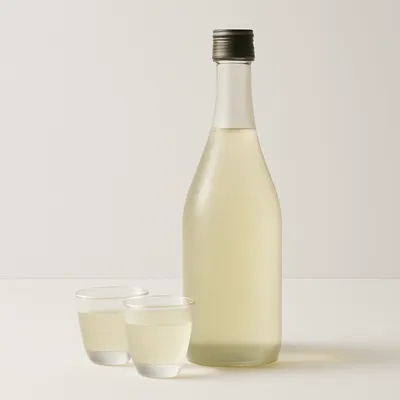


How it's made
6 steps · 30 min
- 115 min
Scale, gut and clean a whole red sea bream, then score it and pour boiling water over to firm the skin and rinse away surface scum.
Watch outPour boiling water over the scored fish to firm the skin and rinse off the surface scum — skip it and the broth turns cloudy and fishy-smelling.
- 220 min
Lay the whole fish in a wide pan and simmer gently in dashi seasoned with soy sauce, mirin and sake until just cooked through.
- 310 min
Lift the fish out carefully, keeping it whole, and reduce the broth into a concentrated, glossy tare.
- 415 min
Make the garnishes: shred soaked shiitake and simmer in a little broth, fry thin egg sheets and slice into kinshi-tamago, and chop the scallion.
- 510 min
Boil the somen until just tender, then shock and rinse in cold water, drain well and arrange on a platter in wave-like ripples.
Watch outBoil the somen just tender, then shock and rinse in cold water — the cold stops the cooking and washes off surface starch so the strands stay springy and separate, not gummy.
- 65 min
Set the whole sea bream over the noodles, scatter the garnishes, and spoon the reduced broth over fish and somen to serve.
Archive tool suggestions — not reviewed
These legacy suggestions have not been evidence-reviewed and are not presented as required tools.