
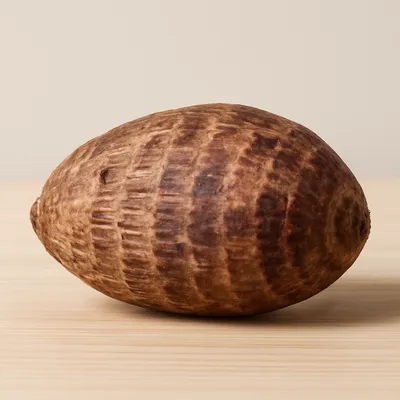
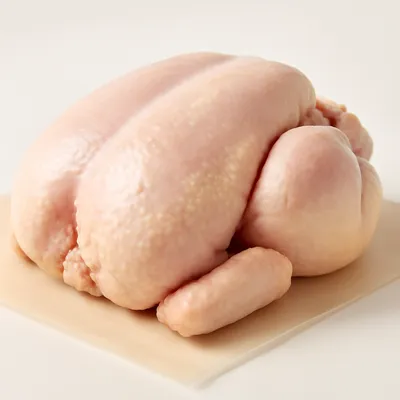
Imotaki is the autumn taro hot-pot of Ehime Prefecture on Shikoku, simmered communally outdoors on the dry gravel beds of rivers under the harvest moon. Sato-imo (taro), the season's first crop, is the heart of the pot, stewed with chicken, konnyaku, dried shiitake and aburaage in a dashi broth seasoned with soy sauce, mirin and sake. Each family or group gathers around its own pot on the riverbank, eating and drinking late into the evening, so the dish is as much a seasonal social event as a recipe. It should not be confused with imoni, the taro-and-beef river hot-pot of the Tohoku region in the north, which is a separate tradition.


Imotaki is documented as having begun in Ozu (Ozu City) in southern central Ehime, where the custom is traced back more than 350 years to the era of the Kato clan, the local domain lords. It is said to have grown out of a communal devotional gathering called okomori, to which people brought taro from their own neighborhoods to cook together in a shared pot. In 1966 Ozu turned the riverside gathering into an official tourism event, held on the gravel bed of the Hijikawa beneath the lit Garyu Sanso villa; at its peak it drew well over 70,000 visitors in a season. The custom spread across Ehime, with large gatherings also held in cities such as Niihama, and is now counted among the prefecture's defining mid-autumn scenes.
The taro is the prize: soft and creamy at the center with a faint chestnut sweetness, its surface left just slightly slippery so it slides off the chopsticks. The broth is clear amber and gently sweet-savory, fragrant with dried shiitake and the chicken's fat, soaking into every piece. Konnyaku adds a cool, springy chew and the aburaage drinks up the stock. Eaten outdoors in the autumn night air, it is warming, homely and unhurried.
Taro's character comes from its starch and its slippery coat. The slime is built largely of galactan and mucilage, which thickens when heated; a light pre-salting or rinse removes enough of it to let the broth soak in, while leaving a little keeps the taro's signature slick, melting texture. The starchy flesh gelatinizes as it stews, turning creamy without falling apart if the pot is held at a bare simmer rather than a hard boil. The broth itself is an umami stack: kombu and bonito dashi for glutamate and inosinate, plus dried shiitake (which carry guanylate) and chicken bones, so the savory compounds multiply against one another and steep slowly into the porous taro and aburaage.
Variations
Recipes vary by town and family: some pots lean on chicken, others add beef, pork, or local mushrooms, and the seasoning ranges from a light, clear soy broth in the south to a sweeter, darker one elsewhere. Niihama's version is known for a sweeter broth and the addition of ingredients like fish cake and harusame. Many gatherings finish the pot by cooking udon or rice in the remaining broth to soak up the concentrated stock. Commercial 'imotaki sauce' is sold across Ehime each autumn so households can recreate the riverside pot at home.
On the Palate
Where Imotaki sits in the Japanese flavor cloud
Ingredients
Serves 6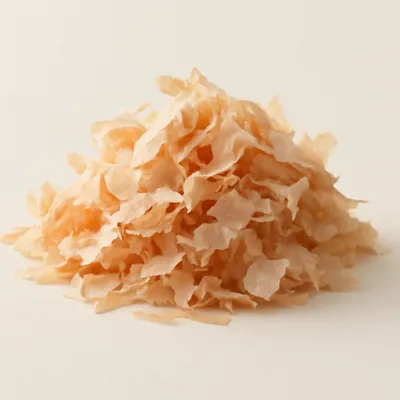

How it's made
6 steps · 25 min
- 115 min
Scrub and peel the taro, then rub with a little salt and rinse to shed some of the slime so the broth can penetrate.
Watch outSalt-rub and rinse off just some of the taro's slime — shed enough so the broth soaks in, but leave a little for that signature slick, melting texture.
- 230 min
Soak the dried shiitake in cold water until soft; reserve the soaking water for the broth.
- 315 min
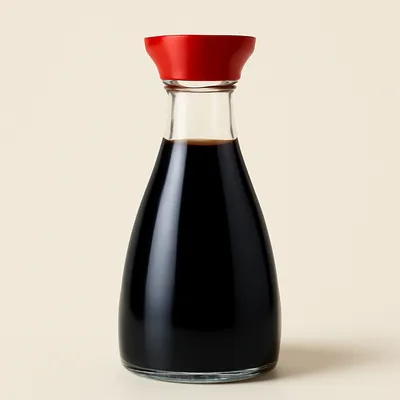
Build a dashi from kombu and bonito flakes, then season with soy sauce, mirin and sake.
- 410 min
Add the taro and chicken to the broth and bring to a bare simmer, skimming any scum.
- 530 min
Add the konnyaku, sliced shiitake and aburaage and simmer gently for about 30 minutes until the taro is creamy through.
Watch outHold at a bare simmer about 30 minutes until the taro's creamy through — a hard boil breaks the starchy flesh apart.
- 615 min
Hold the pot at a low simmer at the table, ladling broth over the ingredients, and finish by cooking udon in the leftover stock.
Archive tool suggestions — not reviewed
These legacy suggestions have not been evidence-reviewed and are not presented as required tools.


