

Named for the hot-spring (onsen) inns of central Japan where it originated centuries ago — eggs were placed in linen bags and lowered into the spring's natural 65–68°C pools, which sat at the perfect coagulation temperature. Modern kitchens replicate the bath in a temperature-controlled water pot. The reverse-set yolk is a quirk of egg-protein chemistry, not chef trickery.
Named for central Japan's hot-spring inns where eggs were lowered into 65-68°C natural pools in linen bags. Yolk proteins set at 65°C; whites need 70°C+ — holding the egg at 65-68°C for 30+ minutes thickens the yolk before the white can fully firm. The reverse-set is egg chemistry, not chef trickery.
An egg cracked into a small bowl: the white is barely set, milky and trembling; the yolk is fully thickened to the consistency of warm honey, holding its shape but flowing when broken. Served in a shallow dashi-soy broth, sometimes with grated daikon or scallion. Eat with a spoon — chopsticks won't catch it.
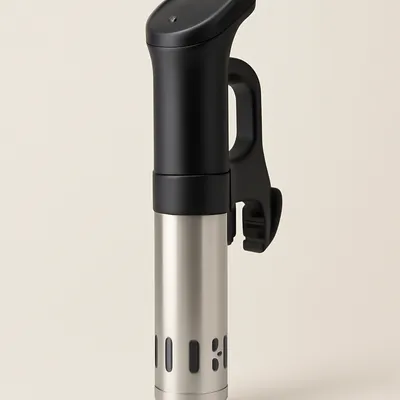
Yolk proteins begin coagulating at 65°C; whites need 70°C+ for full set. Holding the egg at 65–68°C for 30+ minutes thickens the yolk before the white can fully firm — the inverse of a normal soft-boil. Above 70°C the window collapses and you get a regular poach. Sous-vide kitchens hit it dead-on.
Variations
Plain in dashi-soy with grated daikon (canonical); on hot rice as a tamago-kake-gohan substitute; topping for tsukemen and mazemen; Hakone-onsen black-shell eggs are a related but different process (sulfur-pool boil, fully hard).
On the Palate
Where Onsen Tamago sits in the Japanese flavor cloud
Ingredients

How it's made
6 steps · 30 min
- 15 min
Heat water to 70°C in a pan.
Watch outBring the water to 70 degrees and hold it steady — this is a hold, not a boil; too hot and the whole thing sets like a normal poach, so watch the temp doesn't creep past it.
- 25 min
Gently place eggs in the water and maintain the temperature for 20 minutes.
Watch outKeep the eggs in a good twenty minutes at that steady heat — the yolk should thicken to a soft cream while the white stays barely, jelly-loose; that's the reverse of a normal soft-boil, so don't rush them out.
- 35 min
Remove eggs and let them cool slightly.
- 45 min
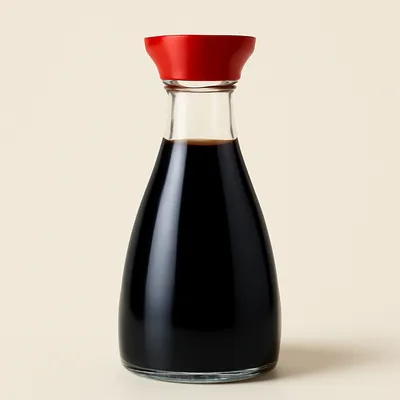
Prepare a light broth using dashi, soy sauce, and mirin.
- 515 min
Crack the eggs into a bowl and pour the warm broth over them.
- 62 min
Garnish with sliced green onions before serving.
Archive tool suggestions — not reviewed
These legacy suggestions have not been evidence-reviewed and are not presented as required tools.