


Originated around 1665 in the village of Inaniwa, in what's now Yuzawa City, Akita prefecture. The recipe was a closely guarded family secret, taught only to one son per generation by the founding Inaniwa Kichizaemon household, and was used as tribute to the local Satake daimyo for over 200 years. The technique was finally passed outside the family in 1860, when Kichizaemon taught the second-generation Sato Yosuke, and to outside producers only in the postwar era — most authentic Inaniwa is still made by a handful of Yuzawa family workshops.
Akita 1665 invention from the Sato household, taught one son per generation as Satake daimyo tribute for over 200 years. Hand-stretched on twin sticks (te-nobe) over 3-4 days — that's why it snaps clean instead of chewing tough.
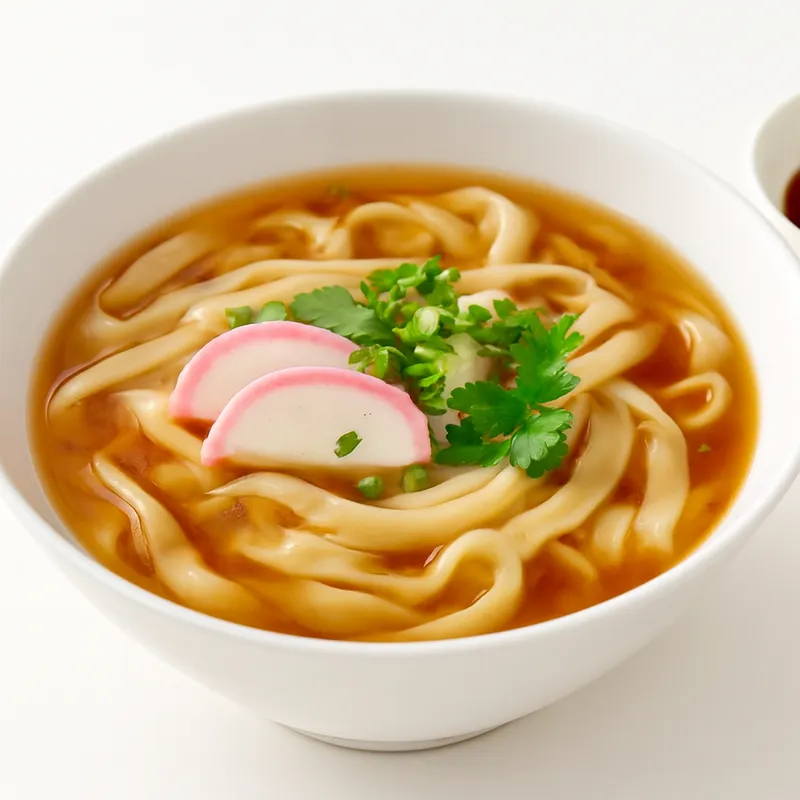
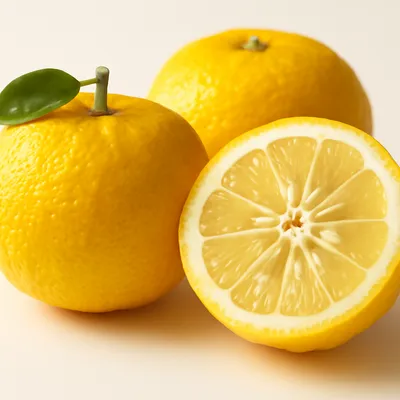
Pale, thin udon — about 1.5 mm wide, half the thickness of standard Sanuki udon — served chilled in summer with a dipping sauce, or warm in a clear dashi in winter. The texture is unusually smooth and slippery, with a quiet snap rather than the heavy chew of thicker udon. Yuzu peel and grated daikon on the side. Eaten in small bundles dipped into tsuyu.
The defining technique is hand-stretching with a stick (te-nobe), not cutting. The dough is rolled into ropes, oiled, twisted around two parallel sticks, and stretched in stages over 3-4 days, with rests between to let the gluten relax. The repeated stretching aligns the gluten parallel to the noodle's length — that's why Inaniwa is smooth and snaps clean rather than chewing tough. Cut udon (Sanuki) can never replicate the texture.
Variations
Sato Yosuke (since 1860) is the founding lineage and still Yuzawa's benchmark; Kanbun Gonen Do runs a more commercial line; cut Sanuki udon cannot replicate the te-nobe texture no matter the flour.
On the Palate
Where Inaniwa Udon sits in the Japanese flavor cloud
Ingredients

How it's made
5 steps · 20 min
- 12 min
Cook Inaniwa udon noodles in boiling water until tender, then rinse in cold water.
Watch outBoil just until the noodles turn smooth and translucent, then shock in cold water — Inaniwa is thin and overcooks fast, and the cold rinse is what makes it snap clean.
- 22 min
Prepare dashi by simmering kombu and bonito flakes, then strain.
- 35 min
Add soy sauce and mirin to the dashi for flavor.
- 45 min
Reheat noodles briefly in the broth before serving.
Watch outWarm the noodles in the broth only a few seconds before serving — leave them in and they go soft, losing the clean snap that defines them.
- 52 min
Garnish with green onions and yuzu zest before serving.
Archive tool suggestions — not reviewed
These legacy suggestions have not been evidence-reviewed and are not presented as required tools.