

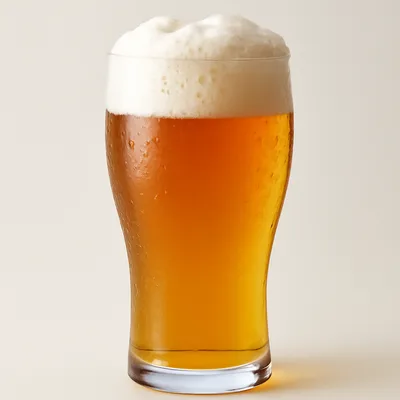

Created around 1929 in Shinsekai, a working-class Osaka district near Tsutenkaku tower, by a woman named Hyakuno Yoshie, whose stall was originally called Tako-bishi (the Daruma name came only after WWII), feeding day laborers cheap fried protein on sticks. The communal sauce jug is a holdover from that era — and the no-double-dip rule is a hygiene pact, not folklore. Tokyo's kushiage is a fancier descendant; Osaka kushikatsu stays cheap, fast, beer-counter food.
Daruma stall, Shinsekai 1929 — fried protein on bamboo sticks for Osaka day laborers. The communal sauce jug and no-double-dip rule are a hygiene pact, not folklore. Panko shatters; flour breaks off in slabs.
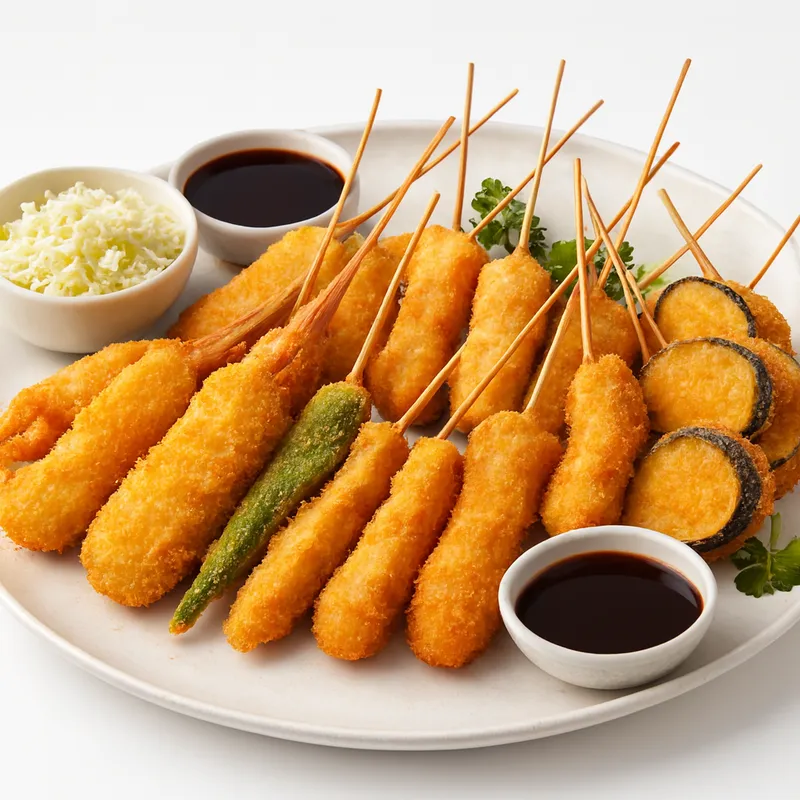
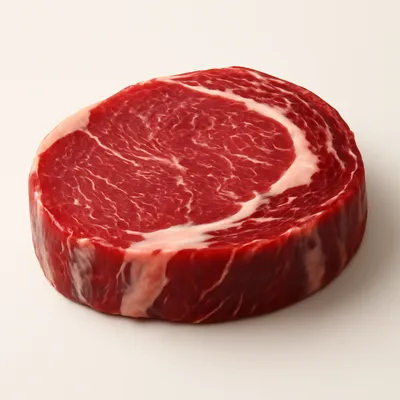
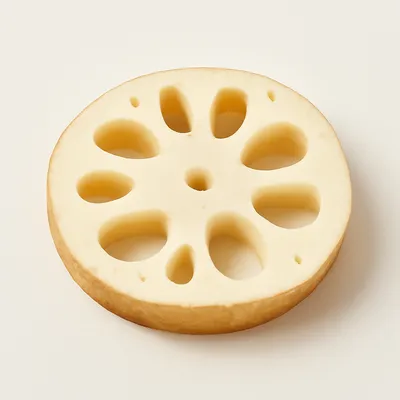
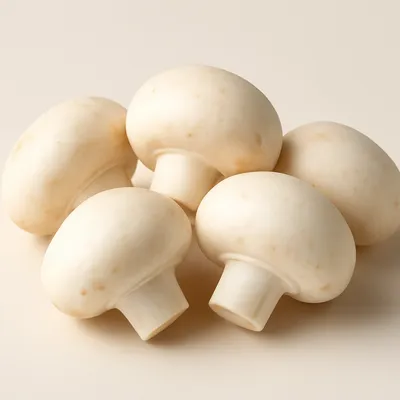
Bamboo skewers of beef, pork, quail egg, lotus root, mushroom, asparagus, each rolled in flour, egg, panko and dropped into oil till the crust is pale gold. Served standing up in a glass. You dip once into a shared jug of thin Worcestershire-style sauce — and only once. Double-dipping is the cardinal sin posted on every Shinsekai counter.
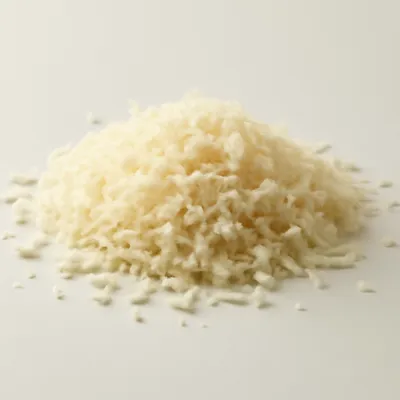
Panko is the load-bearing detail — Japanese panko is shredded, not ground, so the crust shatters instead of breaking off in slabs. Oil at 170–175°C, no hotter; too hot and the crust browns before the lotus root or thick beef cooks through. The sauce is intentionally thin so the crust stays crisp after the dip — a thick sauce would soak in and turn the skewer soggy.
Variations
Daruma is still the Shinsekai original; Yaekatsu runs gourmet beef-fillet skewers; Tokyo's kushiage uses a finer crumb and individual sauces per skewer (no shared jug); Nagoya's miso-kushikatsu dunks them in hatcho miso.
On the Palate
Where Kushikatsu sits in the Japanese flavor cloud
Ingredients



How it's made
5 steps · 45 min
- 110 min
Cut pork, beef, and vegetables into bite-sized pieces and skewer them.
- 25 min
Dredge the skewers in flour, dip in beaten egg, and coat with panko.
Watch outCoat in panko with a light hand, pressing just enough to stick — mash it on and the crust breaks off in slabs instead of shattering crisp.
- 320 min
Deep fry the skewers until golden brown and crispy.
Watch outHold the oil around 170 degrees — a skewer should sizzle steadily, not roar; too hot and the crust browns before the center cooks through.
- 45 min
Drain on paper towels to remove excess oil.
- 55 min
Serve hot with Worcestershire sauce for dipping.
Archive tool suggestions — not reviewed
These legacy suggestions have not been evidence-reviewed and are not presented as required tools.