


Agedashi tofu has roots in Edo-era (17th–19th century) shojin ryori — Buddhist temple cuisine that needed protein-rich vegetarian dishes — and likely refined through Kyoto temple kitchens before spreading to general home and izakaya cooking. The name literally means 'fried-and-broth-served.' The technique itself is older; what's specific to agedashi is the contrast between hot crisp coating and savory liquid pour — engineered to register both textures at once.
Edo-era (17th-19th c.) shojin ryori roots, refined in Kyoto temple kitchens. Potato starch (katakuriko), not flour — flour goes leathery in dashi within seconds. Sauce served at about 70°C, not boiling, or the crust dissolves on contact.
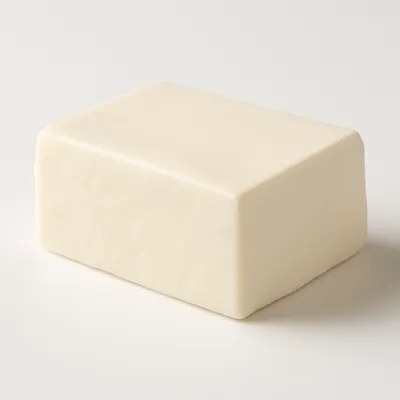
Cubes of silken tofu dusted in potato starch and deep-fried, then dunked into a shallow pool of warm dashi-shoyu-mirin sauce just before serving. Crust is thin, almost crackling; inside stays scalding silk. Topped with grated daikon, ginger, scallion, and a pinch of katsuobushi that flutters from the heat. Eat immediately — sit on it five minutes and the crust goes soggy.
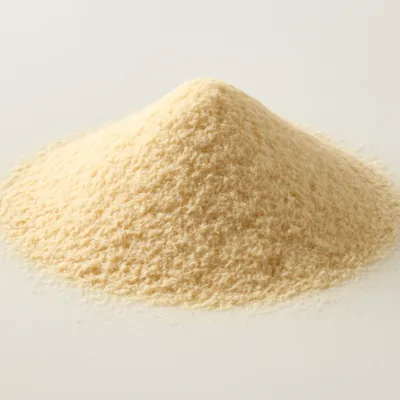
Potato starch (katakuriko) is non-negotiable — it crisps glassy and stays crisp longer than wheat flour, which goes leathery once dipped in dashi. The tofu must be drained on paper for 15–20 minutes first or the starch slips off when fried. Sauce temperature is the other tell: it should be warm (about 70°C), not hot — boiling sauce dissolves the crust on contact, cold sauce wastes the contrast.
Variations
Kyoto kaiseki houses like Shoraian (above the Togetsukyo Bridge in Arashiyama) keep a refined, restrained form, serving agedashi made with local Saga tofu and a bonito dashi; Tokyo izakaya plate it with a heavier mentsuyu and mountain of grated daikon; Kyoritsuya in Gion uses house-made silken from soybeans pressed that morning; modern fusion shops sub yuzu kosho for the daikon.
On the Palate
Where Agedashi Tofu sits in the Japanese flavor cloud
Ingredients



How it's made
5 steps · 25 min
- 14 min
Cut tofu into cubes and coat with wheat flour and potato starch.
Watch outDrain the tofu on paper 15–20 minutes before coating — wet tofu and the potato starch just slides off in the oil.
- 28 min
Fry the tofu until golden brown and crispy.
Watch outFry until the potato-starch crust turns glassy and pale gold — that shell stays crisp under the dashi far longer than a flour coat.
- 35 min
Prepare a sauce by simmering dashi, soy sauce, and mirin.
- 42 min
Serve the fried tofu with the sauce poured over it.
Watch outPour the sauce warm, not boiling — about 70 degrees; boiling sauce melts the crust on contact, cold sauce kills the contrast.
- 55 min
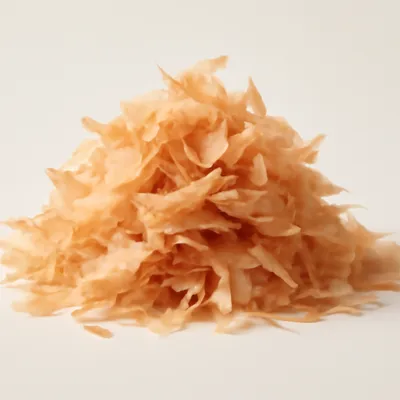
Top with grated daikon, green onions, and bonito flakes.
Archive tool suggestions — not reviewed
These legacy suggestions have not been evidence-reviewed and are not presented as required tools.