
Ohitashi is a core washoku side of leafy greens blanched, cooled, and steeped in a light dashi-soy broth, then served cool with a topping of katsuobushi (dried bonito flakes). Spinach and komatsuna are the classic greens, though chrysanthemum leaves (shungiku), mustard greens, and others are treated the same way. Where goma-ae coats the greens in a thick sesame dressing, ohitashi lets them soak up a thin, savory broth so they taste cleanly of the vegetable lifted by dashi. It is served in a small bowl, often with a little of the steeping broth, and is a make-ahead staple of home meals, ryokan breakfasts, and izakaya menus.
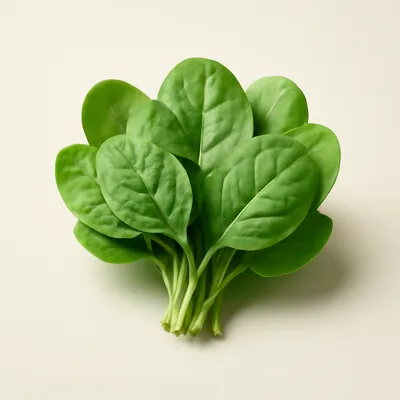





The name comes from the verb hitasu, 'to soak or steep,' written with the honorific o- as ohitashi (also just hitashi) — that is, 'the steeped thing,' describing the method of soaking blanched greens in seasoned dashi. It is a long-standing everyday preparation of the washoku table rather than a dish with a recorded inventor or birthplace; dashi-steeped vegetables are basic Japanese home cooking. Komatsuna, one of the classic greens, takes its name from the Komatsugawa area of what is now Edogawa, Tokyo, where it was grown. In modern home cooking the broth is frequently simplified to bottled mentsuyu or shiro-dashi, but the principle is unchanged: greens that drink in a dashi-based liquid and are served cool.
Cool and gentle, ohitashi tastes first of clean green vegetable, then of the savory dashi it has soaked up, with only a whisper of soy-sauce salt. The greens are tender and yielding but still hold a little structure in the stems, not mushy. The katsuobushi on top is the finishing note: the warmth of the dish makes the thin flakes curl and quiver, and they melt onto the tongue with a smoky, deeply savory hit. A good ohitashi is moist and broth-soaked without being watery; over-boiled greens go slack and lose both color and bite.
Two things make ohitashi work. First, the blanching: greens are dropped into salted boiling water only briefly and then shocked in cold water, which sets the chlorophyll for a vivid green, halts the cooking before they overcook, and softens them just enough to drink in liquid; they are then wrung out so they absorb broth rather than dilute it. Second, the broth itself, which carries the flavor by umami synergy — kombu in the dashi supplies glutamate while katsuobushi supplies inosinate, and the two together produce a savory effect far stronger than either alone, lightly seasoned with soy sauce and mirin. Because the greens are steeped while the seasoned dashi is cool, they take on flavor slowly without further cooking, and the bonito topping is added at the end so it stays aromatic. Serving cool keeps the dish refreshing and lets the dashi flavor read clearly.
Variations
Spinach (horenso) and komatsuna are the classics, but shungiku (chrysanthemum greens), mustard greens, mizuna, bean sprouts, okra, and other vegetables are all made into ohitashi. The topping varies — katsuobushi most often, sometimes toasted sesame, grated ginger, or a strip of yuzu zest. The broth ranges from a properly made kombu-katsuobushi dashi seasoned with soy and mirin to a quick version with bottled mentsuyu or shiro-dashi. The dish shades into the broader category of dressed greens alongside goma-ae (sesame-dressed) and aemono generally; a near-identical preparation finished mainly with soy and bonito rather than steeped in dashi is sometimes called o-hitashi as well.
On the Palate
Where Ohitashi sits in the Japanese flavor cloud
Ingredients
Serves 4
How it's made
8 steps · 15 min
- 18 min
Make a light dashi (kombu and katsuobushi), season it lightly with soy sauce and mirin, and let it cool.
- 23 min
Bring a pot of water to a boil with a pinch of salt and prepare a bowl of ice water.
- 31 min
Blanch the greens briefly, stems first for about 30 seconds, then the leaves for another 20-30 seconds, just until wilted and bright.
Watch outBlanch the greens only briefly, stems first, until just wilted and bright — over-boil and they go drab and mushy and dilute the broth.
- 41 min
Lift the greens into the ice water to stop the cooking and set their color, then drain.
- 52 min
Gather the greens and squeeze them firmly to wring out the water, then cut into 4-5 cm lengths.
Watch outSqueeze the blanched greens firmly dry before steeping — waterlogged greens dilute the dashi instead of drinking it in.
- 61 min
Place the greens in a shallow dish and pour the cooled seasoned dashi over them.
- 718 min
Let them steep at least 15-20 minutes (or chill longer) so they absorb the broth.
- 81 min
Lift the greens into small bowls with a little of the broth and top with a generous pinch of katsuobushi just before serving.
Archive tool suggestions — not reviewed
These legacy suggestions have not been evidence-reviewed and are not presented as required tools.


