



Emerged in late Edo period (early-to-mid 19th century) Tokyo, when tempura yatai stalls began offering their tempura over rice as a portable cheap meal. The originator is disputed — claims point to a soba-yatai precursor of Shimbashi's Hashizen (c.1831) and to Asakusa's Sansada (founded 1837), the latter being the oldest surviving tempura shop in Japan. Sansada's founder Sadakichi first set up his tempura stall in Nihonbashi's Ningyocho, not Asakusa. The dish belongs to Edomae cuisine — tempura batter and tentsuyu both rely on dashi from Tokyo Bay's fish, and the speed-eating culture matches Edo's working-class pace.
Late-Edo Tokyo street food — Sansada in Asakusa (founded 1837) was already plating tempura over rice by mid-19th century. Tentsuyu has to hit the bowl at the moment of plating; a tendon you eat slowly stops being tendon.
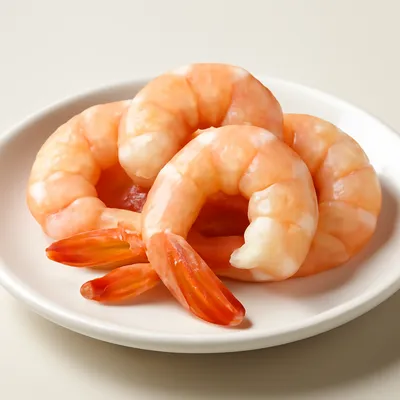
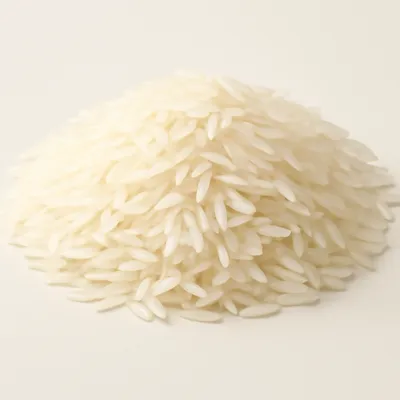
A bowl of rice topped with two or three pieces of just-fried tempura — typically a head-on shrimp, a slice of kabocha or kakiage — drenched in tentsuyu (a sweeter, thicker dashi-soy-mirin sauce than the dipping kind). The batter goes from shatter-crisp to softened at the rice contact point. Eaten in 5-7 minutes before the batter fully sogs. A tendon you eat slowly stops being tendon.
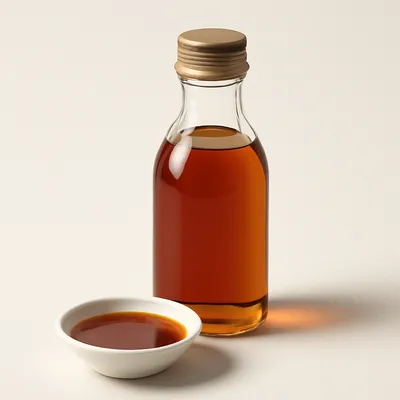
Tentsuyu must be applied at the moment of plating — not from a bottle, not in advance. Shops dip each tempura piece briefly in hot tare and drape it over rice; the heat-thinned sauce penetrates the batter unevenly, which is the textural point. Soaking tempura fully in cold sauce produces uniform soggy mush. The tempura oil also matters: pure sesame for old-Tokyo shops, blend for modern — sesame oil's smoke-darkening is what makes Edomae tempura visibly browner than Kansai's.
Variations
Asakusa shops like Sansada use sesame-blend oil for the dark Edomae crust; Ginza Tenkuni runs lighter cottonseed; Nagoya tendon dunks the whole tempura in tare; Kakiage-don swaps single tempura for a vegetable fritter.
On the Palate
Where Tendon sits in the Japanese flavor cloud
Ingredients


How it's made
5 steps · 40 min
- 15 min
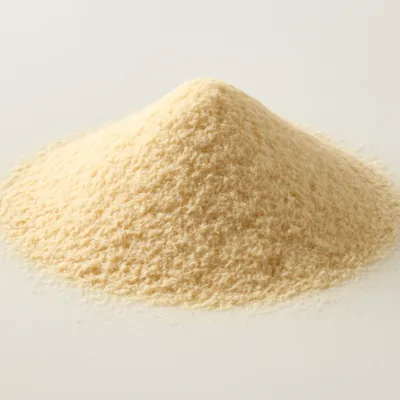
Prepare tempura batter using wheat flour and cold water.
- 28 min
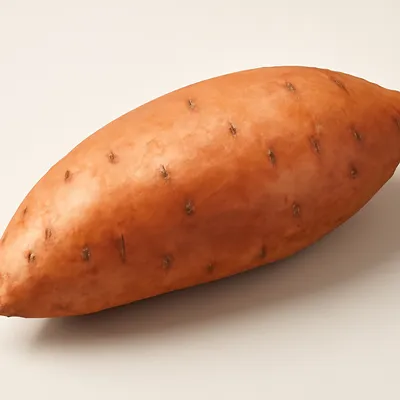
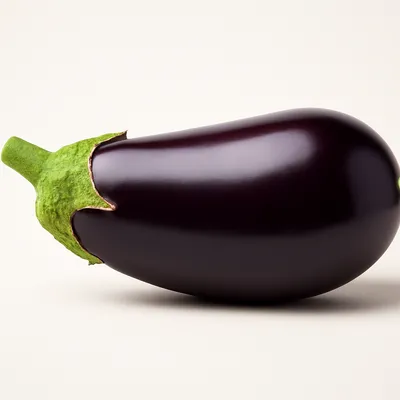
Dip shrimp, sweet potato, and eggplant in the batter, and deep fry until golden and crispy.
Watch outPull the tempura when the bubbling quiets and it floats up golden — that's the batter dry and crisp; a heavy fizz means it's still full of water inside.
- 33 min
Mix dashi, soy sauce, and mirin to create a sauce.
- 42 min
Drizzle the sauce over the tempura.
Watch outDip each piece in hot tare and drape it — don't drown it. The heat-thinned sauce should soak in unevenly so the top stays crisp; a full soak turns everything soggy.
- 52 min
Serve the tempura over a bowl of steamed rice.
Archive tool suggestions — not reviewed
These legacy suggestions have not been evidence-reviewed and are not presented as required tools.


