
Wappa-meshi is a Niigata specialty of seasoned rice steamed inside a round bentwood box. Dashi-seasoned Koshihikari rice is heaped into a magewappa, a vessel made by bending a thin shaving of cedar into a hoop, topped with ingredients such as flaked salmon, salmon roe, vegetables, or crab, and then set over steam so that the rice cooks and warms through inside the wood. The cedar both perfumes the rice and wicks away excess moisture, leaving the grains fragrant and fluffy. It is the signature dish of Niigata City's old town, served bubbling-hot in its wooden box, and a celebrated example of how the rice culture of Japan's leading Koshihikari region is dressed up for the table.
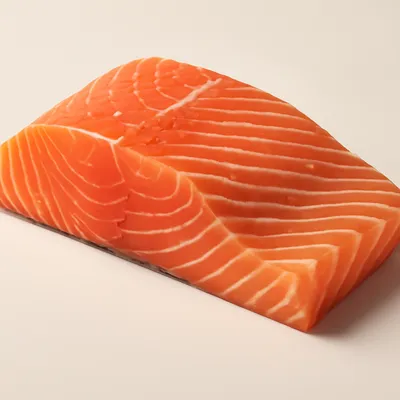



Wappa-meshi takes its name from the wappa, a round box bent from a paper-thin shaving of cedar or cypress, a woodcraft long used in Japan for lunch boxes and serving vessels. As a restaurant dish it is closely associated with Inakaya, an establishment in the Furumachi quarter of Niigata City founded in 1956 and widely credited as the originator of restaurant wappa-meshi. By the restaurant's own account its founder trained at the Ginza sushi house Kyubei before returning to Niigata, and the celebrated artist-gourmet Kitaoji Rosanjin, who had taken an interest in him during those years, is said to have helped conceive the wappa-meshi. The dish marries two strengths of the region: Niigata's status as Japan's foremost producer of Koshihikari rice, and the local abundance of salmon, whose flesh and roe are the classic topping.
Lifting the lid releases a curl of cedar-scented steam over rice that is glossy and golden with dashi. The grains are fluffy and distinct, each one seasoned through yet never wet, carrying a clean coniferous fragrance from the box. Salmon flakes are warm and savoury, the roe bursts in small salty-sweet pops, and the vegetables stay tender. Eaten straight from the hot wooden box, it is comforting and aromatic, the wood's perfume lingering on every mouthful.
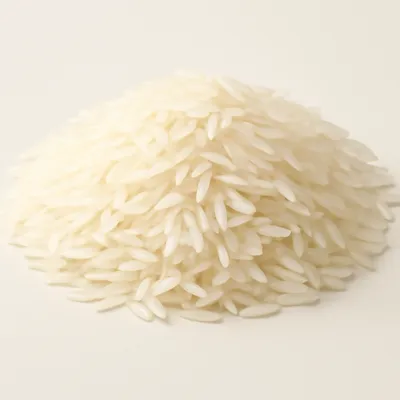
Steaming rice inside cedar is the whole trick. The thin bentwood wall is permeable and hygroscopic: as the rice steams, the wood absorbs surplus surface moisture from the grains and buffers humidity inside the box, so the rice sets fluffy and separate rather than gluey, and stays that way even as it cools. At the same time heat and steam volatilise aromatic terpenes in the cedar — compounds such as the cedrol and sesquiterpenes that give sugi its scent — which migrate into the rice and give wappa-meshi its signature fragrance. Pre-seasoning the rice with dashi loads it with glutamate and inosinate, the paired umami of kombu and bonito, while salmon and roe add their own savour and a burst of salt. Koshihikari suits the box for its high amylopectin content and strong water retention, which keep the grains moist and glossy under steam without turning watery, and the gentle, even heat of steaming avoids the scorched bottom that a direct flame would give.
Variations
Toppings range with the season and the cook: the salmon-and-roe combination is classic to Niigata, but crab, chicken, mountain vegetables, ikura over hard-cooked egg, or simply a spread of mixed vegetables all appear, and some houses dress the box like a chirashi of assorted seafood. Beyond Niigata the bentwood box is shared with the wappa-meshi of the Aizu region of Fukushima, and the same magewappa craft underlies countless cold bento boxes across the country. Mass-market and station-bento versions are often assembled in disposable wood-look boxes and steamed or simply filled hot, but the defining restaurant style remains rice steamed to order in a real cedar wappa.
On the Palate
Where Wappa-meshi sits in the Japanese flavor cloud
Ingredients
Serves 2
How it's made
7 steps · 25 min active + 35 min waiting
- 120 min
Rinse 300g Koshihikari rice until the water runs clear, then drain in a sieve for 20 minutes.
- 215 min
Combine the rice with 330ml dashi, 1 tbsp soy sauce, 1 tbsp mirin, and a pinch of salt, and cook to firm, just-done rice (slightly under fully fluffy).
Watch outCook the dashi-seasoned rice slightly firm and just-done, a touch under fully fluffy — it steams again in the box, so full-cooked now means gummy later.
- 35 min
While the rice cooks, flake 120g cooked salmon, slice any vegetables, and have salmon roe ready.
- 43 min
Pack the hot seasoned rice loosely into two cedar magewappa boxes, filling them about three-quarters full.
- 53 min
Arrange the salmon flakes and vegetables over the rice, cover the boxes, and set them in a steamer over rapidly boiling water.
- 610 min
Steam for about 10 minutes until the rice is heated through and the cedar fragrance comes up.
Watch outSteam about 10 minutes until the cedar fragrance comes up — that rising scent means the wood's terpenes have migrated into the rice.
- 72 min
Lift the lids, top with salmon roe, and serve at once in the hot wooden boxes.
Archive tool suggestions — not reviewed
These legacy suggestions have not been evidence-reviewed and are not presented as required tools.


