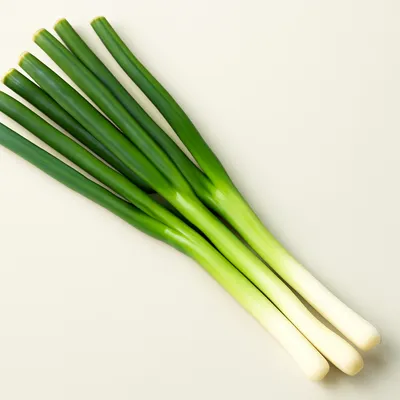
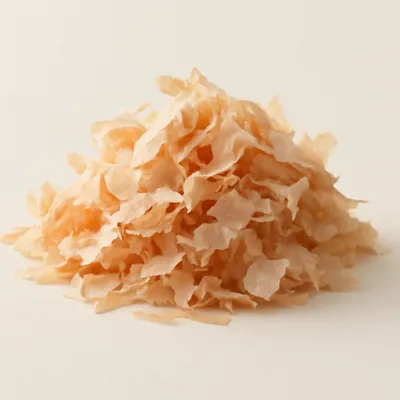
Atsuage is a thick block of tofu deep-fried so that the outside sets into a firm, golden, slightly chewy skin while the inside stays soft and tofu-like, never frying all the way through. As an izakaya plate it is most often grilled or warmed and served simply, brushed with soy or topped with grated ginger, scallion, and bonito flakes, or simmered in dashi; the firm crust holds its shape and soaks up sauce where plain tofu would fall apart. Because it is fried only once and not through, it is also called namaage, 'raw-fried,' the two names meaning the same thing. It is a humble, inexpensive staple that turns up in hot pot, simmered dishes, and on the grill.



Atsuage belongs to the long tradition of aburage, the deep-frying of tofu in Japan, and has no single recorded inventor; it is distinguished from thin abura-age (also called usuage) by being a thick block fried just once so the centre stays tofu-soft, whereas thin abura-age is sliced and double-fried until hollow and fully set. Frying tofu has practical roots: the oil firms a fragile food into something that holds its shape, keeps longer, and carries flavour, and fried-tofu products became fixtures of everyday Japanese cooking. As an izakaya dish, grilled or simmered atsuage sits comfortably in the same casual, inexpensive register as other tofu plates such as cold hiyayakko and broth-soaked agedashi tofu — but it is a distinct preparation: agedashi tofu is small cubes lightly coated and bathed in dashi, while atsuage is a thick block fried directly with no coating.
The pleasure of atsuage is the contrast between a firm, slightly chewy, golden-fried skin and a soft, warm, custardy interior that still tastes clearly of tofu and soy. Grilled, the surface crisps and chars a little and turns nutty; warmed through, it stays tender and almost juicy with the oil and any dashi it has absorbed. Grated ginger and scallion cut the richness, soy and bonito add savour, and the whole thing is mild, comforting, and faintly beany. It is best hot; left to cool the fried skin loses its crisp edge and the oil reads heavier on the palate.
The block is fried in hot oil at roughly 180–200°C, and the trick is that only the outside cooks hard: the surface proteins and starches dehydrate and brown into a firm, chewy skin while the moisture inside protects the centre, which only warms and stays soft. Because the tofu is well drained first, less water hits the oil and the crust sets cleaner and crisper. That firm skin is structurally important — it lets atsuage hold its shape in simmering dishes and on the grill, where untreated soft tofu would slump and break, and it acts like a sponge wall that lets sauce and dashi soak in without the block disintegrating. Grilling later drives off surface oil, re-crisps the skin, and adds Maillard char and a toasty aroma; a quick blanch or hot-water rinse (abura-nuki) before cooking removes excess surface oil so seasonings penetrate and the dish tastes cleaner.
Variations
The simplest izakaya treatments are grilled (yaki-atsuage) brushed with soy and topped with ginger, scallion, and bonito, or simmered in dashi with vegetables. It is a standard ingredient in oden and other simmered pots, in nikujaga-style dishes, and in miso soup. A popular home and pub variant is atsuage stuffed or topped with miso and grilled, or fried again briefly and dressed like agedashi tofu in dashi sauce. Filled versions tuck cheese, kimchi, or natto into a slit in the block before grilling. Thin abura-age is the closely related but distinct thin, hollow fried tofu used for inari-zushi and miso soup.
On the Palate
Where Atsuage sits in the Japanese flavor cloud
Ingredients
Serves 2

How it's made
7 steps · 12 min active + 3 min waiting
- 13 min
Press the tofu block to drain excess water, then cut into a thick slab or two pieces about 3 cm thick
Watch outPress the tofu well before frying — less water hitting the oil means a cleaner, crisper crust and no violent spattering.
- 25 min
Heat frying oil to 180–200°C and deep-fry the block, turning, until the surface is firm and golden but the centre stays soft; drain
Watch outFry at 180 to 200 degrees so only the outside sets firm and golden while the center stays soft — that skin lets it hold shape in later simmering, where raw tofu would slump.
- 32 min
Rinse the fried block briefly in hot water or blanch to remove excess surface oil
- 43 min
To serve grilled, set the block on a hot grill or pan and char the surface lightly on both sides
- 53 min
Brush with soy sauce, or alternatively warm gently in a dashi-soy-mirin broth until heated through
- 61 min
Top with grated ginger, sliced scallion, and a pinch of bonito flakes
- 71 min
Serve hot, with extra soy on the side
Archive tool suggestions — not reviewed
These legacy suggestions have not been evidence-reviewed and are not presented as required tools.