Chicken nanban is a dish from Miyazaki Prefecture in Kyushu: chicken, usually thigh or breast, is floured or battered and deep-fried, then dipped while hot into a sweet-and-sour vinegar sauce (the nanban tare) of vinegar, soy sauce, sugar, and often dried chili. The vinegar-dressed chicken is then commonly topped with a thick tartar sauce of chopped boiled egg, onion, and mayonnaise. It is served sliced over shredded cabbage with rice, and has spread from a Miyazaki local specialty to a nationwide staple carried by family-restaurant chains.






Chicken nanban is generally traced to Nobeoka City in Miyazaki, where it is said to have begun around 1960 as a staff meal at a Western-style restaurant, fried chicken simply dipped in vinegar sauce. Two Nobeoka restaurants are commonly named in its development: Ogura, opened by Kai Yoshimitsu in 1956 and selling the dish from about 1959, is widely credited with adding the tartar sauce that defines the popular form; the lineage often called London or Naochan is associated with the plainer vinegar-dipped version without tartar. The name borrows from nanban-zuke, an older preparation of fried fish marinated in vinegar and chili whose 'nanban' (Southern barbarian) label dates to trade with the Portuguese.
Freshly made, the fried chicken is crisp at the edges where the batter meets the air, then softens as the warm vinegar tare soaks in, so each piece is at once juicy, tangy, and sweet, with a faint chili warmth. The cool, creamy tartar sauce blankets it, its egg and onion adding richness and crunch against the sour-sweet meat. It is eaten hot, the sharp vinegar cutting the fried richness. A poor version is soggy throughout from sauce sitting too long, cloyingly sweet with no acid backbone, or dry inside from overcooked breast.
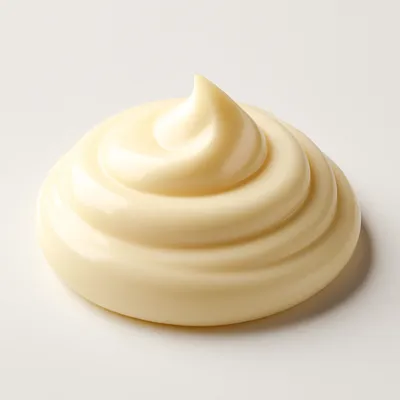
The dish works on a deliberate sequence of crisp, then soak, then cool topping. Frying browns the chicken's surface by Maillard reaction and renders thigh fat, building flavor and a crust. Dipping the hot, just-fried chicken into the vinegar tare lets the warm, porous crust drink up the sauce fast, so sweetness and acid penetrate rather than just coating; the vinegar's acidity also balances the fried fat and brightens the meat. The tartar sauce is a mayonnaise base, an oil-in-water emulsion held by egg yolk lecithin, loaded with chopped boiled egg and onion; spooned on cold, it contrasts the warm sour chicken in both temperature and texture. Thigh stays juicier than breast because its fat and connective tissue resist drying.
Variations
The defining split is tartar or none: the Ogura-style version is finished with generous tartar sauce, while the older Naochan-style serves the chicken dressed only in vinegar tare. Either thigh or breast may be used, breast being leaner and the Nobeoka original often using it. The chicken can be coated in a plain flour dusting, an egg batter, or breaded; the tare's balance of vinegar, sugar, soy, and chili varies by cook. As a B-class local food it is now made nationwide, and the family-restaurant chain Joyfull, founded in Miyazaki, helped spread it far beyond Kyushu.
On the Palate
Where Chicken Nanban sits in the Japanese flavor cloud
Ingredients
Serves 3

How it's made
8 steps · 30 min active + 10 min waiting
- 15 min
Make the nanban tare: warm vinegar, soy sauce, sugar, and a little dried chili until the sugar dissolves, then set aside.
- 28 min
Make the tartar sauce: chop boiled egg and onion, soak the onion briefly in water and drain, then mix with mayonnaise and a little vinegar; chill.
- 36 min
Cut the chicken into pieces, season, and coat in flour, or flour then beaten egg, for the crust.
- 46 min
Heat oil to about 170 to 180°C and deep-fry the chicken until golden and cooked through.
Watch outFry the chicken at 170-180C until golden and cooked through — the crust needs to be crisp and porous to drink up the vinegar sauce next.
- 53 min
Lift out, drain briefly, then dip each hot piece into the nanban tare so it soaks up the sauce.
Watch outDip each piece into the tare while still hot — the warm porous crust soaks the sweet-sour sauce right in, not just coats it.
- 61 min
Arrange the dressed chicken on shredded cabbage on the plate.
- 71 min
Spoon the cold tartar sauce generously over the chicken.
Watch outSpoon the tartar on cold — its cool creaminess against the warm, sauced chicken is the whole contrast of the dish.
- 81 min
Serve at once with rice while the chicken is still warm.
Archive tool suggestions — not reviewed
These legacy suggestions have not been evidence-reviewed and are not presented as required tools.