Menchi katsu is a yoshoku dish: a patty of minced meat, usually a blend of beef and pork, mixed with sauteed onion, salt, and pepper, then breaded in panko and deep-fried. It sits between two relatives, korokke (croquettes built on mashed potato) and tonkatsu (a whole breaded pork cutlet), differing from both in that its body is ground meat shaped into a patty. The fried patty is served with shredded cabbage and a thick Worcester-style or tonkatsu sauce. It is a butcher-shop and deli staple sold hot to take away, and also a home and diner main.



Menchi katsu is a Meiji-era yoshoku creation. It is most commonly credited to the Western-style restaurant Rengatei (founded 1895) in Tokyo's Ginza, which is said to have devised a minced version of its pork cutlet a few years after opening, around 1899. The name is a Japanese reshaping of the English words 'mince' and 'cutlet'; one well-known account holds that a Rengatei cook, asking a foreign customer the English word for ground meat, misheard 'mince' as 'menchi.' The term itself is said to have been popularized in the Kansai region in the early Showa period, where a Kobe butcher named the dish after the earlier 'menchi ball' (mince-ball / meatball); to this day eastern Japan says menchi katsu and western Japan says minchi katsu.
Bite through the crisp panko shell and the patty inside is soft, loose, and juicy, releasing savory meat juices and the sweetness of cooked onion; coarse panko crackles against a yielding, almost steamy center. It is far softer than the firm sliced muscle of tonkatsu, and meatier and looser than the smooth potato of a korokke. Eaten hot, a thick tangy-sweet sauce and a squeeze of mustard cut the richness, with cool shredded cabbage alongside. A poor one is dense and dry, or has burst in the oil and leaked its juices, or stays pink and cold at the core from too-hot, too-fast frying.
The texture depends on managing fat, moisture, and the seal. A beef-pork blend supplies both flavor and enough fat to stay moist, while the onion is sweated first to soften it and drive off raw harshness, adding moisture and sweetness; many cooks chill the formed patties so the fat firms and they hold shape. The patty is sealed in flour, egg, and coarse panko, whose open flake structure traps little oil and stays crisp. Frying around 170 to 180°C browns the crust by Maillard reaction and cooks the interior gently; if the oil is too hot the shell colors before the inside sets and the patty can split as trapped steam expands. Letting the meat rest briefly after frying lets the juices settle so they do not run out at the first cut.
Variations
Fillings vary: an all-beef patty gives a richer, more steak-like result, while more pork makes it softer and milder; chefs adjust the beef-to-pork ratio to taste. Some versions fold in chopped cartilage, cheese, or curry seasoning, or are shaped small and round as menchi katsu balls for deli cases. Western Japan's minchi katsu is the same dish under its regional name. It sits within a wider family of breaded, deep-fried yoshoku: korokke on mashed potato, kani korokke with crab, and tonkatsu, hire-katsu, and chicken katsu using whole cuts of meat.
On the Palate
Where Menchi Katsu sits in the Japanese flavor cloud
Ingredients
Serves 4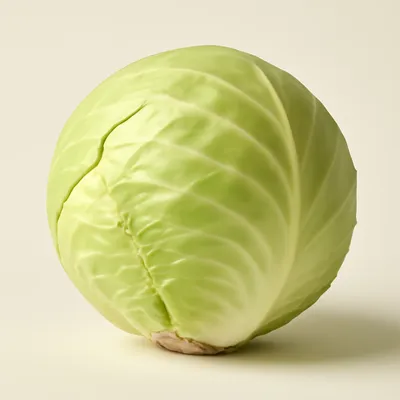

How it's made
8 steps · 30 min active + 10 min waiting
- 18 min
Finely chop the onion and sweat it in a little oil until soft and translucent, then let it cool completely.
Watch outSweat the onion until soft and translucent, then cool it completely — raw or warm onion adds harshness and loosens the mix so the patties won't hold.
- 25 min
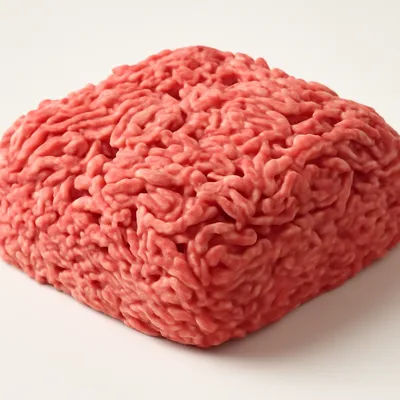
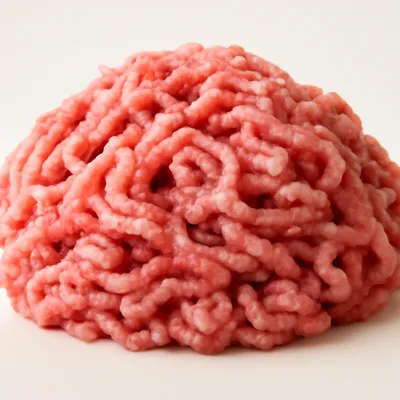
Combine the minced beef and pork with the cooled onion, salt, pepper, and a little egg and panko to bind; knead until slightly sticky.
- 36 min
Divide and shape into oval patties, pressing out air pockets; chill them for a few minutes to firm up.
- 45 min
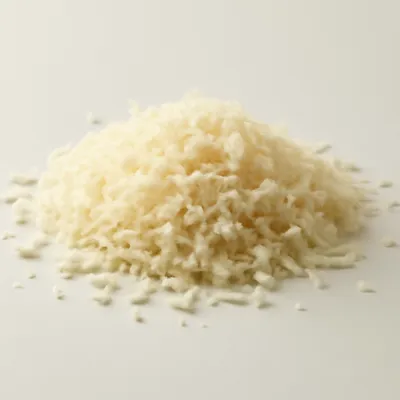
Coat each patty in flour, then beaten egg, then coarse panko, pressing so the crumbs cover it evenly.
Watch outCoat flour, egg, then coarse panko and press so it covers evenly — a bare gap lets the patty split and juices leak in the oil.
- 52 min
Heat oil to about 170 to 180°C, checking with a pinch of panko that should sizzle steadily.
- 66 min
Lower the patties in and fry, turning, until deep golden and cooked through, about 5 to 7 minutes.
Watch outHold the oil at 170 到 180 度 and fry 5 to 7 minutes to deep gold — too hot and the crust colors before the meat sets inside.
- 73 min
Lift out and drain on a rack; rest a couple of minutes so the juices settle.
- 81 min
Serve hot with shredded cabbage, a tangy Worcester-style or tonkatsu sauce, and mustard.
Archive tool suggestions — not reviewed
These legacy suggestions have not been evidence-reviewed and are not presented as required tools.