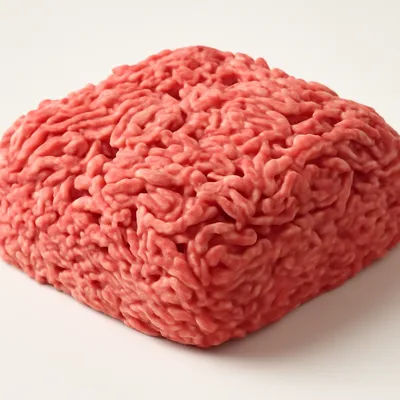
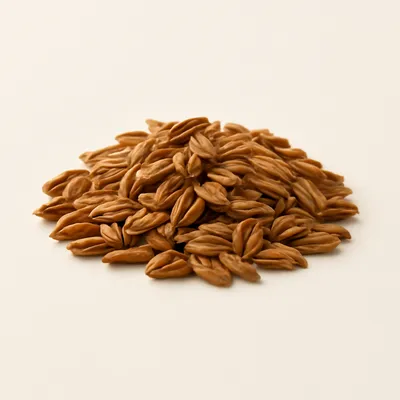
Seasoned ground beef is sandwiched between two whisper-thin egg pancakes, sealed with cornstarch slurry, then deep-fried until the shell shatters gold. The parcels are finished in a quick stir-fry sauce of tomato, onion, and cumin — a flagship hot dish of Qinghai's Hui halal banquet tradition known as the Old Eight Platters.



Jia Sha Niu Rou belongs to the Old Eight Platters (老八盘) banquet system of Qinghai's Hehuang River valley — a tradition whose exact founding date is undocumented but is by local telling traced to the late Qing trade town of Dangar (present-day Huangyuan), a southern Silk Road entrepot where Hui Muslim merchants and Han settlers shaped a shared ceremonial cuisine; the Old Eight Platters technique entered Xining's municipal intangible-heritage list in 2016. The name 'jia sha' — meaning to clamp or sandwich (夹) — describes the technique of encasing seasoned meat between egg-pancake layers, a method found across northwest China's Muslim kitchens under variant near-homophone names. Because Islamic dietary law required the substitution of beef for pork, Qinghai's Hui cooks adapted an existing northwest egg-and-meat fritter into a halal form served as a hot dish within the banquet sequence.
The egg shell cracks with a shatter; inside, dense juicy beef carries warmth from white pepper and cumin. The surrounding tomato-onion sauce cuts the richness with bright acidity, making each piece disappear fast.
Deep frying at 180°C triggers Maillard browning on the egg pancake's outer surface within 90 seconds, building a rigid golden crust. The cornstarch slurry spread between the egg skin and beef filling gelatinizes at 65°C, fusing the layers so they cannot separate under intense heat. Inside the sealed egg shell, steam from the beef's own moisture raises the internal environment to roughly 75°C — cooking the filling through without direct oil contact, keeping it tender rather than dry.
Variations
A lamb-filled version replaces beef for a stronger, gamier flavour. Some households serve the pieces dry without a sauce, dusting instead with ground cumin and dried chili. A lighter variant uses chicken thigh mince for a softer, milder interior.
On the Palate
Where Qinghai Egg-Wrapped Fried Beef sits in the Chinese flavor cloud
Ingredients
Serves 4

How it's made
6 steps · 20 min
- 110 min
Combine ground beef with 1 egg, minced ginger, scallion, white pepper, salt, and 1 tbsp cornstarch; mix vigorously in one direction until the mixture is sticky and cohesive
- 25 min
Beat 4 eggs with 2 tbsp cornstarch slurry and a pinch of salt until smooth and uniform
- 310 min
Lightly oil a non-stick pan over the lowest heat; pour in enough egg batter to make a thin pancake (2–3 mm); cook until just set, do not flip; repeat to make an even number of pancakes
Watch outCook the egg pancake on the lowest heat just until set, no browning — a colored skin cracks and won't seal around the filling.
- 47 min
Lay one pancake flat; brush a thin layer of cornstarch slurry over it; spread a 5mm layer of beef filling; brush the filling with slurry; press a second pancake on top; seal all edges firmly with slurry; repeat for remaining pancakes
Watch outBrush slurry between the layers and press the edges tight — that starch glue is what stops the parcel splitting open in the oil.
- 510 min
Cut each assembled sandwich into 4 portions; heat oil to 180°C; deep-fry in batches until golden on both sides, about 3 minutes per side; drain on paper towels
Watch outFry at 180°C until golden both sides — the steam inside cooks the beef through, so the crust color is your doneness cue.
- 65 min
Stir-fry diced tomato, onion, and green pepper in a hot wok with a splash of oil; add cumin powder, soy sauce, and a pinch of sugar; cook 2 minutes to form a glossy sauce; pour over fried beef parcels and serve immediately


