The theatrical showstopper opening Qinghai's 'Old Eight Plates' banquet — pork tenderloin strips coated in local pea-flour batter and fried three times to shattering gold, then doused tableside with boiling Huangyuan black-vinegar chili sauce in a dramatic sizzle. 'Lǐjǐ' (pork loin) puns on 'lìjí' (immediate fortune), making it mandatory at every Qinghai wedding and funeral banquet. Its preparation technique was designated Qinghai provincial intangible cultural heritage in 2023.




Qinghai Sour-Spicy Pork Loin originated in Huangyuan County, a strategic garrison and tea-horse trading post on the southern Silk Road. Han, Hui, and Shanxi–Shaanxi merchant communities who converged there from the Ming dynasty onward contributed different frying and sauce-making traditions that fused in local banquet kitchens. According to local culinary accounts, a Shanxi merchant named Wang Gayou opened the Kuisheng Restaurant in Huangyuan in the late Qing period, establishing the triple-fry pea-flour method with Huangyuan dark vinegar as the restaurant's signature banquet opener. The name puns on 'lìjí' (immediate fortune). The dish's preparation technique was recognised as Xining City intangible cultural heritage in 2018 and elevated to Qinghai provincial level in 2023.
Crackling gold strips meet a tidal wave of hot sour-spicy sauce with a table-filling sizzle — the crust softens in seconds, the inner loin stays juicy, and the whole bite trembles between crisp and tender.
The triple-fry method is the technical core. The first soft-fry (around 160°C) gelatinises the pea-flour coating into a sealed shell, trapping moisture inside the meat. The second fry (170°C) fully cooks the loin through without drying it. The third fry (190°C) rapidly dehydrates the outer crust, generating a shattering Maillard-browned shell rich in pyrazines and furans. When the boiling Huangyuan vinegar sauce is poured onto the hot crust, acetic acid vapour instantly rises in a flavour burst; the crust's residual heat softens its outer face while the core stays crisp.
Variations
Huangyuan's original version uses local free-range pork tenderloin; Xining city restaurants substitute commercial pork loin; Hui halal kitchens offer a beef tenderloin version. The vinegar-to-chili ratio and the age of the Huangyuan vinegar — three to five years preferred — are the key variables that distinguish each restaurant's recipe.
On the Palate
Where Qinghai Sour-Spicy Pork Loin sits in the Chinese flavor cloud
Ingredients
Serves 4
How it's made
7 steps · 30 min
- 120 min
Slice pork tenderloin against the grain into strips about 1 cm thick and 5 cm long; season with salt and ginger juice, and marinate for 20 minutes.
- 28 min
Mix pea flour with cold water and a pinch of salt into a thick, smooth batter; coat each pork strip thoroughly.
- 35 min
First fry: heat rapeseed oil to 160°C. Lower strips in gently; fry for 2 minutes until batter sets and turns pale gold. Remove and use chopsticks to separate any strips that have stuck together.
Watch outFirst fry at 160°C only until the batter sets to pale gold — this seals the shell and traps the juices inside the pork.
- 45 min
Second fry: raise oil to 170°C. Return strips and fry for 3 minutes until cooked through and lightly coloured; drain on a rack.
- 53 min
Third fry: raise oil to 190°C. Fry strips for about 1 minute until deep golden and very crisp; drain quickly.
Watch outThird fry hot at 190°C for about a minute to shatter-crisp the crust — that final blast is what makes it crackle under the sauce.
- 65 min
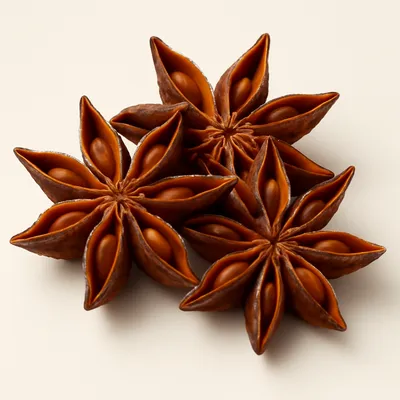
Simmer Huangyuan dark vinegar with chili, garlic, and star anise in a small saucepan for 3 minutes; keep at a rolling boil.
- 72 min
Arrange crispy strips neatly on a serving plate; carry to the table and pour the boiling sauce directly over them to produce the dramatic tableside sizzle.
Watch outPour the sauce boiling-hot the instant it hits the table so it sizzles — lukewarm sauce just soaks the crust limp with no drama.


