Hamburg steak (hambagu) is a Japanese yoshoku staple: an oval patty of ground meat—usually a blend of beef and pork called aibiki—bound with sauteed onion, egg and panko soaked in milk, then pan-cooked and sauced. The mixture is kneaded until tacky, shaped into a patty about 4 cm thick, dimpled in the center, and seared on both sides before being cooked through over low heat or in a covered pan. It is served whole, most classically under a glossy demi-glace, or in the wafu (Japanese-style) form with a soy-based sauce and grated daikon. A family-restaurant and home-kitchen mainstay, it is soft enough to cut and eat with chopsticks.



Hamburg steak descends from the German-style chopped-beef dish and reached Japan in the Meiji era, after the lifting of the ban on eating meat opened the country to Western cooking; it is commonly said to have been first served in Yokohama, one of the earliest ports opened to foreigners. Early Japanese references called such patties 'minchi-boru' and the like, and a dish regarded as a forerunner is said to have featured at the 1882 opening of the Akahori Cooking School, though that specific claim is not firmly documented. It spread from Taisho into the mid-Showa decades, becoming a true household staple in the postwar 1950s-60s: home refrigeration and cheaper ground meat made it an affordable way to serve meat, magazines printed the recipe widely through the 1960s, and a pre-cooked retort product appeared in 1962. The family-restaurant boom later cemented it as a national favorite.
A good hamburg steak is juicy through the middle: pressing it should release clear, hot juices, not blood, and the texture is tender and faintly springy rather than dense like a Western burger. The seared crust carries roasted, savory depth, the interior is moist and well-seasoned, and the sauce ties it together—a demi-glace adds dark, winey richness, while the wafu version is lighter, the soy and citrusy ponzu cut with the cool sharpness of grated daikon. A poorly made one is dry, crumbly or rubbery, usually from too lean a mix, too little binder, or cooking that was rushed over high heat so the outside burns while the center stays raw.
The Japanese patty is engineered to be soft and juicy. The panko is soaked in milk first: it swells into a paste that traps meat juices and steam during cooking, so the patty stays moist where an all-meat burger would dry out, while the egg adds protein that sets and helps bind. Kneading the cold meat until it turns sticky develops just enough myosin to hold the shape without going tough. The onion is sauteed and cooled before mixing, both to add sweetness via the Maillard reaction and to avoid raw-onion harshness. A central dimple counteracts the patty's tendency to dome as the surface proteins contract, keeping it even. Searing both sides browns the surface for flavor, then gentle finishing heat—often covered, sometimes with a splash of sake or water to steam—cooks the center through without toughening the proteins or squeezing out the juices.
Variations
The two main sauce families are the Western demi-glace or brown sauce and the wafu (Japanese-style) finish with soy sauce, grated daikon (daikon-oroshi) and ponzu. Cheese hambagu folds or tops the patty with melting cheese; other common versions add a fried egg, a tomato sauce, or a Japanese curry. The same patty is the meat in a loco moco (over rice with gravy and a fried egg) and is a close relative of the American Salisbury steak. The beef-to-pork ratio varies by cook, and an all-beef patty is sometimes used for a meatier, firmer result.
On the Palate
Where Hamburg Steak sits in the Japanese flavor cloud
Ingredients
Serves 4

How it's made
8 steps · 20 min
- 18 min
Finely chop the onion, saute it in a little butter until soft and lightly golden, and let it cool completely.
- 25 min
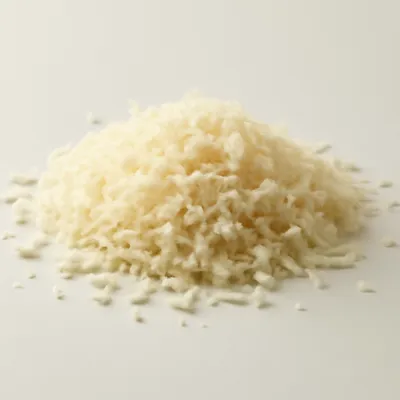
Soak the panko in the milk until it swells into a paste.
Watch outSoak the panko in milk until it swells to a paste — this panade traps meat juices and steam so the patty stays juicy instead of drying out.
- 33 min
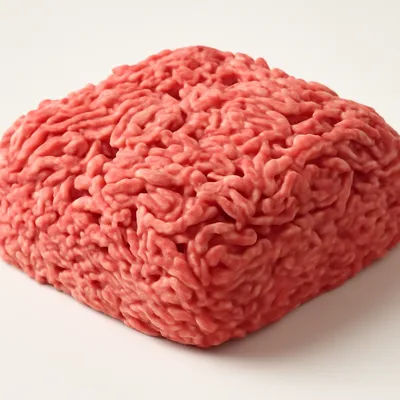
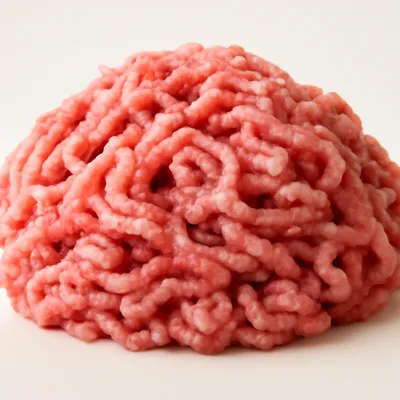
Combine the ground beef and pork, soaked panko, egg, cooled onion, salt, pepper and a pinch of nutmeg.
- 44 min
Knead the cold mixture by hand until it turns tacky and uniform.
Watch outKnead the cold meat until it turns tacky and uniform — that developed stickiness binds the patty so it holds together and stays springy.
- 54 min
Divide and shape into oval patties about 4 cm thick, tossing each between the hands to expel air, and press a dimple into the center.
Watch outToss each patty between your hands to expel air and press a dimple in the center — the air-free pack stops it splitting, and the dimple keeps it from doming as it cooks.
- 65 min
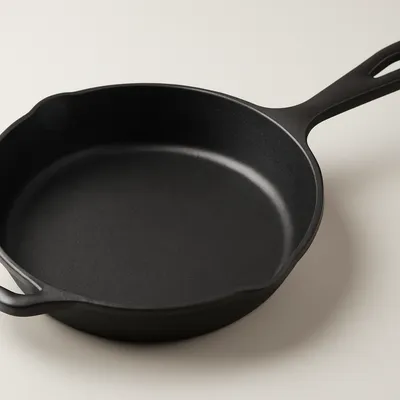
Sear the patties in a hot oiled pan on both sides until well browned.
- 710 min
Lower the heat, add a splash of sake or water, cover, and cook through until the juices run clear; rest briefly.
- 85 min
Make the sauce in the same pan and spoon it over—demi-glace, or a wafu soy-and-ponzu sauce with grated daikon.
Archive tool suggestions — not reviewed
These legacy suggestions have not been evidence-reviewed and are not presented as required tools.