An inside-out sushi roll — rice on the outside, nori on the inside — with multiple fillings, often coated in sesame seeds or tobiko. Originated outside Japan (the California roll is the most famous example) and adapted back into Japanese cuisine.
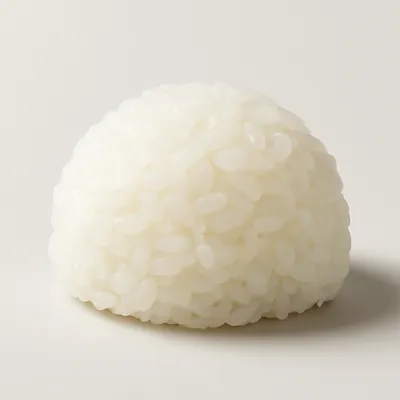
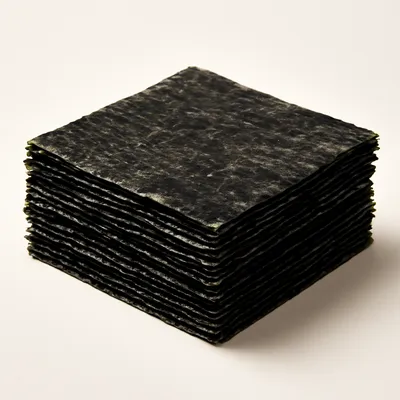
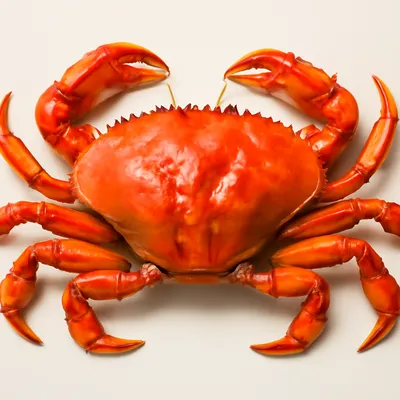

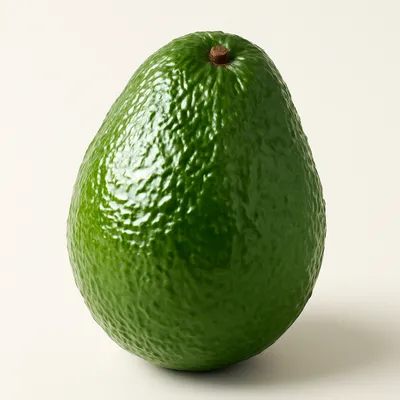

Uramaki — the inside-out roll, with rice on the exterior — was not developed in Japan but outside it. Wikipedia documents the California roll as the most famous uramaki, with disputed origins in Los Angeles or Vancouver in the 1970s-80s. The inside-out construction was invented to hide the nori, which Western diners found unfamiliar. The uramaki was subsequently re-imported into Japan, where it is now common in conveyor-belt sushi and fusion restaurants, though traditional sushi chefs do not consider it authentic Edomae sushi.
A piece of uramaki reveals rice on the outside, often coated with toasted sesame seeds or bright orange tobiko, with nori and multiple fillings visible at the cross-section. The exterior rice, slightly sticky, carries the sesame or roe; the interior hides the nori and a colorful array of fillings — avocado, cucumber, crab, tuna. The roll is designed for visual appeal and for palates that prefer not to bite into nori directly.
Uramaki rests on the inside-out rolling technique. A full sheet of nori is placed on a bamboo mat covered with plastic wrap; vinegared rice is spread on top of the nori. The sheet is flipped so the rice faces down; fillings are placed on the nori side (now facing up). The mat rolls the entire assembly, with the rice ending up on the outside. The rolling mat must be covered in plastic wrap, or the rice will stick to it. The exterior coating — sesame seeds or tobiko — is applied by rolling the completed roll on a surface covered with the coating. The result is a roll where the nori is completely hidden inside, which is the defining difference from traditional maki.
Variations
The California roll (crab, avocado, cucumber) is the prototype; fillings vary widely; the rice-on-outside construction is the constant.
On the Palate
Where Uramaki sits in the Japanese flavor cloud
Ingredients
Serves 4How it's made
7 steps · 25 min
- 12 min
Cover a bamboo rolling mat with plastic wrap.
Watch outCover the mat with plastic wrap first — spread rice straight on bamboo and it glues itself to the mat and tears when you unroll.
- 23 min
Place nori on the mat; spread vinegared rice on top.
- 32 min
Flip the nori and rice so rice faces down on the plastic.
- 42 min
Place fillings on the now-exposed nori side.
- 53 min
Roll from the bottom using the mat.
Watch outRoll snug and even with the mat so the rice ends up on the outside — a loose roll falls apart when you cut it.
- 62 min
Coat the exterior by rolling in sesame seeds or tobiko.
- 75 min
Cut into pieces with a damp knife.
Archive tool suggestions — not reviewed
These legacy suggestions have not been evidence-reviewed and are not presented as required tools.



