The classic way Umbria eats its black truffle: a flat Italian frittata perfumed with the prized winter truffle of Norcia and the Valnerina. The truffle is grated into warm olive oil to spread its aroma, then folded through beaten eggs and cooked flat in the pan rather than rolled like a French omelette; more truffle is shaved raw over the top to finish. Eggs are the truffle's natural partner — their fat carries and holds the scent — and this is the humblest, surest setting in which to taste a great Umbrian truffle. A regional preparation more than a single codified dish, but the one a Norcino cook reaches for.

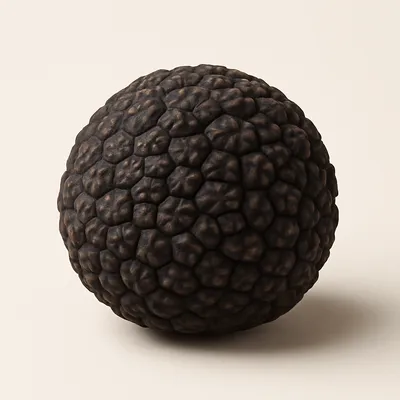



Truffle and eggs is one of the oldest and surest pairings in the truffle kitchen, found from Périgord to Piedmont, and in Umbria it takes the form of a flat frittata. What makes the Umbrian version its own is the truffle: the winter black truffle, Tuber melanosporum — the tartufo nero pregiato tied above all to Norcia and the Valnerina, the Nera river valley where the town sits. Norcia is doubly famous, for its pork butchery and for this truffle, gathered from November to March under the oaks of the surrounding hills, with the markets busiest in the depth of winter; the town holds a long-running black-truffle fair, Nero Norcia, in late winter. The dish is best understood as a celebrated regional preparation rather than a single dated invention — it has no inventor, no founding date and no protected status of its own, and the truffle itself carries no EU protection (unlike the area's Prosciutto di Norcia IGP, registered in 1997, and the Lenticchia di Castelluccio di Norcia IGP). It is simply the plainest, most honest way to put the region's truffle at the centre of the plate.
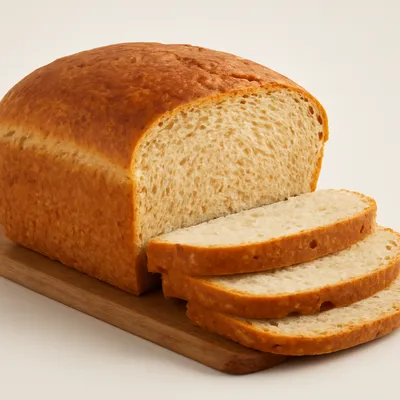
A tender, just-set golden frittata that is mostly a quiet, fatty canvas — and then the truffle, which arrives first at the nose: deep, earthy, garlicky and faintly musky, the heady scent that makes a room turn its head. On the palate it is more restrained than the smell promises, a savoury, mushroomy, almost sulphurous warmth running through the soft egg rather than an explosion of flavour. The truffle cooked into the eggs gives a low, even perfume all the way through; the raw shavings on top deliver the high, volatile top-notes that cooking would have driven off. It wants to be eaten warm, not scalding, so the aroma is not blown away, with good bread alongside.
Truffle aroma is volatile and heat-sensitive, so the surest way to keep it is to serve the truffle raw; the dominant scent compound of the black truffle, dimethyl sulfide, is already flashing off at room temperature and is driven away by any real heat. (The black truffle's character comes from that sulfide plus branched aldehydes that read as savoury; the molecule famous from synthetic 'truffle oil' belongs to the white truffle, not this one.) The trick is to do both: steep some grated truffle in warm oil and fold it into the eggs to build a low, all-through savouriness, then shave fresh truffle over the finished frittata for the high perfume. Fat is the carrier — egg yolk, oil and butter dissolve the aroma molecules and hold them, releasing them slowly and coating the palate, which is why eggs partner truffle so well and why the aroma concentrates in the rich yolk. The same principle drives the old kitchen trick of storing whole eggs in a sealed jar with a truffle for a day or two: an eggshell is riddled with thousands of tiny pores, and the scent passes straight through into the yolk, perfuming the eggs before they are even cracked.
Variations
When the prized winter truffle is out of season, the milder summer truffle, the scorzone, stands in at a fraction of the price, though with a fainter scent. Some cooks grate a little pecorino into the eggs; others abandon the flat frittata for soft, low-cooked scrambled eggs — uova al tartufo — with the truffle folded through and shaved on top. The egg-in-a-jar method is the classic way to stretch a small or costly truffle through a larger dish. The dish belongs to a pan-regional family of truffle-and-egg preparations: Périgord's folded omelette aux truffes and Piedmont's uova al tartufo with the white truffle of Alba are close cousins, distinguished by truffle species and by whether the eggs are rolled or left flat.
On the Palate
Where Frittata ai Tartufi sits in the Italian flavor cloud
Ingredients
Serves 4How it's made
7 steps · 15 min
- 12 min
A day ahead, if you can, store the whole eggs in a sealed jar with the truffle so the aroma passes through the shells.
- 24 min
Brush and gently wipe the truffle clean; grate about half of it finely and shave the rest into thin slices for finishing.
- 33 min
Warm a little olive oil in a pan over low heat, stir in the grated truffle just to release its aroma, then take it off the heat.
Watch outWarm the grated truffle in oil only to release its scent, then off the heat — real heat drives off the volatile aroma, so never let it fry.
- 42 min
Beat the eggs with a pinch of salt, then stir in the warm truffle oil so the scent runs all through.
- 56 min
Heat a little more oil or butter in a non-stick pan, pour in the eggs, and cook over low-to-medium heat without stirring until the base is set and the top still slightly soft.
Watch outCook over low-to-medium heat till the base sets but the top stays slightly soft — pushed hard, the eggs turn dry and rubbery.
- 63 min
Slide the frittata onto a plate and flip it back into the pan to set the other side briefly, keeping it tender.
- 71 min
Turn out, shave the reserved raw truffle generously over the top, and serve warm with bread.
Watch outShave the reserved truffle on raw at the end — its best aroma lives in the raw shavings, gone the moment it's cooked.
Archive tool suggestions — not reviewed
These legacy suggestions have not been evidence-reviewed and are not presented as required tools.