
Osechi ryori is the assortment of small, mostly make-ahead dishes eaten in Japan over the New Year, arranged in stacked lacquered boxes (jubako). Each item carries an auspicious meaning, usually through a pun or a visual symbol: sweet black soybeans (kuromame) for health and diligence, salted herring roe (kazunoko) for fertility and many descendants, candied dried baby sardines (tazukuri) for a good harvest, a sweet rolled omelette (datemaki) for learning, a mash of candied chestnut and sweet potato (kuri-kinton) for wealth, red-and-white fish cake (kohaku kamaboko), kelp rolls (kombumaki) for joy, and shrimp (ebi) for long life. Most components are sweet, salty, vinegared, or otherwise seasoned to keep for the first few days of the year, a period when cooking was traditionally avoided. The cooking steps below are for one representative item, kuri-kinton.


The word osechi derives from o-sechi-ku (御節供), the food once offered at the seasonal court ceremonies known as sekku, the most important being the five gosekku of the imperial calendar. The custom traces to the Nara and Heian periods, when such offerings were made at court; over the Edo period (1603–1868) the term narrowed to mean specifically New Year food and the practice spread to ordinary households. Packing the dishes into tiered jubako boxes is generally described as a later refinement that became widespread around the Meiji era, the stacked tiers read as a wish to pile up good fortune. The specific roster and the meanings attached to each item vary by household and region, and many readings are folk wordplay rather than documented fact: kuromame puns on mame (健やか, diligent and healthy); kazunoko (kazu = number, ko = child) reads as many children; tazukuri (literally 'rice-paddy maker,' from the dried sardines once used as field fertilizer) for an abundant harvest; konbu puns on yorokobu (to rejoice).
An osechi box reads as a mosaic of contrasts in one tray: the glossy black soybeans are soft and sweet, the herring roe is firm and gives a fine crackle between the teeth, the datemaki is springy and faintly sweet, the kuri-kinton is a smooth, heavy, golden paste, and the kelp rolls are tender and savory-sweet. Because the food is made to keep, most of it is served cool or at room temperature, and the seasoning runs sweeter and saltier than everyday cooking. The pleasure is variety and balance — a little of many things, alternating sweet, salty, sour, and the clean snap of the roe — rather than any single hot, rich dish.
Osechi is built around preservation: it was meant to last the first days of the year, when hearths were rested, so nearly every technique on the tray slows spoilage. Sugar and salt both work by lowering water activity — they bind or draw out free water through osmosis so that spoilage microbes cannot grow — which is why kuromame, kuri-kinton, and the kelp rolls are heavily sweetened and the roe and other items are salted. Vinegared dishes such as kohaku namasu (vinegared daikon and carrot) drop the pH into a range bacteria tolerate poorly. Kuromame are simmered very slowly with a little iron (a rusty nail or iron piece) added to the pot, because iron ions complex with the anthocyanin pigments in the bean skins and stabilize them, keeping the beans a deep glossy black rather than a dull reddish-brown. Datemaki gets its springy, sliceable body from fish or shrimp surimi beaten into the egg: the salt-soluble fish proteins (myosin) form a gel when heated, setting the omelette firm enough to roll. The kuri-kinton's smooth, heavy body comes from the starch in sweet potato (and chestnut) gelatinizing and binding the sugar syrup.
Variations
The contents are not fixed: each region and family keeps its own roster, and the formal jubako is organized by tier, the top box (ichi-no-ju) holding the sweet-and-salty nibbles (iwai-zakana) eaten with the New Year sake, lower boxes holding grilled fish, vinegared dishes, and simmered vegetables (nimono). Kanto and Kansai differ in staples — Kanto tends toward sweet datemaki and tazukuri among its three celebratory snacks, while Kansai favours tataki-gobo (pounded burdock). Tai (sea bream) appears for its pun on medetai (auspicious), and herring roe, black beans, and candied sardines are the near-universal trio. Modern department-store and convenience-store osechi may add Western or Chinese dishes, and single-tier or refrigerated sets are now common; a simmered-vegetable assortment such as chikuzen-ni or nishime is a frequent lower-box component.
On the Palate
Where Osechi Ryori sits in the Japanese flavor cloud
Ingredients
Serves 4

How it's made
7 steps · 40 min active + 1 hour 20 min waiting
- 115 min
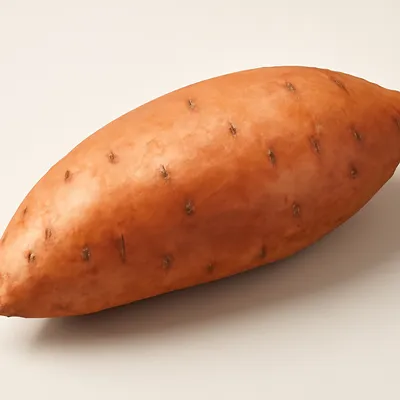
Peel sweet potatoes, cut into chunks, and soak in water to draw out some starch; if you like a golden colour, simmer them with a piece of gardenia pod (kuchinashi) in the water.
- 220 min
Boil the sweet potato until very soft, drain, and while hot push it through a sieve or mash it smooth.
Watch outPush the hot sweet potato through a sieve while it's still hot — cooled mash goes gluey and won't turn silky-smooth.
- 38 min
Return the mash to a pot and warm over low heat, stirring in sugar (and a pinch of salt) until it dissolves and the paste turns glossy.
- 45 min
Add a little of the chestnut syrup and several candied chestnuts, folding gently so the chestnuts stay whole.
Watch outFold in the chestnuts gently to keep them whole — stirring hard breaks them up and muddies the smooth kinton.
- 510 min
Keep stirring over low heat until the kinton is thick, smooth, and heavy enough to hold its shape on a spoon.
Watch outCook until the kinton holds its shape on a spoon — too loose and it won't mound or pack into the box.
- 615 min
Let it cool, then pack into a corner of the jubako or shape into mounds.
- 730 min
Prepare the other osechi items (kuromame, kazunoko, datemaki, kombumaki) over the preceding day or two and arrange everything in the tiered boxes.
Archive tool suggestions — not reviewed
These legacy suggestions have not been evidence-reviewed and are not presented as required tools.


