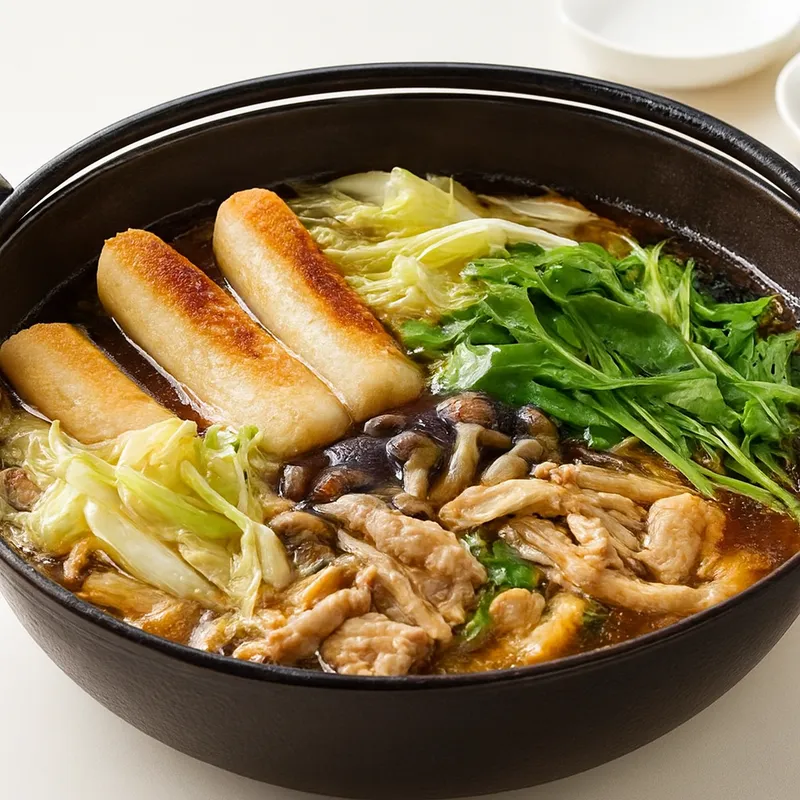
Kaki no dotenabe is a winter oyster hotpot from Hiroshima, Japan's leading oyster region. Its defining feature is the 'dote' (embankment or levee): a thick paste of miso, usually a blend of white and red, sweetened with sake, mirin and sugar, is banked in a ridge around the inner rim of an earthenware pot. Dashi is poured into the well, and oysters, tofu, Chinese cabbage, leek, shungiku (garland chrysanthemum), mushrooms and other vegetables are simmered in it at the table. As the pot bubbles, diners scrape the miso levee down into the broth a little at a time, sweetening and thickening it to taste as the meal goes on. The course is a main or soup.


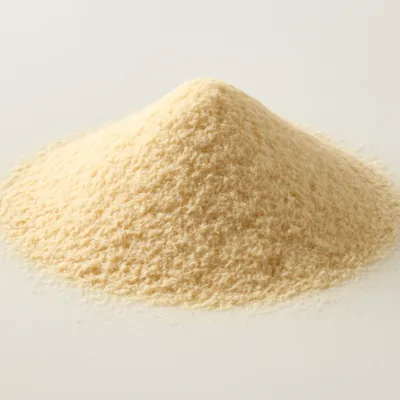
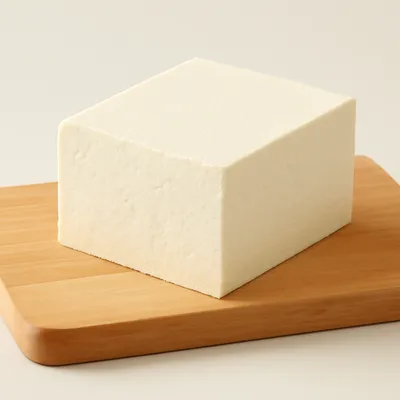
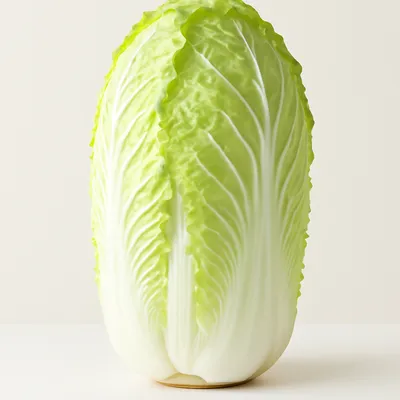
Kaki no dotenabe belongs to Hiroshima, where oysters have been eaten since the Jomon and Yayoi periods (shell mounds attest to it) and cultivation is generally dated to the 1500s–1600s. The dish's name has no single confirmed source; three explanations are commonly given. One holds simply that the ridge of miso around the pot looks like a riverbank levee (dote). A second says it is named for the person credited with devising it, said to be surnamed Dote (the given name varies between accounts). A third ties it to the Edo period, when 'oyster boats' (kakibune) carried Hiroshima oysters to Osaka and reportedly served the hotpot to customers on the riverbanks. The levee-of-miso reading is the most widely repeated; the others are best treated as folk etymology.
The oysters are plump and just-set, bursting with warm, creamy brine, their sweetness lifted by the savory-sweet miso broth. The soup itself starts mild and grows progressively richer, sweeter and more full-bodied as more of the levee melts in. Tofu turns silky and soaked with flavor, the cabbage and leek go soft and sweet, and the shungiku adds a faintly bitter, herbal note that cuts the richness. The oysters must be added late and lifted out the moment they plump — overcooked, they shrink, toughen and go rubbery.
Banking the miso as a levee rather than dissolving it at the start is the technical heart of the dish. Miso is a fermented soybean paste whose aroma is volatile and whose enzymes and probiotic character are degraded by prolonged boiling, so keeping it on the cool rim and melting it in gradually preserves its fragrance and lets each diner tune the seasoning. The savor is layered umami: glutamate from the miso and any kombu in the dashi meets inosinate from the oysters and the amino acid betaine and glycogen that make oysters taste sweet, and the glutamate-inosinate synergy multiplies the perceived savoriness. The miso's salt and the sugar also draw less moisture from the just-cooked oysters than a thin salt broth would, helping keep them plump.
Variations
The miso blend is the main variable — some cooks use only red miso for a deeper, saltier broth, others lean sweet with more white miso, sake and mirin. Vegetables shift with what is on hand: napa cabbage, leek and shungiku are standard, with carrot, enoki and shiitake mushrooms, konnyaku noodles and grilled tofu common additions. As with many nabe, the finish is a shime: rice cooked into the leftover broth as zosui, or udon dropped in. It should not be confused with Osaka's doteyaki, which shares the 'dote' idea of miso banked on a pan's rim but is a quite different dish of beef tendon slow-simmered in miso, not an oyster hotpot.
On the Palate
Where Kaki no Dotenabe sits in the Japanese flavor cloud
Ingredients
Serves 4


How it's made
8 steps · 20 min
- 110 min
Shuck the oysters or use shucked ones; rinse gently in lightly salted water and drain on a sieve.
- 28 min
Cut the vegetables: chop Chinese cabbage, slice leek on the diagonal, trim shungiku, cube the tofu, and ready the mushrooms.
- 33 min
Make the miso paste: blend white and red miso with sake, mirin and a little sugar into a thick, spreadable paste.
- 43 min
Spread the miso paste in a thick ridge around the inner rim of an earthenware pot, banking it like a levee above the dashi line.
Watch outBank the miso in a thick ridge on the pot's inner rim above the dashi line — dissolving it in from the start would boil off its fragrance and kill its live character.
- 54 min
Pour dashi into the center of the pot and bring it to a gentle simmer over the table burner.
- 66 min
Add the firmer vegetables, tofu and mushrooms first and simmer until they begin to soften.
- 73 min
Add the oysters last and cook only until they plump and the edges just curl.
Watch outAdd the oysters last and cook only until they plump and the edges just curl — a moment longer and they shrink tough and lose their sweetness.
- 82 min
Scrape some of the miso levee down into the broth to taste, then serve, melting in more miso as the pot continues through the meal.
Archive tool suggestions — not reviewed
These legacy suggestions have not been evidence-reviewed and are not presented as required tools.