
Buri no shabu-shabu, usually shortened to buri-shabu, is a winter hot-pot of the Sea of Japan coast in which paper-thin slices of fatty yellowtail are swished briefly through hot kombu dashi and dipped in ponzu. The fish is kan-buri, winter yellowtail at its fattest, and the point of the dish is restraint: each slice is held in the broth only until its surface turns from translucent to pale, leaving the centre just-rare, warm, and silky. Around Toyama Bay the prized fish is the branded Himi kan-buri, and the dish is eaten with seasonal vegetables and the fragrant citrus tang of ponzu. Though now a celebrated regional treat of Toyama and Ishikawa, it is a relatively modern preparation rather than an old folk dish.


Buri-shabu is a modern dish, traceable to 1978 in the Tango region of northern Kyoto, where the youth division of the Miyazu-Amanohashidate tourist-inn cooperative devised a winter yellowtail hot-pot to rival crab as a cold-season draw and first offered it under the name kan-buri shusse-nabe. The Tango coast around Miyazu and Ine — one of Japan's noted yellowtail grounds — already had a long habit of eating winter buri in the family pot, and the catchier name buri-shabu gradually took hold once it was served as a single-portion course. From there the preparation spread along the Sea of Japan, and it was taken up and popularised in Toyama as a way to showcase kan-buri, the winter yellowtail at peak fat. Toyama Bay's Himi is the celebrated source: yellowtail of 7 kilograms and over, landed by the bay's fixed-net fishery and graded for form and quality, are sold as branded Himi kan-buri, with the figurative trademark registered in 2011.
A slice lifted from the broth has turned pearly and just-set at the edges while the heart stays glassy and warm; in the mouth it is satiny and yielding, the winter fat melting on the tongue. The brief contact with hot dashi loosens and softens the rich flesh without firming it, so it never tightens into the chew of cooked fish. Ponzu cuts straight through the richness with sharp citrus and soy, and a tangle of negi or grated daikon adds bite and freshness. The closing pleasure is the broth itself, now enriched with rendered yellowtail fat and traditionally finished as a rice or noodle porridge.
The dish is engineered to stop short of cooking the fish through. Fatty winter buri carries a high proportion of intramuscular fat, which stays soft and melting at low temperature; the goal is to warm it only to the threshold where its surface proteins begin to set. A slice held in dashi at a gentle simmer for a few seconds reaches a surface that turns opaque while the core stays barely-warm and translucent — the so-called shimofuri, or frost-marbled, state. Pushing further is the classic mistake: at a hard 100°C rolling boil the muscle proteins over-coagulate and contract, squeezing out the prized fat into the broth and leaving the flesh dry, pale, and crumbling. Slicing the fish paper-thin keeps the just-set surface and the warm centre close together so both happen at once. Kombu underlies the broth with glutamate, which both seasons the fish and pairs with the inosinate of the yellowtail for an umami lift, while the acid and citrus of the ponzu refresh the palate against each fatty bite.
Variations
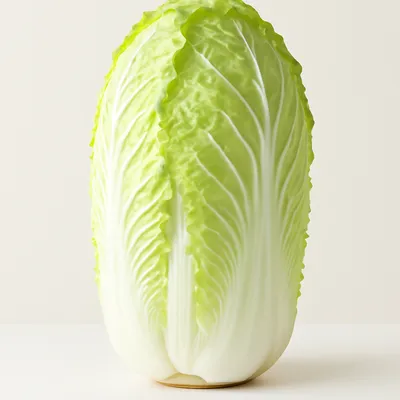
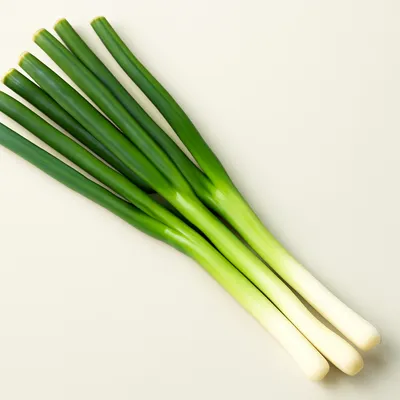
The dip and garnishes vary: ponzu with grated daikon and momiji-oroshi is standard, though some houses offer a sesame sauce, and the broth may be plain kombu dashi or, in one Toyama style, swished through warm sake rather than dashi. Vegetables are the usual nabe companions — negi, hakusai, mizuna, shungiku, mushrooms, and tofu — and many eateries finish the pot with rice for zosui or with udon. Beyond Toyama and Ishikawa the dish is equally claimed by its birthplace on the Tango coast of Kyoto and by Yamaguchi at the western end of the Sea of Japan, each built on its own local winter yellowtail, while sashimi-grade kan-buri is the constant the whole length of the coast.
On the Palate
Where Buri no Shabu-shabu sits in the Japanese flavor cloud
Ingredients
Serves 4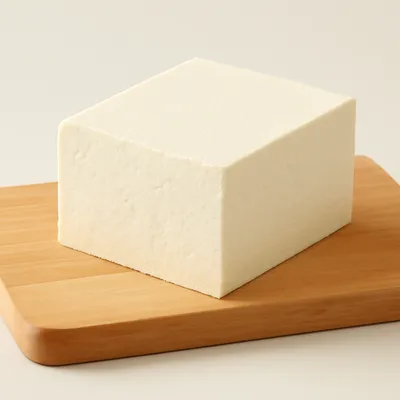

How it's made
7 steps · 20 min active + 10 min waiting
- 120 min
Soak a 10g piece of kombu in 1.2L water for 20 minutes, then heat slowly and remove the kombu just before it boils to make a clear dashi.
Watch outPull the kombu just before the water boils — let it boil in and the dashi turns cloudy and slimy instead of clear.
- 28 min
Slice 400g sashimi-grade winter yellowtail (buri) loin as thinly as possible across the grain, and arrange the slices on a plate.
- 38 min
Cut 200g hakusai, 1 negi, a bunch of shungiku, and 200g tofu into hot-pot pieces, and ready a bowl of ponzu with grated daikon.
- 43 min
Bring the kombu dashi to a gentle simmer in a pot at the table, keeping it just below a rolling boil.
- 55 min
Add the firmer vegetables and tofu and simmer until tender.
- 61 min
Holding a slice of buri with chopsticks, swish it through the broth for just a few seconds until the surface turns pale but the centre stays rare, then dip in ponzu and eat at once.
Watch outSwish each slice of buri just a few seconds until the surface pales but the center stays rare — a hard boil over-cooks it and squeezes the fat out.
- 78 min
When the fish and vegetables are finished, add cooked rice to the enriched broth to make zosui, or cook udon in it to close the meal.
Archive tool suggestions — not reviewed
These legacy suggestions have not been evidence-reviewed and are not presented as required tools.


