




Ebi chili is a Japanese-Chinese dish adapted from Sichuan cuisine's chili shrimp. Wikipedia documents the broader tradition of Japanese Chinese cuisine (Chuka ryori), which developed from Chinese restaurants in Japan serving Japanized versions of Chinese dishes. The Japanese ebi chili is sweeter, milder, and more saucy than its Sichuan original, using Japanese tobanjan (chili bean paste) which is less pungent than Sichuan doubanjiang.
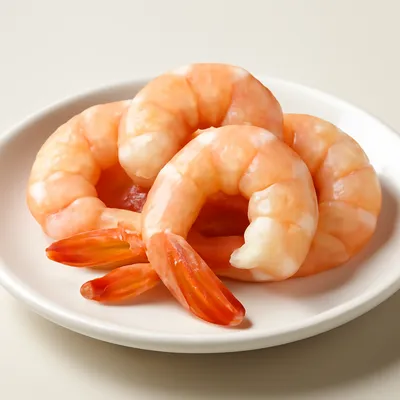
A plate of ebi chili brings up large, glossy shrimp in a thick, red-orange sauce that is sweet, spicy, and deeply savory. The shrimp are crisp on the surface, tender within; the sauce, thickened with starch, coats them in a sticky glaze. Eaten hot with rice, the sweet-heat balance is the defining character.
Ebi chili rests on the chili bean sauce and the starch-thickened glaze. The tobanjan (Japanese chili bean paste) provides fermented umami, chili heat, and a deep red color; its fermentation (from broad beans and chili) produces glutamate and complex Maillard aromas. The starch slurry, added at the end, gelatinizes in the hot sauce and thickens it into a coating glaze that clings to the shrimp shells. The shrimp, flash-fried at high heat, develop Maillard browning on their surface while staying tender inside.
Variations
Heat levels vary; some versions add vegetables like bell pepper or onion. The shrimp in chili-bean glaze is the constant.
On the Palate
Where Ebi Chili sits in the Japanese flavor cloud
Ingredients
Serves 2
How it's made
6 steps · 15 min
- 15 min
Peel and devein large shrimp, leaving the tail on.
- 23 min
Toss lightly with potato starch.
- 35 min
Stir-fry garlic, ginger, and scallion in oil.
- 43 min
Add tobanjan (chili bean paste); stir-fry briefly.
- 53 min
Add the shrimp; cook until just pink.
Watch outFlash-fry the starch-dusted shrimp just until they turn pink — a few seconds past and they seize rubbery.
- 62 min
Add sake, soy sauce, sugar, and a starch slurry; toss until glazed.
Watch outAdd the starch slurry at the end and toss until it thickens to a glaze that clings to the shells — too thin and the sauce slides right off.

