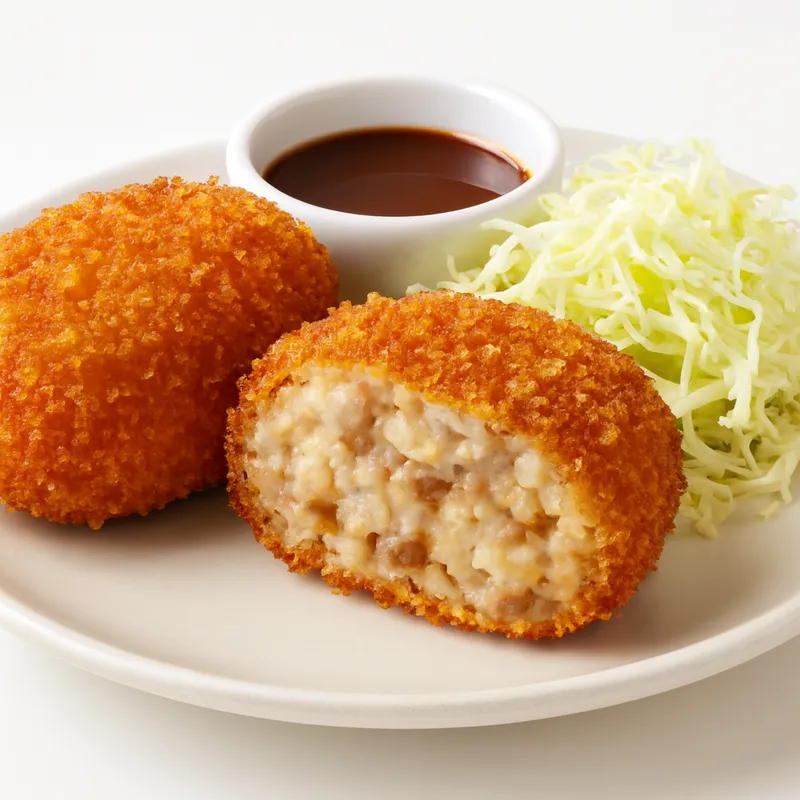
Nigiri sushi topped with sea bream (tai), a fish prized in Japan both for its firm, clean white flesh and for auspicious association — its name (tai) is associated with 'medetai' (auspicious). One of the most classic white-fish edomae sushi toppings, often served with a brush of nikiri glaze or a pinch of salt. Eaten at celebrations and as a benchmark of sushi chef skill.

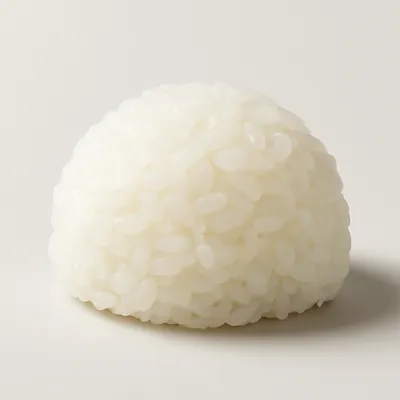
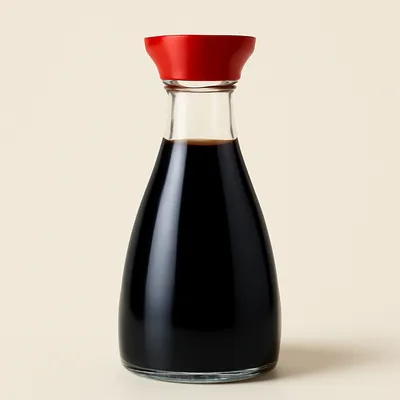


Tai sushi is a foundational edomae-zushi topping. Sea bream has been a prized fish in Japan since before the Edo period, often appearing at celebrations because its name is homophonous with 'medetai' (auspicious). For sushi, the fish is sometimes lightly marinated in kasu (sake lees), salted, or seared (aburi) to bring out flavor. Tai remains one of the benchmark white-fish toppings against which a sushi chef's knife skill is judged.
A piece of tai sushi has a translucent pink-tinged white flesh over warm shari. The bite is firm and clean — the flesh has a satisfying chew, more substantial than other white fish — with a delicate, slightly sweet flavor. A brush of nikiri soy or a pinch of salt is the only seasoning. Eaten in one bite, no soy dip needed.
Tai sushi's preparation varies by shop but always aims to express the fish's clean flavor. The fish is filleted; the skin may be removed or briefly blanched (kawashimo-yu) and iced to soften it. The flesh is sliced thin in alternating angled cuts (hiki-zukuri) to maximize texture. For kasu-zuke tai, the fish is marinated in sake lees for hours to days, which adds depth and umami. Nikiri glaze (reduced soy) is brushed on instead of dipping soy to avoid soaking the rice.
Variations
Some shops use kasu-zuke (sake-lees cured) tai; aburi (seared) tai is common in modern styles.
On the Palate
Where Tai Sushi sits in the Japanese flavor cloud
Ingredients
Serves 2How it's made
6 steps · 15 min
- 15 min
Fillet fresh tai; remove bones.
- 23 min
Optionally remove skin or blanch briefly (kawashimo-yu) and ice.
Watch outIf blanching the skin (kawashimo-yu), ice it at once — the shock stops the flesh cooking so only the skin softens and the meat stays raw-clean.
- 35 min
Slice the flesh thin in angled cuts (hiki-zukuri).
Watch outSlice the tai thin on the angle (hiki-zukuri) against the grain — the right cut gives the clean, yielding texture that expresses the fish.
- 43 min
Form nigiri with shari; press the tai slice on top.
- 51 min
Brush with nikiri soy glaze, or season with a pinch of salt.
- 61 min
Serve immediately; no soy dip needed.