


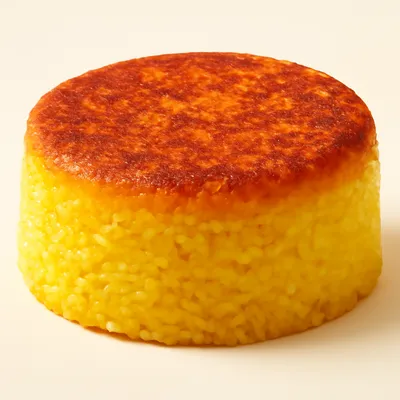
Kiritanpo is a specialty of Akita Prefecture in the Tohoku region. The dish consists of freshly cooked rice that is mashed, formed around cedar skewers into cylindrical shapes, and toasted over an open flame; the resulting rice sticks are then either eaten as-is with miso or — more commonly — added to a chicken-and-vegetable hot pot called kiritanpo nabe. The dish originated in the farming villages of Akita, where rice was abundant and the autumn harvest season brought communities together for communal meals. The name kiritanpo comes from the fact that the rice was traditionally cut (kiri) from the skewer, and tanpo refers to the round shape.
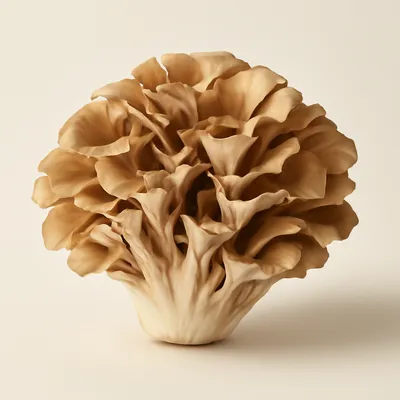
In a kiritanpo nabe, the rice sticks arrive toasted, their surface charred and fragrant, simmering in a clear chicken broth with Japanese leeks, maitake mushrooms, seri (water dropwort), and thin slices of Hinai-jidori chicken. The toasted rice stick, having soaked up the broth, is soft on the outside with a smoky, toasty center; the broth is deeply savory from the chicken and mushrooms. Eaten hot, it is the quintessential dish of a Tohoku autumn.
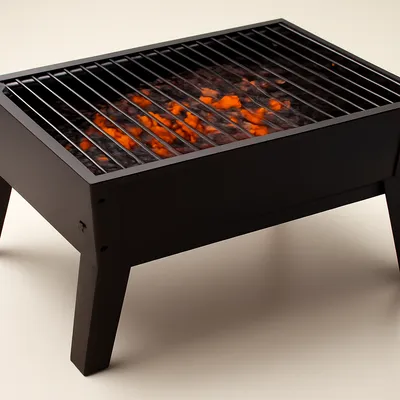
Kiritanpo rests on the toasted rice stick and its absorption of broth. Freshly cooked short-grain rice is mashed — not pounded as in mochi — so that the starch partially gelatinizes and binds, but the grains remain distinguishable. Formed around cedar skewers, the rice is toasted over an open flame; the Maillard browning on the surface creates a charred, aromatic crust that, when simmered in the nabe broth, infuses the whole pot with a smoky, toasted-rice flavor. The interior of the rice stick, protected from direct flame, remains softer and absorbs the broth during the simmer, turning almost dumpling-like.
Variations
Kiritanpo can also be eaten simply grilled with sweet miso glaze, without the nabe; the mashed-rice-on-skewer form and the Akita origin are the constants.
On the Palate
Where Kiritanpo sits in the Japanese flavor cloud
Ingredients
Serves 4
How it's made
6 steps · 30 min
- 110 min
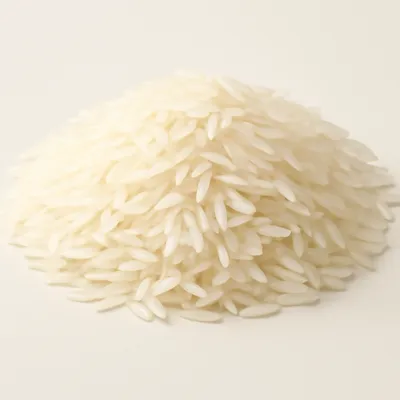
Cook fresh short-grain rice; while hot, mash roughly.
Watch outMash the hot rice roughly, don't pound it smooth — you want the starch to bind but the grains still visible, not turned to mochi.
- 210 min
Form the mashed rice around cedar skewers into cylindrical shapes.
- 35 min
Toast over an open flame until the surface is charred and fragrant.
Watch outToast over the flame until the surface chars and smells fragrant — that charred crust is what infuses the whole pot with smoky, toasted-rice flavor.
- 410 min
Prepare a chicken-bone dashi in a donabe; add soy and mirin.
- 55 min
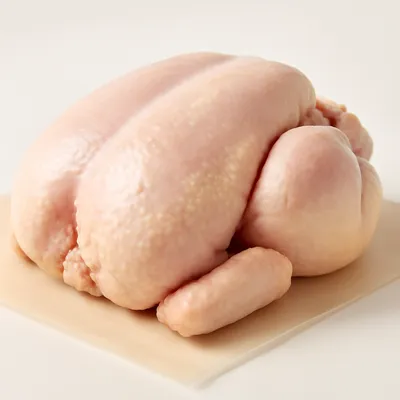
Add sliced chicken, leeks, maitake mushrooms, and seri.
- 615 min
Add the kiritanpo sticks cut into pieces; simmer until everything is cooked through.
Archive tool suggestions — not reviewed
These legacy suggestions have not been evidence-reviewed and are not presented as required tools.