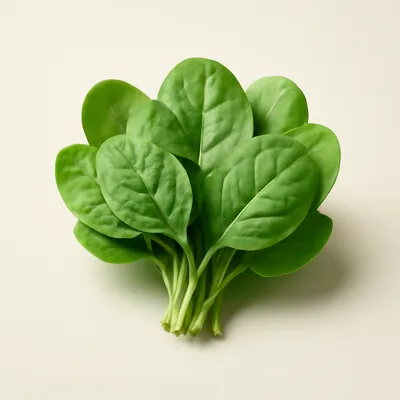
Goma-ae is the canonical washoku green side: vegetables blanched, squeezed dry, and tossed in a sweet, nutty dressing of ground toasted sesame, soy sauce, and sugar. Spinach (horenso no goma-ae) is by far the most common version, but green beans, komatsuna, and other greens are dressed the same way. The sesame is toasted and then ground in a suribachi (a ridged ceramic mortar) until coarse and oily, which is what gives the dish its aroma and body. It is served cool or at room temperature in a small bowl, a few mouthfuls alongside rice, and is a fixture of home meals, bento, and izakaya menus.




Goma-ae belongs to the broad family of aemono — Japanese dishes in which cooked or raw ingredients are dressed in a seasoning paste — and its name combines goma (sesame) with ae, from the verb aeru, 'to dress.' Dressing vegetables in ground sesame is a long-established everyday preparation in Japanese home and temple cooking rather than the invention of any one place or cook, so no single origin can be attributed; sesame itself has been cultivated and used in Japan since antiquity. The dish is closely tied to shojin ryori (Buddhist temple cuisine), which leaned heavily on sesame as a source of richness and protein in the absence of meat, and to the everyday washoku table, where a small dressed-vegetable dish rounds out a rice-based meal.
Cool and lightly dressed, the greens taste cleanly of themselves under a coat of toasty, faintly sweet sesame. The texture is the point: the spinach is tender but not waterlogged, while the ground sesame is slightly gritty and oily, releasing a roasted nuttiness as you chew. A good goma-ae clings lightly without pooling liquid in the bowl; if the greens were not squeezed dry, the dressing turns thin and watery and the sesame flavor washes out.
The flavor is built almost entirely on the sesame. Toasting drives off moisture and triggers Maillard browning and the formation of roasted aroma compounds, and grinding the warm seeds in a suribachi ruptures the cell walls to release their oils, turning whole seeds — which would mostly pass through whole and taste flat — into a fragrant, semi-coarse paste that coats the greens. Soy sauce adds salt and savory amino acids while a little sugar rounds the edges, so the dressing reads sweet-nutty rather than sharp. The greens are blanched only briefly and shocked in cold water to set their color and stop the cooking, then wrung out hard: squeezing removes the water that would otherwise dilute the dressing and make the dish watery, which is the single most common failure. Because the seeds are highest in aroma right after grinding, goma-ae is best dressed shortly before serving.
Variations
Spinach is the default, but the same sesame dressing is used on green beans (ingen no goma-ae), komatsuna, broccoli, and other blanched greens; carrots and burdock also appear. The dressing has close siblings: shira-ae binds the vegetables with mashed tofu and ground sesame for a paler, creamier dish, while goma-dare (a looser sesame sauce thinned with dashi or vinegar) dresses other foods. Black sesame can be used in place of white for a deeper, more bitter flavor and a striking dark color, and some households fold in a little miso or dashi alongside the soy and sugar.
On the Palate
Where Goma-ae sits in the Japanese flavor cloud
Ingredients
Serves 4How it's made
8 steps · 15 min
- 13 min
Bring a pot of water to a boil and add a pinch of salt; meanwhile prepare a bowl of ice water.
- 22 min
Blanch the spinach briefly, stems first for about 20 seconds, then submerge the leaves for another 20-30 seconds, just until wilted and bright green.
- 31 min
Lift the spinach straight into the ice water to stop the cooking and lock in the color, then drain.
Watch outShock the blanched spinach in ice water at once — this stops the cooking and locks in the bright green before it dulls to olive.
- 42 min
Gather the spinach into a bundle and squeeze it firmly with your hands to wring out as much water as possible, then cut into 4-5 cm lengths.
Watch outWring the spinach really dry before dressing — leftover water dilutes the sesame dressing and leaves it watery and bland.
- 52 min
Toast the white sesame seeds in a dry pan over medium heat, shaking constantly, until fragrant and just starting to color.
- 62 min
Grind most of the toasted sesame in a suribachi or mortar until coarse and oily, leaving some seeds whole for texture.
Watch outGrind the toasted sesame until coarse and oily — bursting the seeds releases the oils that make the dressing fragrant; whole seeds just taste flat.
- 71 min
Stir the soy sauce and sugar into the ground sesame to make a thick dressing.
- 81 min
Add the squeezed spinach, toss until evenly coated, and serve cool or at room temperature in small bowls.
Archive tool suggestions — not reviewed
These legacy suggestions have not been evidence-reviewed and are not presented as required tools.