





Named after Chungmu (now Tongyeong) on Korea's south coast, where fishermen's wives sold the unfilled rolls with separate spicy sides so they would keep in the heat; documented in Korea.
The plain rolls are warm, soft and gently nutty from the seaweed, a clean canvas on purpose. The real punch comes alongside: chewy squid blazing with chili and garlic, and crunchy radish kimchi that snaps with sweet-sour heat, eaten in alternating bites.
Keeping the rice unseasoned and the spicy, salty sides separate slows spoilage, which is why this format arose in a hot coastal port before refrigeration. Parboiling the squid firms it for a clean chew that stands up to the assertive chili seasoning.
Variations
With octopus instead of squid, with added fish cake in the spicy side, modern versions with a perilla leaf in the roll, larger lunchbox sets.
On the Palate
Where Chungmu Gimbap sits in the Korean flavor cloud
Ingredients
Serves 4
How it's made
8 steps · 30 min
- 140 min
Cook short-grain rice and let it cool to just warm.
Watch outCool the rice to just barely warm before rolling — hot rice steams the seaweed limp and squashes the roll.
- 24 min
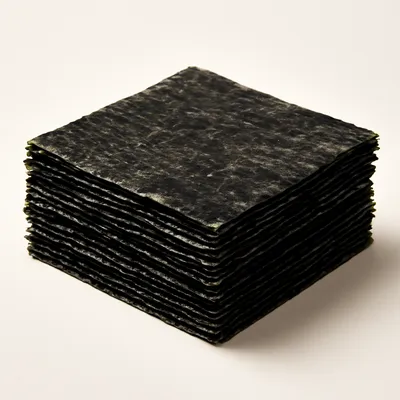
Cut sheets of dried seaweed into narrow strips.
- 315 min
Roll small portions of plain rice in the seaweed into thin finger rolls.
- 412 min
Clean and parboil squid, then cut it into bite-size pieces.
Watch outPull the squid the moment it turns opaque and curls, seconds only — overcooked it goes rubbery and tough to chew.
- 55 min
Toss the squid with gochugaru, garlic, fish sauce and sesame oil.
- 610 min
Cube Korean radish and quick-pickle it with chili, vinegar and sugar.
- 760 min
Let the squid and radish sides sit so the flavors meld.
Watch outLet the squid and radish sit at least half an hour — the chili and garlic need time to soak in, tasted right away it's flat.
- 83 min
Plate the rolls with the spicy squid and radish kimchi alongside.


