
Chewy cinnamon-flavored sweets, a quintessential Kyoto treat.


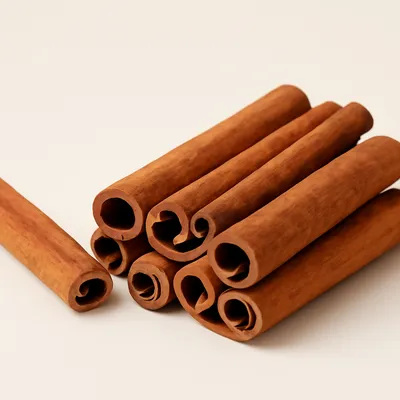

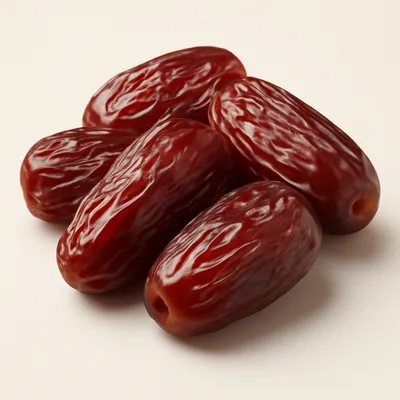

The yaki (baked) form dates to around 1689 in Kyoto, said to be named after Edo-period koto musician Yatsuhashi Kengyō — the curved shape mimics a koto bridge. The nama (unbaked) version is a 1960s invention by the confectioner Shogoin Yatsuhashi Sohonten, made to ride the Kyoto tourism boom; it now far outsells the original baked form among visitors.
Baked form dates to about 1689 in Kyoto, named for koto musician Yatsuhashi Kengyō — the curve mimics a koto bridge. The unbaked nama version is a 1960s invention by Shogoin Yatsuhashi Sohonten that now far outsells the original among tourists.
Two forms sold side by side in Kyoto: nama (raw) yatsuhashi, soft triangles of cinnamon-scented rice-flour dough folded around a dab of red-bean paste; and yaki (baked) yatsuhashi, thin crisp curved cookies that snap. The raw version is chewy, faintly sticky, smells of cinnamon. Sold everywhere within a kilometer of Kiyomizu-dera, usually in pastel boxes as omiyage (souvenir gift).
The dough is the technical part — glutinous and non-glutinous rice flours blended, mixed with sugar and water, then steamed (not baked) for the nama version. Cinnamon is added late so it stays bright. The thinness of the yaki form depends on rolling and cutting before a slow second bake; too thick and it goes hard rather than crisp. Most boxes you'll see in shops are 3–7 days fresh, no preservative.
Variations
Shogoin Yatsuhashi Sohonten claims the nama invention; Izutsu Yatsuhashi runs the older baked-only line; modern flavors include matcha, strawberry, chocolate; seasonal cherry-blossom and chestnut versions sell only in spring and autumn.
On the Palate
Where Yatsuhashi sits in the Japanese flavor cloud
Ingredients

How it's made
5 steps · 1 hour 30 min
- 17 min
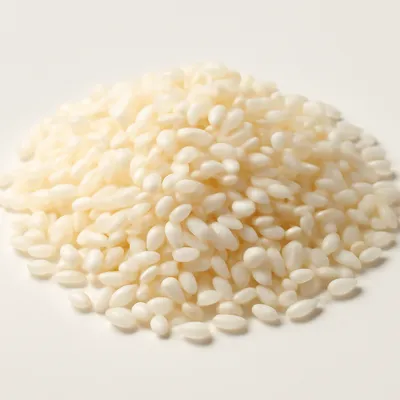
Mix glutinous rice flour with water and knead into a dough.
Watch outKnead until the rice dough is smooth and springs back — too dry and the sheets crack when rolled, too wet and they won't hold a clean cut.
- 25 min
Add sugar and ground cinnamon into the dough.
Watch outFold the cinnamon in at the end, off the heat — worked in early or over warmth it goes dull, and its bright fragrance is the whole signature.
- 34 min
Roll out dough into thin sheets and cut into rectangles.
Watch outRoll the sheets truly thin before cutting — for the baked version, too thick bakes hard instead of crisp.
- 45 min
Wrap red bean paste in each rectangle, sealing edges.
- 525 min
Optionally, bake until slightly crisp or serve raw.
Archive tool suggestions — not reviewed
These legacy suggestions have not been evidence-reviewed and are not presented as required tools.


