
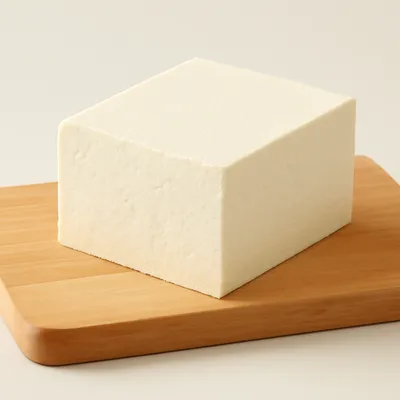


Dengaku itself dates to the Muromachi period (14th–16th century) — the name comes from 田楽, a rice-planting folk dance whose performers stood on stilts that resembled tofu skewered upright. The Kyoto vegetable version emerged from the city's distinct heirloom produce (kyo-yasai, 京野菜) — heirloom varieties traditionally associated with Kyoto, promoted since 1989 under the prefecture's "brand Kyo-yasai" certification scheme (a marketing/quality-standard label, not a legal protection on the varieties themselves).
Dengaku dates to the Muromachi period (14th–16th c.) — the name is from 田楽, a rice-planting folk dance whose stilt-walkers resembled tofu skewered upright. Saikyo white miso (1–4 weeks aged, double the rice koji) is what makes the glaze sweet rather than salty.
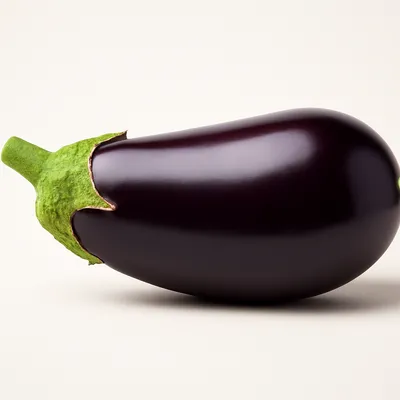
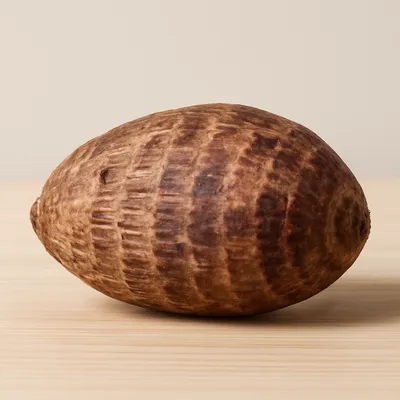
Wedges of seasonal Kyoto vegetables — kamo nasu (round purple eggplant), shogoin daikon, ebi-imo taro — grilled or simmered, then crowned with a thick brushstroke of sweet white miso glaze that's been cooked down with mirin, sugar, and egg yolk. The miso is glossy, almost custardy. A sesame seed sprinkle goes on top. Eaten warm, often as one course in a kaiseki sequence.
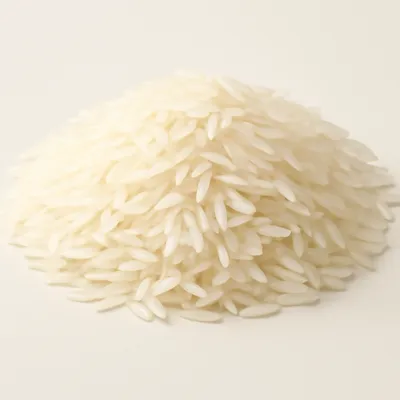
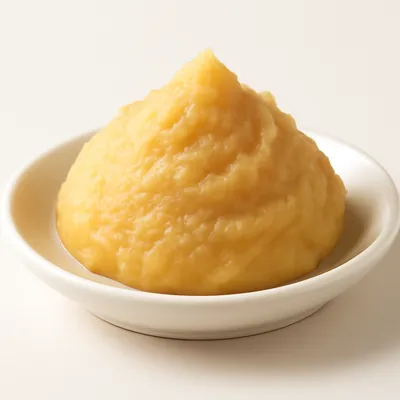
The miso glaze (nerimiso) is the work — white saikyo miso whisked with egg yolks, sugar and mirin over low heat for 15+ minutes until it tightens; under-cooked it weeps off the vegetable, over-cooked it goes grainy. Saikyo miso specifically is needed: it's a Kyoto-style white miso aged short (1–4 weeks) with double the rice koji of regular miso, which is why the glaze tastes sweet rather than salty.
Variations
Kamo nasu (round purple eggplant) is the canonical Kyoto vegetable; shogoin daikon is the winter pick; ebi-imo (shrimp-shaped taro) is autumn; chefs at Hyotei alternate Saikyo nerimiso with red akamiso for two-stripe presentation.
On the Palate
Where Kyo Yasai Dengaku sits in the Japanese flavor cloud
Ingredients





How it's made
5 steps · 30 min
- 14 min
Slice eggplant, daikon, and tofu into even pieces.
Watch outCut the eggplant, daikon and tofu to an even thickness so they grill at the same pace — mixed sizes leave some pieces raw while others soften to mush.
- 23 min
Mix white miso, sake, mirin, and sugar into a paste.
Watch outWhisk the miso paste over low heat a good while until it tightens and turns glossy — under-done it weeps off the vegetable, over-done it turns grainy.
- 32 min
Brush the paste onto the vegetable and tofu pieces.
- 48 min
Grill until the paste caramelizes and vegetables are tender.
Watch outGrill only until the miso glaze bubbles and takes on brown caramel spots and the aroma sweetens — leave it and the sugary miso tips from caramel to burnt.
- 52 min
Sprinkle with sansho pepper before serving.
Archive tool suggestions — not reviewed
These legacy suggestions have not been evidence-reviewed and are not presented as required tools.